This article was written with AI assistance and reviewed for accuracy where possible; details about unreleased or rumored products may change.
Finding the perfect foundation shade is arguably the most daunting task in any beauty routine. We’ve all been there: standing under the harsh fluorescent lights of a department store, swatching shades on our wrists, only to get home and realize the color looks orange, gray, or simply like a mask. The quest for that seamless, “your skin but better” finish is achievable, but it requires a bit of science and a lot of patience. At MINIDROP, we believe that your makeup should enhance your natural beauty, not hide it. Whether you are browsing our latest Skincare arrivals to prep your base or searching for that perfect liquid formula, understanding your skin is the first step to a flawless application.
Understanding the Difference Between Skin Tone and Undertone
Before you even look at a bottle, you need to understand the distinction between skin tone and undertone. Your skin tone is the surface color—often categorized as fair, light, medium, tan, or deep—and it can change depending on the season, sun exposure, or your health. Your undertone, however, is the permanent hue that radiates from underneath your skin. It is what makes two people with the same surface shade look completely different when wearing the same foundation. Most professional makeup artists classify undertones into three main categories: Cool, Warm, and Neutral.
How to Identify Your Undertone
The easiest way to decode your undertone is the “Vein Test.” Look at the veins on the inside of your wrist in natural daylight. If they appear blue or purple, you likely have cool undertones. If your veins look greenish or olive, you are likely warm. If you cannot quite tell—or if your veins appear to be a mix of blue and green—you likely fall into the neutral category. Another helpful trick is the jewelry test. If you look best in silver, cool tones are your friend. If gold makes your skin glow, you are definitely warm. If both metals look great on you, you are a neutral queen.
The Seasonal Shift: Why Your Shade Changes
It is a common misconception that you should stick to one foundation shade year-round. Think about it: your skin tone changes as you get more sun in the summer and lose your tan in the winter. Many beauty enthusiasts find that keeping two foundation shades—one for the summer months and one for the winter—is the smartest way to ensure a seamless match. You can even mix them together during the transitional months of spring and autumn to customize your perfect current shade. If you are shopping our Beauty categories, consider picking up a versatile, buildable formula that allows for easy color matching throughout the seasons.
The Importance of Lighting and Texture
Never, ever test foundation shades under store lighting alone. Fluorescent lights are notorious for distorting colors, often making them look cooler or ashier than they actually are. Always try to swatch a product in natural light. Step outside or stand near a window to see how the pigment interacts with your natural skin texture. Furthermore, consider the finish. If you have oily skin, a matte finish might prevent that midday shine, but be careful—if your foundation is too matte, it can look chalky. If you have dry skin, a dewy or satin finish is usually more flattering. We always recommend pairing your foundation with a high-quality primer from our Skincare collection to ensure the product sits perfectly on your skin all day long.
Swatching Like a Pro
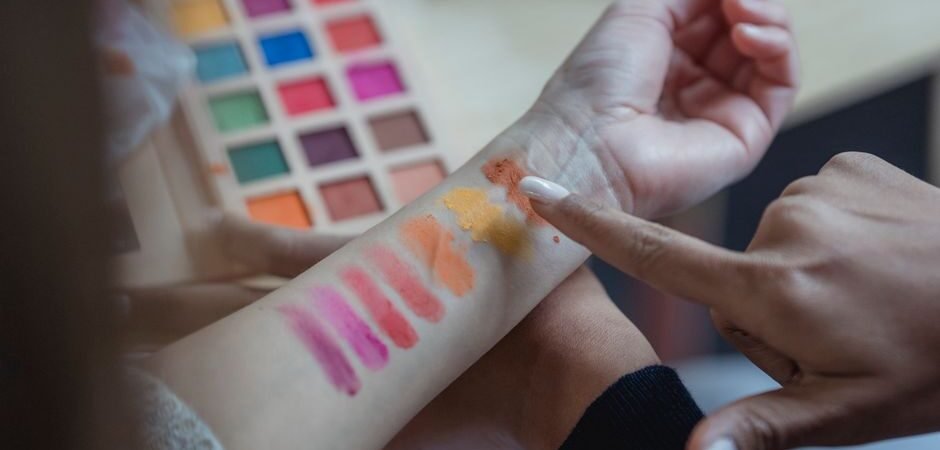
The most common mistake people make is testing foundation on their hand or wrist. Your hands are almost always a different shade than your face due to sun exposure and lack of melanin density. To get a true match, you should swatch three shades that look closest to your skin tone along your jawline. The shade that disappears into your skin—not the one that looks the brightest or the most pigmented—is your winner. Let the swatches sit for at least ten minutes. Foundation often oxidizes, meaning the color can darken or shift slightly once it reacts with the oils on your skin and the oxygen in the air.
Choosing the Right Formula for Your Lifestyle
Once you have the color right, the formula is the next hurdle. Are you looking for a light-coverage BB cream for a quick morning routine, or a full-coverage long-wear foundation for a big event? If you are a busy parent or always on the go, a cushion compact might be your best friend. If you enjoy experimenting with different makeup looks, you might prefer a buildable liquid foundation. Remember that foundation is meant to even out your complexion, not necessarily to cover every single imperfection. For blemishes or dark circles, a good concealer—applied after your foundation—is the real secret weapon. When you shop for tools, don’t forget that a damp beauty sponge or a high-quality brush can change the entire performance of your foundation.
The Role of Skincare in Foundation Wear
No matter how perfect your shade match is, it will never look right on dehydrated or poorly prepped skin. Your foundation is only as good as the canvas underneath it. Incorporating a consistent skincare routine—cleansing, exfoliating, and moisturizing—is essential. If your skin is flaky, the foundation will cling to those patches. If your skin is dehydrated, it will absorb the moisture from the foundation, causing it to crack or settle into fine lines. Browse our Skincare selection to find hydrating serums and moisturizers that create the perfect base for your makeup application. A hydrated face ensures that your foundation stays true to its color and finish from morning to night.
Final Thoughts on Building Your Beauty Kit
Finding your foundation match is a journey, not a destination. As your skin changes with age, diet, and environment, your preferences might change too. Don’t be afraid to try new brands or different finishes as you grow. At MINIDROP, we are committed to providing you with the variety you need to express your unique style. Whether you are into a minimalist aesthetic or love a full-glam look, the right shade is the foundation—pun intended—of your entire look. Take these tips, grab a mirror, and start swatching. Your perfect match is out there, and once you find it, it will completely transform your confidence and your daily routine.
Navigating Foundation Finishes and Skin Texture
Beyond the color match, the finish of your foundation acts as the final lens through which your skin is viewed. It is important to remember that finish is not just about preference; it is often about how the product interacts with your specific skin texture. For those with textured skin or visible pores, high-shimmer or overly dewy formulas can sometimes unintentionally highlight unevenness. Conversely, formulas with a soft-focus or satin finish often provide a more blurred, airbrushed effect. When browsing our marketplace, look for product descriptions that specify “luminous,” “natural,” or “matte” to gauge how the formula will behave once it settles into your pores throughout the day.
If you find that a product you love is slightly too matte or too dry for your current skin needs, consider the “mixer” technique. Many beauty enthusiasts incorporate a drop of facial oil or a hydrating serum into their foundation to customize the finish to be more dewy and skin-like. This is a common practice for adjusting long-wear foundations that might feel too heavy for everyday use. Before committing to a full-sized bottle, we suggest starting with travel-sized options or samples to see how the formula performs over an eight-hour period. Testing the longevity of a product is just as vital as testing the shade, as the best match in the world won’t be effective if it separates or breaks down before your day is through.
The Impact of Application Tools on Your Final Result
Even the most expensive, perfectly matched foundation can look lackluster if applied with the wrong tools. The method of application directly influences how much pigment is deposited and how well the product melds with your natural skin texture. For those seeking a sheer, natural finish that mimics bare skin, a damp beauty sponge is often the preferred choice. The moisture in the sponge prevents the foundation from sitting on top of the skin, instead pressing the pigment into the pores for a seamless, streak-free look.
Conversely, if you require more coverage or are working with a thicker, cream-based formula, a dense synthetic buffing brush is typically more effective. These brushes allow you to work the product into the skin in circular motions, which helps to cover redness or uneven patches without requiring a heavy hand. At MINIDROP, we often suggest experimenting with different tools based on the specific day—a brush for your full-glam moments and a sponge for a quick, hydrated application on the go.
Troubleshooting Oxidation and Discoloration
One of the most frustrating aspects of finding a new foundation is discovering that it looks perfect in the bottle but changes color after a few hours of wear. This phenomenon, known as oxidation, occurs when the pigments in the foundation react with the pH balance of your skin, the natural oils on your face, or even the chemical components of your moisturizer or sunscreen. If you find that your foundation consistently turns orange or darkens throughout the day, it may not necessarily be a bad shade match, but rather a chemical reaction.
To combat this, try switching up your base products. If you are using a heavy oil-based moisturizer, try a water-based primer to create a barrier between your skin and the foundation. Additionally, some users find success by setting their liquid foundation with a translucent setting powder, which can help lock the product in place and prevent the oils from your skin from interacting with the foundation’s pigment. If you are currently shopping for a new routine, consider looking for products that mention “stay-true” or “oxidation-resistant” formulas in their descriptions, as these are specifically engineered to maintain their intended color regardless of your skin’s natural chemistry.
Understanding the Impact of SPF and Flash Photography
A common hurdle for many is the “white cast” or flashback effect that appears in photos. This often happens because many high-SPF foundations contain physical sunscreens like zinc oxide or titanium dioxide, which are designed to reflect UV rays but can also reflect camera flash. If you are preparing for a wedding, a photoshoot, or any event where you know flash photography will be involved, you might want to opt for a foundation without physical SPF or one that is specifically formulated to be “photo-friendly.” You can always get your sun protection by applying a dedicated, non-flashback sunscreen underneath your makeup, letting it set for a few minutes before applying your base.
The Role of Undertone Correctors
Sometimes, you might find a foundation that is a perfect match in terms of depth, but it still feels slightly “off” because your skin has a specific secondary tone, such as a subtle olive or a slight peachiness that traditional warm/cool categories don’t quite capture. This is where color correctors or foundation pigments come in. Adding a tiny, pin-head-sized amount of a green pigment can neutralize excessive redness, while a drop of blue or purple pigment can sometimes correct a foundation that appears too orange on your skin. These adjusters are excellent tools to have in your kit, as they allow you to salvage a foundation that is nearly perfect but needs that final professional tweak to achieve a truly seamless blend.