This article was written with AI assistance and reviewed for accuracy where possible; details about unreleased or rumored products may change.
We all love the dream of a sprawling, chef-grade kitchen with a massive island and walk-in pantry. However, for many of us living in urban apartments or charming older homes, the reality is a compact, often cluttered kitchen that feels more like a storage locker than a culinary sanctuary. The good news? You do not need to tear down walls, replace cabinets, or blow your budget on a full-scale renovation to reclaim your space. With a bit of strategy and the right organizational tools, you can turn a tiny kitchen into a highly efficient, aesthetic, and functional room.
Audit Your Inventory: The Art of the Purge
Before you purchase a single storage bin or shelf, the first step is always an honest assessment of your kitchen inventory. We are often guilty of holding onto gadgets we use once a year, mismatched containers with missing lids, and multiples of the same utensil. If you haven’t used that avocado slicer or the neon-colored silicone whisk since the last decade, it is time to let them go. A small kitchen simply does not have the square footage for “just in case” items. Donate what is still in good condition, recycle the broken, and clear the decks.
Once your counters are clear of unnecessary clutter, group your items by category: baking, coffee, meal prep, and serving. This allows you to see exactly how much space each category requires. You will likely find that you have more space than you thought once the non-essential items are removed. This process isn’t just about clearing physical space; it’s about clearing your mental space so you can actually enjoy the act of cooking again.
Mastering Vertical Storage
When you run out of counter space, the only way to go is up. Most kitchens feature dead space above the cabinets or on the walls that goes entirely unused. Installing simple floating shelves can instantly increase your storage footprint. These are perfect for items you reach for daily, like your favorite mugs, everyday plates, or small canisters of dry ingredients. By moving these essentials to the wall, you clear up valuable real estate in your lower cabinets.
Don’t forget the inside of your cabinet doors. This is one of the most underutilized zones in the home. Adhesive hooks can hold measuring spoons, oven mitts, or even small pot lids. For those interested in accessorizing, you might consider how some of your favorite pieces—like a touch of gold or silver Jewelry—can be stored in small, chic hanging organizers that match the aesthetic of your kitchen. Utilizing vertical space keeps your counters clear, which is the secret to making any small room feel significantly larger.
The Power of Drawer Dividers and Cabinet Inserts
The “junk drawer” is a universal kitchen phenomenon, but it doesn’t have to be. In a small kitchen, drawers are precious commodities. If you just toss utensils in, you lose space to tangles and overlapping items. Drawer dividers are a total game-changer. They force you to assign a “home” to every single item, from your vegetable peelers to your wine openers. When everything has a designated slot, you stop wasting time digging through clutter.
Inside your cabinets, look for stackable shelf inserts. These metal or plastic risers allow you to double the storage in a single cupboard by creating a second “floor” for your dishes. They are perfect for stacking bowls or small plates. If you have deep cabinets where items get lost in the back, pull-out wire baskets are your best friend. They bring the contents of the cabinet to you, ensuring that you aren’t buying duplicates of spices or oils because you couldn’t see what was hiding behind the front row.
Optimizing the Sink and Counter Zones
The area around your sink is often a magnet for chaos. Between sponges, soaps, and brushes, it can look messy very quickly. Invest in a sleek over-the-sink caddy or a stylish soap dispenser set that keeps all your cleaning essentials contained in one place. By grouping these items, you reclaim the visual space of the sink deck, making the entire kitchen feel more polished.
If your counter is truly nonexistent, consider a rolling cart. A narrow, multi-tiered rolling cart can act as a mobile kitchen island. You can use it to store produce, linens, or even as a dedicated coffee station. The beauty of the cart is that it can be tucked into a corner when not in use and pulled out right next to your stove when you need an extra surface for chopping or staging ingredients. It is a flexible, affordable solution that provides the utility of a permanent island without the hefty price tag.
The Beauty of Hidden Storage and Uniformity
Visual noise is the enemy of a small space. When your counters are covered in colorful packaging, mismatched boxes, and varying sizes of bags, the room automatically feels cramped. Decanting your dry goods—like pasta, flour, sugar, and grains—into uniform glass or clear plastic containers creates a sense of calm and order. Not only does this look beautiful, but it also allows you to see exactly when you are running low on ingredients, preventing those last-minute grocery store runs.
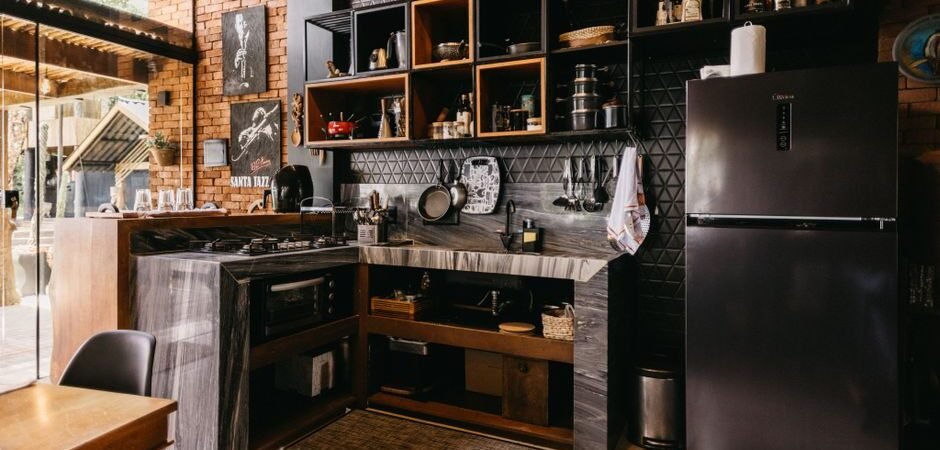
Try to stick to a cohesive color palette for your kitchen accessories. If your kitchen has a modern, industrial feel, look for matte black or stainless steel containers. If you prefer a warmer, farmhouse vibe, wooden or ceramic canisters work beautifully. By keeping the visual elements consistent, you trick the eye into seeing a larger, more intentional space. This philosophy applies to everything from your linens to your dishware; a set of uniform, neutral-toned towels can make a kitchen look far more expensive than a collection of mismatched rags.
Multi-Functional Furniture and Accessories
In a small kitchen, every item should ideally pull double duty. Can your cutting board double as a serving platter? Can your microwave stand also house a small spice rack underneath? When selecting new kitchen items, always consider how they contribute to your storage goals. For example, when shopping for new items, you might find that some products—like small, decorative trays from a Home or Lifestyle category—can serve a dual purpose: holding your most-used spices on the counter while acting as a beautiful decor piece.
If you have a small dining nook, choose a table with hidden storage or chairs that can tuck completely underneath. If you are someone who enjoys a touch of personal flair, you might consider how even your daily wardrobe accessories, like a favorite pair of Sandals or a sturdy bag, can be managed with clever hooks near the kitchen entryway, keeping your “lifestyle” items organized so they don’t migrate into your cooking space. The more your furniture works for you, the less space you need for separate storage units.
Maintaining the Order: The Daily Reset
Finally, the most important part of organizing a small kitchen isn’t the initial setup—it’s the maintenance. A small kitchen will spiral into chaos in a matter of hours if you are not diligent about the “reset.” Make it a habit to empty the dishwasher immediately, wipe down surfaces after each meal, and put everything back in its designated home. Because there is less room for error, even a few stray items can make a small kitchen feel completely overwhelmed.
Think of your kitchen as a boutique workspace. You wouldn’t leave tools scattered around a desk at the end of the day, so treat your kitchen the same way. By spending just five minutes each night putting things back in their place, you ensure that you wake up to a clean, stress-free space every morning. Small kitchens can be just as functional, beautiful, and efficient as massive ones; they just require a bit more intention. By embracing these vertical storage solutions, decluttering habits, and smart organizational tools, you can transform your kitchen into the heart of your home, regardless of how many square feet you have to work with.
Remember, the goal of organization isn’t perfection; it’s utility. It’s about creating a space where you can prepare food comfortably and enjoy the time you spend in your home. Whether you are a master chef or someone who just enjoys a good cup of coffee in the morning, these simple, non-renovation strategies will help you fall in love with your kitchen all over again. Happy organizing!
Leveraging Lighting and Reflective Elements
Beyond physical storage solutions, the way you use light and surface textures can drastically alter the perception of your kitchen’s scale. In a compact room, shadows can make corners feel smaller and more enclosed. Consider installing under-cabinet LED light strips; these provide direct illumination to your workspace while highlighting the negative space between your countertops and cabinets, which helps the kitchen feel more open and airier. By brightening these often-neglected areas, you create a sense of depth that makes the entire room appear larger.
Furthermore, incorporating reflective surfaces can help bounce light around the room. If your kitchen feels a bit like a cave, consider introducing glass-fronted cabinet inserts or even a small, strategically placed mirror on a wall away from the stove. These elements draw the eye outward rather than stopping it at the wall, creating an illusion of additional room. While you don’t need a full-scale renovation to achieve this, simple additions like reflective canisters or a high-gloss backsplash tile can go a long way in making a cramped, dark kitchen feel significantly more luminous and expansive.
Streamlining Your Workflow with Zone-Based Layouts
Once you have maximized your physical storage and lighting, look at how you move through the room. Even in the smallest floor plans, you can implement a “zone” system that prevents cross-traffic and frustration. Designate your coffee station, your prep area, and your cooking zone so that the items you need for each task are kept within arm’s reach of their specific workspace. For instance, keep your coffee beans, filters, and mugs clustered near the coffee maker, rather than spread across different cabinets. By organizing your kitchen around actions rather than just item types, you reduce the time spent walking back and forth, which makes a tiny kitchen feel much more spacious and efficient.
If you find that your layout is still fighting against you, consider the “gravity” of your most-used items. We often store heavy items on high shelves, which is not only difficult to manage but also feels cumbersome in tight quarters. Move your heaviest appliances—like your stand mixer or blender—to the lowest shelves or, if you have a cart, right on the prep surface. When your most frequently used tools are easily accessible, you avoid the “clutter creep” that happens when you have to dig items out of the back of a cabinet every time you want to cook a meal. This intentional placement keeps your counters clear of idle gadgets and ensures your most valuable tools are ready the moment inspiration strikes.
Embracing Minimalist Consumables
Beyond the physical tools and appliances, the sheer volume of grocery items can quickly overwhelm a small kitchen’s capacity. One of the most effective habits you can adopt is transitioning toward a “just-in-time” approach to stocking your pantry. In large kitchens, bulk buying is a convenience, but in a compact space, it often leads to overflowing shelves and expired goods hidden in the back. By limiting your supply of dry goods to what you anticipate using within a two-week period, you free up the precious cabinet space usually occupied by surplus flour, extra boxes of cereal, or bulk canisters that see little daily action.
This minimalist approach to groceries also encourages you to be more creative with your cooking. When you aren’t fighting through a sea of backup supplies, you can more easily identify what you actually have on hand, leading to less food waste and a more streamlined shopping experience. If you do find you need to store bulk items, look for dead space above your upper cabinets or even the top of your refrigerator. Using uniform, lidded baskets in these high-up areas can turn an awkward, dusty gap into a dedicated “overflow” zone that keeps your main cabinets clear for the items you reach for every single day.
The Psychological Shift of a Curated Space
Finally, remember that the goal of organizing a small kitchen is to curate an environment that supports your lifestyle rather than one that demands constant maintenance. It is easy to view every square inch as a storage opportunity, but sometimes the most “organized” kitchen is one with a little bit of intentional breathing room. Don’t feel pressured to fill every wall with hooks or every shelf with risers if it makes the space feel visually frantic. If you have a favorite ceramic bowl or a piece of art that makes you happy, let it take up space on your counter or wall.
By keeping your essential tools tucked away in their designated zones, you earn the right to display the things that bring you joy. This balance between high-utility storage and aesthetic breathing room is what truly separates a cramped, stressful kitchen from one that feels like a boutique culinary studio. Treat your kitchen as a living, breathing space that evolves with your cooking habits, and you will find that even the smallest footprint can hold everything you need to live well.