This article was written with AI assistance and reviewed for accuracy where possible; details about unreleased or rumored products may change.
Fashion is a cyclical creature, breathing in the past and exhaling a version of the future that feels both nostalgic and refreshingly new. As we settle into the rhythm of this year, the aesthetic landscape is shifting away from the hyper-speed cycles of micro-trends toward a more intentional, curated approach to dressing. Whether you are looking to revitalize your wardrobe with a few key pieces from our Women collection or you are hunting for the perfect pair of Boots to anchor your transitional outfits, understanding the broader currents of style can help you shop smarter and feel more confident in your choices.
The Quiet Luxury Evolution
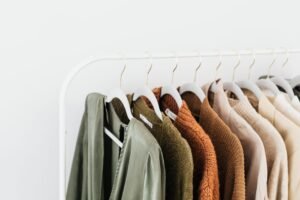
If there is one trend that has staying power, it is the move toward minimalism—often referred to as ‘quiet luxury.’ This isn’t just about wearing beige; it is about prioritizing fabric quality, impeccable tailoring, and a silhouette that speaks for itself without needing a loud logo. We are seeing a major shift toward investment pieces that serve as the foundation of a capsule wardrobe. Think high-quality T-Shirts made from organic cotton, perfectly cut blazers, and trousers that drape elegantly. This trend encourages us to buy less but buy better, focusing on the longevity of our garments rather than the fleeting excitement of a seasonal haul. When building this aesthetic, look for neutral palettes that allow for seamless mixing and matching, ensuring that your closet feels cohesive and intentional.
Utilitarian Chic and Functional Edge
On the other end of the spectrum, we are seeing a surge in utilitarian-inspired fashion. This trend finds beauty in functionality, incorporating elements like cargo pockets, drawstring waists, and durable materials that are designed for real life. It is a practical response to the desire for clothes that can keep up with a busy, multifaceted lifestyle. You might notice this in the rise of heavy-duty Boots that transition perfectly from a rainy morning commute to an evening out, or in technical fabrics that offer both breathability and style. This trend is particularly popular in the Activewear category, where the line between gym attire and everyday streetwear continues to blur, allowing for a seamless transition from a workout session to a coffee date.
The Return of Maximalist Accessories
While clothing silhouettes are leaning toward the understated, accessories are doing the exact opposite. This year, we are seeing a massive resurgence in statement-making Hair Accessories. From oversized silk bows to architectural clips and vintage-inspired headbands, the goal is to add a touch of personality to even the most basic outfit. Accessories are the easiest way to experiment with trends without having to overhaul your entire closet. A simple outfit consisting of jeans and a white top can be completely transformed by the right pair of earrings or a bold bag. This is the beauty of the accessory market—it allows for self-expression, playfulness, and a little bit of drama, even when the rest of your ensemble is strictly ‘quiet luxury.’
Sustainable Style and Conscious Consumption
Sustainability is no longer a ‘bonus’ in the fashion industry; it is becoming a baseline expectation for the modern consumer. More than ever, people are asking questions about the lifecycle of their clothes. This year, we are seeing a massive interest in upcycling and the circular economy. People are looking for ways to refresh their existing wardrobes through small updates, like swapping out buttons or tailoring vintage finds, rather than constantly purchasing new items. When shopping, keep an eye out for brands that prioritize ethical manufacturing and transparent supply chains. It is about understanding that our purchasing power is a vote for the kind of world we want to live in. Investing in items that are built to last is the ultimate form of sustainable fashion.
The Tech-Fashion Convergence
We are living in an era where technology and fashion are more intertwined than ever. While we wait to see how rumored wearable tech advancements—like the reportedly upcoming iterations of smart glasses or augmented reality-integrated accessories—might eventually shift the market, we are already seeing the influence of tech in our daily fashion choices. Smart fabrics that regulate temperature or repel moisture are becoming more accessible to the average consumer. Furthermore, the way we shop has been transformed by digital tools that allow us to visualize outfits before we purchase them. As we look ahead, we expect that the integration of tech will only deepen, making our clothing not just a statement of style, but a functional tool that enhances our daily efficiency and comfort.
Refining Your Personal Style
Ultimately, the best trend to follow is the one that makes you feel like the most authentic version of yourself. Trends should serve as inspiration, not as a rigid set of rules. Use these shifts in the fashion landscape to identify what resonates with your lifestyle and your personal aesthetic. If you are a fan of structure and clean lines, lean into the quiet luxury movement. If you crave comfort and practicality, the utilitarian trend will likely be your best friend. Remember that fashion is meant to be a form of self-expression, not a source of stress. Whether you are browsing for new Fragrance to ground your look, picking up tools to organize your closet, or simply looking for the next staple piece to add to your collection, focus on pieces that bring you joy and utility in equal measure.
Curating for the Long Haul
As you navigate the trends of this year, try to view your shopping habits through a lens of longevity. Ask yourself: Will I still love this piece in two years? Does it fit into my current lifestyle, or is it a fantasy purchase for a life I do not lead? By curating your wardrobe with these questions in mind, you can avoid the trap of trend fatigue. Focus on building a collection that feels uniquely yours, mixing high-end classics with affordable, trendy accessories that allow you to pivot without breaking the bank. Fashion is a journey, and the most stylish people are those who remain true to themselves while keeping an open mind to the evolving world of design. Keep experimenting, keep refining, and most importantly, keep enjoying the process of getting dressed every single day.
The Rise of Texture and Tactile Elements
While color palettes may remain muted in many current collections, designers are increasingly turning to texture to provide visual depth and sensory interest. We are observing a departure from flat, synthetic surfaces in favor of materials that invite touch and movement. From chunky, hand-knit sweaters that offer warmth and weight to the resurgence of corduroy, suede, and elevated linens, the focus is on how a fabric feels against the skin and how it catches the light. Incorporating varied textures is a practical way to add sophistication to an outfit without needing bold patterns or clashing colors; a simple monochrome ensemble becomes instantly more compelling when you layer a ribbed knit over a silk slip skirt.
For those looking to integrate this into their own rotations, start by examining the composition of the items already in your closet. Introducing a single tactile piece—such as a textured leather bag or a piece of knitwear with a distinct weave—can serve as an anchor for more streamlined basics. As you browse our current selections on MINIDROP, look for garments that emphasize material integrity. Choosing items that offer a tactile experience not only keeps your style current with modern design sensibilities but often ensures the garment has a higher level of durability, as quality-focused brands tend to prioritize the longevity of these complex, high-touch fabrics.
The Versatility of Trans-Seasonal Layering
The traditional concept of seasonal wardrobes is rapidly losing relevance as weather patterns become more unpredictable and our lifestyles become increasingly mobile. We are observing a significant shift toward “trans-seasonal” dressing, where the goal is to create a core foundation that can be adapted to any temperature through strategic layering. Rather than packing away your entire closet every few months, the modern approach involves keeping versatile staples—such as lightweight trench coats, breathable cotton knits, and well-structured vests—at the forefront of your rotation year-round. This method not only simplifies your morning routine but also maximizes the cost-per-wear value of every item you own.
To master the art of the transitional layer, focus on the weight and breathability of the fabrics you choose. A high-quality silk or modal base layer can provide surprising warmth under a heavy blazer during the winter, while remaining cool and comfortable enough to stand alone on a mild spring day. When browsing for new additions to your wardrobe, consider how a piece functions when paired with others you already possess. A sleeveless sweater or a tailored gilet, for example, offers an excellent way to add dimension to your silhouette without the bulk of a full-sleeved coat, making it a perfect tool for navigating fluctuating office temperatures or changing outdoor conditions.
The Influence of Heritage and Archival Revival
While the fashion industry often chases the “new,” there is a growing appreciation for the narrative weight of heritage designs. We are seeing a significant trend where contemporary collections draw deep inspiration from archival silhouettes, updated with modern cuts and sustainable production methods. This isn’t merely about vintage aesthetic mimicry; it is about honoring the craftsmanship of previous eras—such as the sharp tailoring of the mid-century or the relaxed, fluid lines of the late nineties—and translating them for a modern context. By selecting pieces that draw from these timeless design languages, you invest in items that possess a sense of history and permanence, effectively shielding your wardrobe from the rapid obsolescence often associated with hyper-trendy items.
The Intersection of Comfort and Professionalism
The definition of “office-appropriate” has undergone a permanent shift, leaning heavily into the realm of elevated comfort. As many professionals continue to balance remote work with in-office days, the rigid sartorial codes of the past are being replaced by what many call “soft tailoring.” This involves the use of jersey, stretch-blends, and relaxed wools to create pieces that maintain a polished, professional silhouette while offering the ease of loungewear. When shopping for work-ready attire on MINIDROP, keep an eye out for trousers with elasticized back waistbands, unlined blazers that move with your body, and footwear that prioritizes ergonomic support without sacrificing aesthetic appeal. This transition allows for a wardrobe that is not only functional for long hours at a desk but also comfortable enough for the commute or an impromptu post-work dinner.