





























































This article was written with AI assistance and reviewed for accuracy where possible; details about unreleased or rumored products may change.
We have all been there: standing in front of a closet overflowing with clothes while lamenting the classic refrain, ‘I have nothing to wear.’ The irony is that the most stylish people in the room aren’t necessarily the ones with the largest budgets. Instead, they are the ones who have mastered the art of curation. Building a wardrobe that feels high-end, cohesive, and effortlessly stylish is less about the price tag on the label and more about the strategy behind the purchase. When you stop chasing every fleeting micro-trend and start focusing on quality, fit, and versatility, your style quotient rises, and your spending habits naturally recalibrate.
The Foundation: Editing Your Existing Inventory
Before you spend a single cent, the most important step in achieving a stylish wardrobe is the deep edit. You cannot build a beautiful house on a cluttered foundation. Take an afternoon to pull everything out of your closet. Be ruthless. If a garment doesn’t fit your body exactly as it is today, if it is stained, or if you haven’t reached for it in over a year, it needs to go. This isn’t just about cleaning; it’s about clarity. By seeing exactly what you own—your favorite pair of jeans, that reliable white shirt, or those essential basic tanks—you identify the ‘holes’ in your collection. Often, we overspend because we keep rebuying items we already have but can’t find, or we buy pieces that don’t match anything else we own. Once you clear the noise, you can see the gaps that actually need filling.
Mastering the ‘High-Low’ Styling Formula
The secret weapon of every fashion editor and stylist is the high-low mix. This involves pairing accessible, affordable pieces—like a simple t-shirt or comfortable basics—with one or two ‘hero’ items. For instance, pairing a pair of well-fitted, budget-friendly jeans with a high-quality leather belt or a structured blazer instantly elevates the entire look. The goal is to avoid looking like you are wearing a head-to-toe ‘costume’ of one specific brand. Instead, mix textures and price points to create depth. You might pair a pair of trendy, affordable sneakers with a classic, well-cut trouser. This contrast makes an outfit feel curated rather than manufactured. Remember, style is about the silhouette and the way you carry yourself, not the exclusivity of the boutique.
The Power of Accessories
Never underestimate the transformative power of accessories. You can wear the exact same outfit two days in a row, and by changing your shoes, your bag, and your jewelry, you can make it feel entirely new. Accessories are the easiest, most cost-effective way to update a look without buying a whole new outfit. A simple gold-tone chain, a set of minimalist hair accessories, or a structured crossbody bag can make a simple pair of leggings and a sweater look intentional and polished. When shopping for accessories, prioritize versatility over flash. A neutral-colored handbag will serve you for years, whereas a neon bag might only work with one specific look. Think of your accessories as the ‘punctuation’ of your outfit—they define the mood and tone of the story you are telling.
Investing in Fit and Tailoring
If there is one secret to making inexpensive clothes look expensive, it is tailoring. A ten-dollar shirt that has been taken in at the waist to perfectly suit your frame will always look better than a hundred-dollar shirt that hangs loosely or bunches in the wrong places. You don’t need a professional tailor for everything, either. Learning simple skills like hemming a pair of pants or sewing on a button can save you money and keep your clothes looking fresh. When buying pants, jeans, or dresses, pay close attention to the hem and the shoulders. If the fit is slightly off, don’t be afraid to take it to a local dry cleaner or tailor. The small investment in alterations often results in a garment that looks custom-made, which is the hallmark of true high-end style.
Building a Capsule Wardrobe
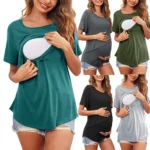
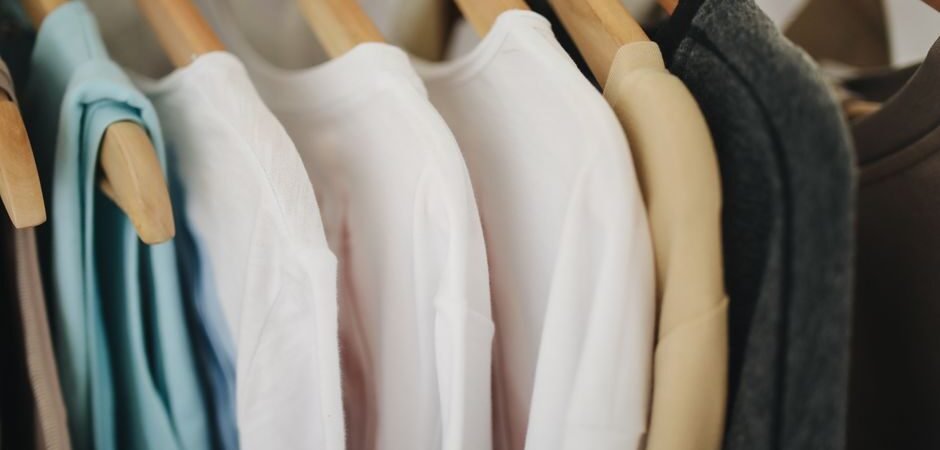
The term ‘capsule wardrobe’ has become a buzzword, but the principle remains one of the most effective ways to save money while improving style. A capsule wardrobe is essentially a collection of interchangeable pieces that all coordinate with one another. Think in terms of a color palette: neutrals like navy, black, white, cream, and camel are the easiest to mix and match. If every item in your closet works with every other item, you suddenly have dozens of outfit combinations without needing more clothing. Focus on high-quality basics—a great pair of denim, a few clean-cut shirts, and comfortable sleepwear that makes you feel put-together—and then build out your ‘seasonal’ pieces from there. By limiting the number of items you buy, you can afford to put a little more of your budget toward quality staples that will last for years instead of months.
Shopping with Intention, Not Impulse
We live in an era of constant consumption, where digital sales and ‘limited time’ offers are designed to trigger impulse buys. To build a stylish wardrobe on a budget, you must become a conscious consumer. Before making a purchase, use the ‘3-Outfit Rule’: if you can’t think of at least three different ways to style the piece with items you already own, don’t buy it. Impulse purchases are the biggest enemies of both your bank account and your style. If you see something you love, wait 48 hours. If you are still thinking about it after two days, it’s a worthy consideration. Most of the time, the urge will fade, and you will have saved yourself from buying something that would have just sat in the back of your closet collecting dust.
Prioritizing Quality Over Quantity
It sounds counterintuitive, but buying high-quality pieces—even if they cost a bit more upfront—saves money in the long run. A cheap pair of shoes that falls apart after three months will need to be replaced, meaning you end up spending more over the course of a year than you would have if you had purchased a durable pair once. When shopping, look at the fabric composition. Natural fibers like cotton, wool, linen, and silk tend to hold their shape better and look more premium than heavy synthetics. Even if you are shopping on a tight budget, look for these materials. Checking the tags and feeling the fabric before you checkout is a habit that will serve you well. By shifting your mindset from ‘how much can I get for $50’ to ‘how many wears will I get out of this $50 item,’ you become a much smarter shopper.
Caring for What You Own
Finally, the most underrated aspect of having a stylish wardrobe is maintenance. You can buy the most beautiful items in the world, but if they are wrinkled, pilled, or missing buttons, they will lose their appeal. Treat your clothing with respect. Use a garment steamer instead of a harsh iron, store your sweaters folded rather than on hangers to maintain their shape, and always follow the care instructions on the label. Keep your shoes clean and your bags stored properly. When you take care of your clothes, they last longer, look better, and hold their value. Your wardrobe is an investment in your personal brand; by maintaining it, you ensure that you always look your best, regardless of how much you spent on the individual pieces. It is the final, essential step in the process of building a wardrobe that is both budget-conscious and undeniably chic.
Navigating the Resale Market for Elevated Finds
One of the most effective ways to incorporate high-end elements into a budget-conscious wardrobe is by utilizing secondary marketplaces. Shopping secondhand is no longer just about thrift store hunting; it has become a sophisticated way to source premium brands, vintage treasures, and high-quality materials at a fraction of their original retail price. When browsing online platforms like MINIDROP, look for pieces that typically hold their value—such as wool coats, leather bags, or silk blouses. These items often age well and can add a sense of history and uniqueness to your outfit that modern, mass-produced fast fashion simply cannot replicate.
When shopping for pre-owned items, focus your search on specific materials and labels that you know have a history of durability. Check the seller’s photos for signs of wear and don’t be afraid to ask for additional details regarding the condition of the garment. By integrating these high-quality secondhand pieces with your existing wardrobe staples, you create a look that feels far more expensive than it actually is. This approach not only stretches your budget further but also allows you to experiment with brands or styles that might otherwise be out of reach, helping you refine your personal aesthetic without the financial strain of buying everything brand new.