
































































































Key Takeaways
- Enhances children's creativity and engagement.
- Reduces toy clutter and simplifies cleanup.
- Encourages exploration of various play experiences.
- Supports developmental learning through focused play.
Every parent knows the joy of watching their child immerse themselves in play. However, with a plethora of toys available today, it can often lead to overwhelming clutter and distractions. A toy rotation system not only helps in managing the toy chaos but also enhances your child’s play experience. By strategically rotating toys, you can keep playtime fresh and engaging, allowing your child to explore their creativity without the constant distraction of too many options.
Implementing a toy rotation system is straightforward and can be tailored to fit your family’s needs. Whether you’re a seasoned parent or a new one, this guide will provide you with practical steps to establish a rotating system that works for you and your child. From understanding the benefits to organizing toys effectively, let’s explore how to create a toy rotation system that maximizes playtime fun.
The concept of toy rotation is simple: you keep a selection of toys available for play while storing the rest. By rotating these toys periodically, children can rediscover their favorites and engage more deeply with their play. This method not only promotes focused play but also prevents toys from losing their novelty.
Benefits of a Toy Rotation System
Creating a toy rotation system offers several advantages that go beyond just organization. Here are some key benefits:
- Encourages Creativity: With fewer toys out at any one time, children can focus more on imaginative play. They are more likely to create stories and scenarios using the toys they have available, leading to richer play experiences.
- Reduces Clutter: A toy rotation system helps minimize the amount of visible clutter in your home. By storing away unused toys, you create a cleaner environment that is easier for children to navigate and play in.
- Facilitates Cleanup: With fewer toys out, cleanup becomes a simpler task. Children can learn to put away their toys more easily, fostering a sense of responsibility and organization.
- Promotes Learning: Rotating toys can encourage children to explore different skills and activities. For instance, one week you might focus on puzzles and building toys, while the next could be dedicated to art supplies and imaginative play.
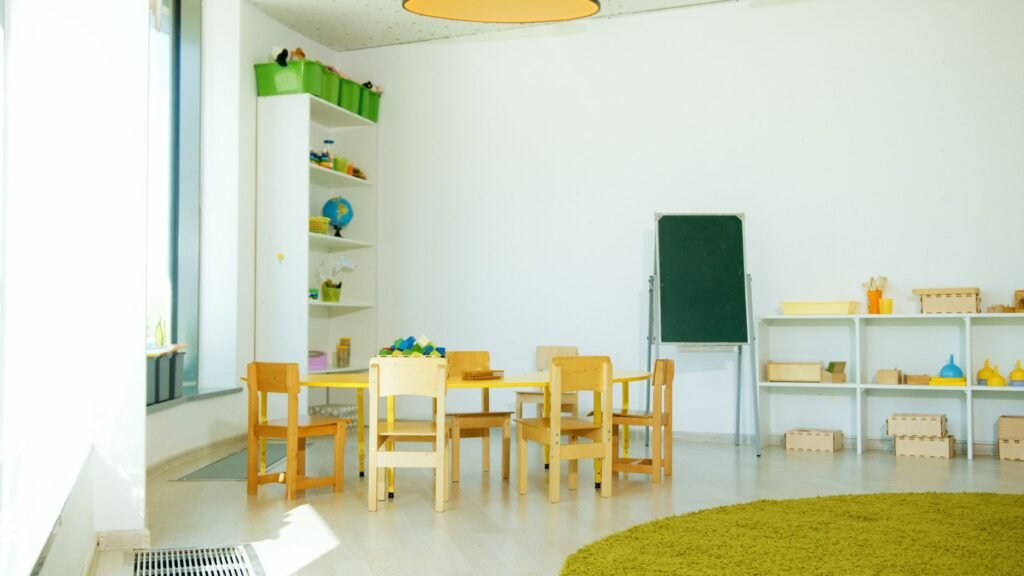
Steps to Create Your Toy Rotation System
Starting a toy rotation system is easier than you might think. Here’s a step-by-step guide to help you implement one in your home.
Step 1: Assess Your Current Toy Collection
Begin by gathering all the toys your child currently has. This includes everything from stuffed animals to building blocks. Once you have them all in one place, take a moment to assess the collection.
Consider the following questions:
- What toys does your child play with most often?
- Are there toys that have been neglected or rarely used?
- Do any toys need to be cleaned, repaired, or discarded?
By answering these questions, you can begin to curate a selection of toys that will be rotated. It’s also a good time to involve your child in the decision-making process, teaching them about organization and the value of their belongings.
Step 2: Categorize Toys
Once you’ve assessed your toy collection, the next step is to categorize the toys. This helps in determining how to rotate them effectively. Common categories might include:
- Building Toys: Blocks, LEGO sets, and construction toys.
- Creative Play: Art supplies, costumes, and puppets.
- Puzzles and Games: Board games, card games, and puzzles.
- Outdoor Toys: Balls, kites, and gardening tools.
- Imaginative Play: Dolls, action figures, and playsets.
By organizing toys into categories, you can create a more structured rotation system. You might choose to rotate toys by category every few weeks or mix and match items from different categories for variety.
Step 3: Determine a Rotation Schedule
Now that you’ve categorized your toys, it’s time to create a rotation schedule. Depending on your family’s routine, you can decide how often to switch out toys. Here are a few options:
- Weekly Rotation: Change out toys every week for consistent freshness.
- Bi-Weekly Rotation: Every two weeks allows for deeper engagement with toys.
- Monthly Rotation: A longer rotation period may suit children who prefer to immerse themselves in fewer toys at a time.
Choose a schedule that fits into your lifestyle, and be consistent to help children understand when they can expect new toys. Marking the rotation days on a calendar can also add excitement and anticipation.
Setting Up the Storage System
Effective storage is crucial for a successful toy rotation system. Here are some practical ideas for organizing and storing toys:
Choose the Right Storage Solutions
Select storage solutions that are accessible for children. Here are some popular options:
- Bins and Baskets: Use clear plastic bins or colorful baskets to store toys by category. Label each bin to help children know where to find and return toys.
- Shelves: Open shelving units can display toys attractively and make them easy to reach.
- Drawer Systems: Use drawer organizers for smaller toys to keep them contained and organized.
Ensure that the storage solutions you choose fit within your home’s space while allowing for easy access to the toys. Consider involving your child in selecting storage options to make them feel more invested in the organization process.
Label Everything
Labeling is a key component of effective organization. Here’s why it matters:
- Encourages Responsibility: When toys are labeled, children learn to put them back in the correct place.
- Facilitates Independence: Labels help children identify where to find their toys without needing adult assistance.
- Supports Learning: Labels can reinforce literacy skills as children recognize words and associate them with specific toys.
Using colorful labels or pictures can make this process fun and engaging for children. You can create labels together, enhancing their sense of ownership over their toys.
Establish a Maintenance Routine
Regular maintenance is important to keep your toy rotation system functioning smoothly. Here are some tips for maintaining your toy organization:
- Regular Clean-ups: Schedule monthly clean-ups to check for broken toys and to clean bins and shelves.
- Rotate Toys as Scheduled: Stick to your rotation schedule to keep playtime exciting.
- Involve Your Child: Encourage your child to help with maintenance tasks to reinforce their responsibility towards their toys.
By maintaining your toy rotation system, you ensure that it continues to work effectively, providing ongoing benefits for both you and your child.
Real-Life Example: The Johnson Family
To illustrate the benefits of a toy rotation system, consider the Johnson family. With two children aged three and five, their living room often felt overwhelmed by toys. After researching various organizational strategies, they decided to implement a toy rotation system.
The Johnsons began by taking all their toys and categorizing them, discovering they had a substantial number of building toys, art supplies, and puzzles. They chose to rotate toys every two weeks, starting with a selection of building toys and art supplies.
To store the toys, they purchased colorful bins and labeled each one with pictures. Each rotation day became an exciting event, with the children eagerly helping to switch out toys. As a result, the Johnsons noticed that their children played more creatively and were less prone to boredom. The living room felt more organized, and cleanup became a breeze.

Choosing the Right Toys for Rotation
Assessing Your Child’s Interests
Understanding your child’s interests is crucial when selecting toys for rotation. Spend time observing what captivates their attention and sparks their creativity. Consider their favorite characters, themes, or activities. For example, if your child shows a strong interest in dinosaurs, ensure you include dinosaur-themed toys in the rotation.
Engaging your child in discussions about their favorite toys can also provide insights. Ask open-ended questions like, ‘What do you like most about this toy?’ or ‘Which toys do you want to play with more often?’ This interaction helps to tailor the rotation system to their preferences.
Evaluating Toy Categories
When selecting toys for rotation, it’s beneficial to categorize them. This can help ensure a balanced play experience. Here are some common categories to consider:
- Educational Toys: Puzzles, building blocks, and science kits.
- Creative Toys: Art supplies, musical instruments, and dress-up costumes.
- Physical Activity Toys: Balls, jump ropes, and outdoor games.
- Imaginative Play Toys: Action figures, dollhouses, and playsets.
By rotating toys from each category, you can provide diverse play experiences that cater to different aspects of development. This approach keeps playtime engaging and encourages children to explore various skills.
Incorporating Seasonal Themes
Aligning your toy rotation with seasonal themes can add excitement and relevance to playtime. For instance, during the winter holidays, consider incorporating toys that celebrate the season, such as snow-themed playsets or holiday craft kits. In the spring, focus on outdoor toys like gardening kits or sports equipment.
Seasonal themes can enhance your child’s creativity and encourage them to connect their play with the world around them. This strategy also allows for deeper engagement with the toys you select, making them feel fresh and exciting. To implement this, create a seasonal calendar that highlights which toys to introduce based on upcoming holidays or seasonal activities.

Creating a Toy Rotation Schedule
Determining Rotation Frequency
The frequency of toy rotation is a critical factor in maintaining your system. Consider how often your child plays with specific toys and how quickly they lose interest. A general guideline is to rotate toys every two to four weeks, but this can vary based on your child’s engagement levels.
Monitor your child’s playtime behavior; if they seem bored or disengaged, it may be time for a rotation. Additionally, establishing a consistent schedule helps children anticipate which toys will be available, creating excitement and curiosity. For example, you might decide to rotate toys every first Saturday of the month.
Using a Calendar or Planner
To keep track of your toy rotations, consider using a calendar or planner. Mark the dates for each rotation and note which toys will be included. This visual aid helps maintain consistency and ensures you don’t forget about any toys lurking in storage.
Creating a digital calendar can also provide reminders. Choose an app that sends notifications or allows you to set recurring events for toy rotations. This way, you stay organized, and your child can look forward to new toys at specific times.
Tracking Engagement Levels
Documenting how often and how enthusiastically your child plays with different toys can provide valuable insights. Consider creating a simple chart to track engagement. Note the toys your child plays with, the duration of play, and any comments they make about the toys.
- Toy Name: What toy was played with?
- Play Duration: How long did they play with it?
- Engagement Level: Rate their interest from 1 to 5.
This information can help you adjust your rotation schedule and better understand which toys resonate with your child. It also allows you to phase out toys that are no longer engaging.

Encouraging Independence in Play
Setting Up Play Zones
Establishing designated play zones within your home can foster a sense of independence and creativity in your child. Create spaces for different types of play, such as a reading nook, a crafting corner, or an outdoor play area. By having specific areas for specific activities, children can choose where they want to play based on their interests at any given moment.
Encourage your child to help set up their play zones. This involvement can make them feel more invested in their play areas and increase their desire to utilize them. Additionally, having clearly defined spaces can make it easier to manage toy rotation, as you can group toys by their designated play zone.
Encouraging Independent Playtime
Promoting independent play is essential for developing problem-solving skills and self-reliance. Encourage your child to explore toys on their own by offering them unstructured playtime. This can be done by allowing them to play without adult supervision for short periods, gradually increasing the duration as they become more comfortable.
During independent play, resist the urge to intervene unless necessary. This empowers children to navigate their play experiences, fostering creativity and resilience. You can also provide prompts or challenges to inspire play without directing it too heavily.
Involving Siblings in Play Rotation
If you have multiple children, involving siblings in the toy rotation process can enhance teamwork and cooperation. Create a system where each child can choose a toy from the rotation for a designated period. This shared responsibility can help children learn to negotiate and share, which are valuable social skills.
- Sibling Toy Choice: Each sibling can select a toy for the rotation.
- Playtime Together: Schedule playdates where siblings can play with the selected toys.
- Feedback Sessions: Regularly discuss which toys were enjoyable and why.
Encouraging siblings to collaborate in the toy rotation not only makes the process more engaging but also strengthens their bond and teaches them the importance of sharing and communication.
Frequently Asked Questions
How many toys should I include in the rotation?
The number of toys to include in your rotation can vary depending on your space and your child’s preferences. Aim for a balanced selection that covers different categories, ensuring that your child has enough variety without feeling overwhelmed.
What if my child wants to play with a toy that’s not currently available?
If your child expresses a strong desire to play with a specific toy that is not currently out, you can create a “wish list” of toys. This allows your child to express their preferences while maintaining the structure of the rotation. Consider rotating that toy in sooner if it’s a frequent request.
Can I rotate toys for multiple children?
Absolutely! You can create a rotation system that caters to the interests of each child. Consider having separate categories for each child or rotating toys in a way that allows both to enjoy their favorites without competing for the same toys.
How do I involve my child in the toy rotation process?
Involve your child by allowing them to help categorize and select toys for rotation. Encourage them to choose which toys to keep out and which to store away. This involvement can foster a sense of ownership and responsibility towards their toys.
The Bottom Line
A toy rotation system can transform playtime from chaotic to engaging. By assessing your toy collection, categorizing items, and establishing a rotation schedule, you can create a structured environment that encourages creativity and reduces clutter. This system not only enhances your child’s play experience but also teaches them valuable lessons about organization and responsibility. With a little planning and consistency, you can maximize playtime fun for your family.