This article was written with AI assistance and reviewed for accuracy where possible; details about unreleased or rumored products may change.
We often think of our homes as static structures, but the most comfortable spaces are those that evolve with us. Whether you are navigating the chaotic transition of welcoming new family members, managing a busy professional schedule, or simply looking to refresh your environment, comfort is the ultimate luxury. Creating a sanctuary isn’t about expensive renovations; it is about intentionality, texture, and the way your space supports your daily rituals.
The Psychology of Softness
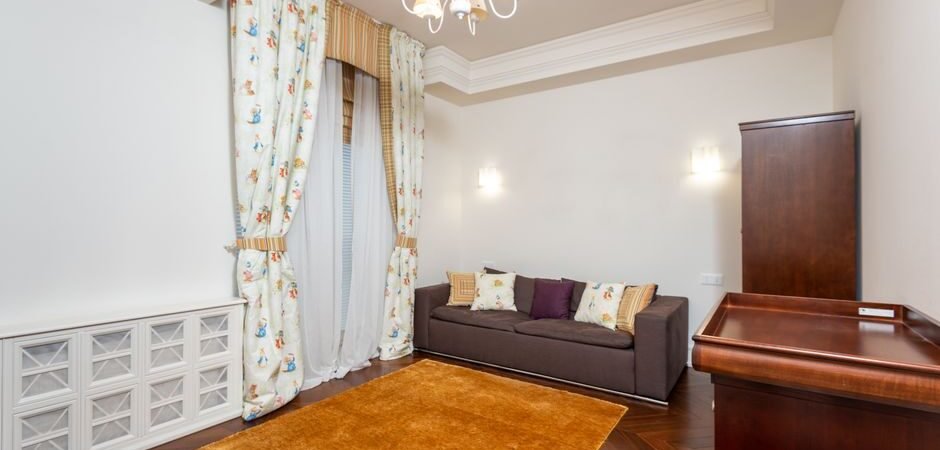
Comfort starts with the tactile experience. If your home feels cold or sterile, the quickest fix is the introduction of soft textiles. Think beyond the basic throw blanket. Consider the layers of your living area: a plush rug underfoot, linen curtains that diffuse sunlight to create a warm glow, and high-quality cushions that invite you to sit for a while. When we curate our surroundings with materials that feel good to the touch, our nervous systems instinctively begin to settle. This is particularly important when you consider your loungewear or the types of fabrics you keep near your bed. If you have been struggling to feel relaxed, look at your current inventory of home goods. Do you have scratchy throws? Are your rugs worn thin? Investing in quality textiles—from heavy cotton bed linens to velvet accent pillows—instantly changes the mood of a room from functional to restorative.
Mastering the Lighting Palette
Lighting is the most underrated tool for home comfort. Overhead lighting is often harsh, casting shadows that can make a room feel clinical. The secret to a comfortable home is a layered lighting approach. Never rely on a single central fixture. Instead, aim for at least three sources of light in every room: ambient lighting (the main light), task lighting (a lamp for reading or desk work), and accent lighting (decorative bulbs or warm-toned LED strips). By using warm-toned bulbs and dimmers, you can shift the atmosphere of your space from a productive workspace during the day to a soft, cozy retreat by evening. If you are someone who works from home, consider how your lighting affects your focus and your ability to wind down afterward. Smart lighting solutions allow you to control the ‘temperature’ of your light throughout the day, mimicking the natural circadian rhythm of the sun.
The Power of Intentional Organization
Clutter is the silent killer of comfort. When every surface is covered in miscellaneous items, our brains struggle to switch into rest mode. However, minimalism doesn’t have to mean living in an empty room. It means giving every item a home. For those with children, this is often the hardest hurdle. Utilize storage solutions that are both beautiful and practical—think woven baskets for kids shoes and toys, or sleek shelving units that keep everyday items within reach but out of sight. When you organize your belongings, you aren’t just cleaning; you are creating space for peace. Take a look at your closet and your vanity. Are your makeup essentials easy to find, or are they buried under layers of unused products? Streamlining your daily routines through better organization makes your mornings smoother and your evenings more relaxing.
Curating a Sensory Environment
Comfort is a multisensory experience. While we often focus on the visual, the scent and sound of your home play a massive role in how you perceive your environment. Introduce a signature scent through high-quality candles or essential oil diffusers to create a mental trigger that says ‘it is time to relax.’ Consider the acoustics of your space as well. If your home echoes, adding soft surfaces like rugs and upholstered furniture will help dampen sound. Even something as simple as a small indoor fountain or a curated playlist can transform a space from a silent, rigid box into a living, breathing sanctuary. If you are expecting a new addition to the family, focusing on these sensory details in your nursery or maternity areas is a fantastic way to prepare for the transition, ensuring the space feels nurturing rather than just clinical.
Elevating Your Daily Rituals
We spend a significant portion of our lives performing daily rituals—getting dressed, preparing meals, and winding down for sleep. Making these rituals more comfortable can drastically improve your quality of life. For example, if you struggle with getting ready in the morning, audit your storage. Do you have a dedicated space for your bags and accessories? When your essentials are displayed beautifully, getting ready becomes a moment of joy rather than a frantic search. Similarly, look at your home office or your kitchen. Do you have the right tools to make these areas efficient? Sometimes, the most comfortable home is simply one that works perfectly for the people living in it. When you remove friction from your daily tasks, you create more time for the activities that actually bring you comfort.
The Role of Biophilic Design
Bringing the outside in is one of the most effective ways to increase comfort. Humans have an innate need to connect with nature, and indoor plants are the easiest way to satisfy this. Plants not only improve air quality but also add a sculptural, organic element to your decor that synthetic materials cannot replicate. If you find it difficult to keep plants alive, start with low-maintenance options like Snake Plants or Pothos. They are incredibly forgiving and add an immediate sense of vitality to any room. Furthermore, if your budget allows, consider the layout of your furniture in relation to your windows. Natural light is a mood booster, and positioning your seating area to take advantage of the view or the sunlight can have a profound impact on your mental well-being. If you are in a space with limited windows, mirrors are an excellent way to bounce light around and create the illusion of more space and openness.
Updating Your Personal Style
Finally, your home should be a reflection of who you are. Comfort is inextricably linked to identity. If your home is filled with decor that you don’t actually like because you felt pressured to follow a specific trend, you will never feel truly comfortable there. Spend time curating pieces that hold meaning for you—art that inspires you, furniture that fits your body type, and colors that soothe your soul. For instance, if you love deep, moody colors, don’t feel pressured to paint everything white just because it is popular. A comfortable home is a personalized home. When you look at your shelves or your walls, you should see fragments of your own journey. This sense of belonging is the final ingredient in the recipe for a truly comfortable living space. Whether it is through a new piece of art, a fresh set of towels, or simply rearranging the furniture, every small change contributes to the greater goal of making your home a place where you feel most like yourself.
Looking Ahead: Future Trends in Home Comfort
As we move forward, the intersection of technology and comfort is becoming increasingly prominent. According to early reports, we may soon see even more intuitive ‘smart home’ integrations that anticipate our needs before we even express them. Rumored developments in automated climate control and adaptive furniture are expected to change how we interact with our physical spaces. While we should not rush to replace perfectly functional items, keeping an eye on these innovations can help us make better decisions when it is time to upgrade. Whether it is a new piece of tech or a timeless classic, the goal remains the same: to create a home that supports, comforts, and inspires you every single day. Remember, the journey to a comfortable home is a marathon, not a sprint. Start with one room, one corner, or even one small habit, and watch how the energy of your space begins to shift.
The Importance of Micro-Environments
While we often focus on the design of a room as a whole, there is immense value in creating smaller, designated “micro-environments” within your living space. These are specific zones tailored to a single, restorative activity, such as a cozy reading nook, a dedicated meditation corner, or a small area for journaling. By partitioning a room using a strategically placed bookshelf, a room divider, or simply a change in rug texture, you mentally signal to your brain that a specific space is reserved for a specific mindset. This is particularly helpful for those living in smaller apartments or open-concept homes where the lines between work, rest, and play can easily blur. Even a small armchair tucked into a quiet corner with a dedicated lamp can act as a psychological boundary, helping you disconnect from the demands of the day.
Seasonal Transitions and Your Living Space
Your home’s relationship with the calendar year is another overlooked aspect of comfort. Just as we transition our wardrobes from light linens to heavy wools, our homes benefit from seasonal shifts in decor and functionality. In the warmer months, consider swapping out heavy drapes for lighter, sheer fabrics that invite a breeze, or introducing natural materials like seagrass and bamboo to keep the atmosphere feeling light and airy. As the days grow shorter and colder, introduce deeper tones, heavier weighted blankets, and perhaps a curated collection of candles with warmer notes like cedarwood or amber. By adapting your environment to match the external season, you harmonize your indoor experience with the natural world, which can help mitigate the restlessness that often accompanies seasonal changes. These shifts don’t require a total overhaul; rotating your throw pillows or swapping a centerpiece can be enough to make your home feel fresh and responsive to the rhythm of the year.
The Role of Ergonomics in Everyday Comfort
While aesthetics often dominate our design choices, true comfort is deeply rooted in ergonomics. A space that looks stunning but causes physical strain will never feel like a sanctuary. When selecting seating, take the time to consider how your body interacts with your furniture. A chair that is too deep, a desk that is set at the wrong height, or a mattress that doesn’t provide adequate support can lead to chronic fatigue and tension. If you spend significant time at a desk, investing in an adjustable chair or a supportive footrest can make a world of difference in your physical well-being. Comfort is often found in the invisible details—the way a sofa supports your posture or the ease with which you can reach your most-used items.
The Impact of Vertical Space and Wall Texture
Many homeowners overlook the walls, treating them merely as backdrops rather than active elements of the room’s comfort level. Incorporating texture through wall treatments—such as grasscloth wallpaper, wood paneling, or even a gallery wall of framed textures—can soften the acoustic profile of a room and create a more intimate feeling. Similarly, utilizing vertical space for floating shelves or hanging textiles can draw the eye upward, making a room feel more expansive while freeing up precious floor space for movement. By thinking about your home as a three-dimensional experience, you can maximize both the visual harmony and the physical flow of your living areas, ensuring that every square foot is optimized for your comfort and peace of mind.