






















































































Key Takeaways
- Flats offer comfort and practicality for everyday wear.
- Heels can enhance posture and add elegance to outfits.
- Consider the occasion when choosing between styles.
- Your foot health should guide your decision on footwear.
Choosing the right footwear can significantly impact your style, comfort, and confidence. Among the most debated choices are flats and heels, each offering distinct advantages and disadvantages. While flat shoes are often praised for their comfort and practicality, heels are lauded for their ability to elevate an outfit and enhance posture. In this guide, we will explore the key differences between flats and heels, the occasions best suited for each, and how to make the most informed choice for your wardrobe.
When shopping for shoes, understanding the specific needs of your lifestyle is essential. Whether you prioritize comfort for daily tasks or desire an elegant touch for special events, knowing the characteristics of each footwear style can guide your decision. Let’s delve deeper into the world of flats and heels to help you determine which should find a place in your closet.
Before we jump into specifics, let’s acknowledge that both flats and heels have evolved over time, with numerous styles and variations available for each. From ballet flats to stilettos, the choices can be overwhelming, making it even more crucial to understand what each option brings to the table.
Understanding Flats
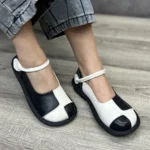
Flats are shoes that do not have a significant heel height, making them a comfortable choice for everyday wear. They come in various styles, including ballet flats, loafers, and sneakers, catering to a wide range of preferences and occasions.
One of the most significant advantages of flats is comfort. The lack of elevation helps reduce strain on the feet and back, making them ideal for long days spent on your feet. For instance, a busy professional might opt for a pair of chic loafers for a day filled with meetings and errands, allowing them to navigate the day with ease and style.
Flats can also be quite versatile. They can be paired with casual outfits, such as jeans and a t-shirt, or dressed up with a skirt or tailored trousers. This adaptability makes them a staple in many wardrobes. Moreover, with the rise of athleisure, stylish sneakers have become an acceptable choice for various occasions, blending comfort with style.
Types of Flats
- Ballet Flats: Classic and feminine, perfect for casual outings.
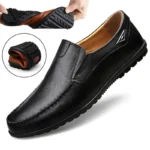
- Loafers: A smart option for office wear, offering a polished look.
- Sandals: Ideal for warmer weather, providing breathability and ease.
- Sneakers: Great for casual wear and activities, merging style with functionality.
Understanding Heels
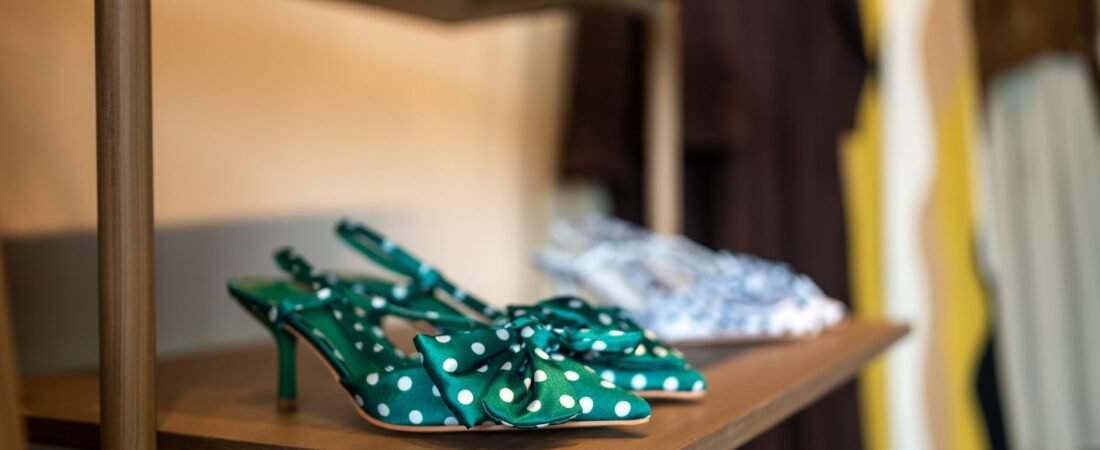
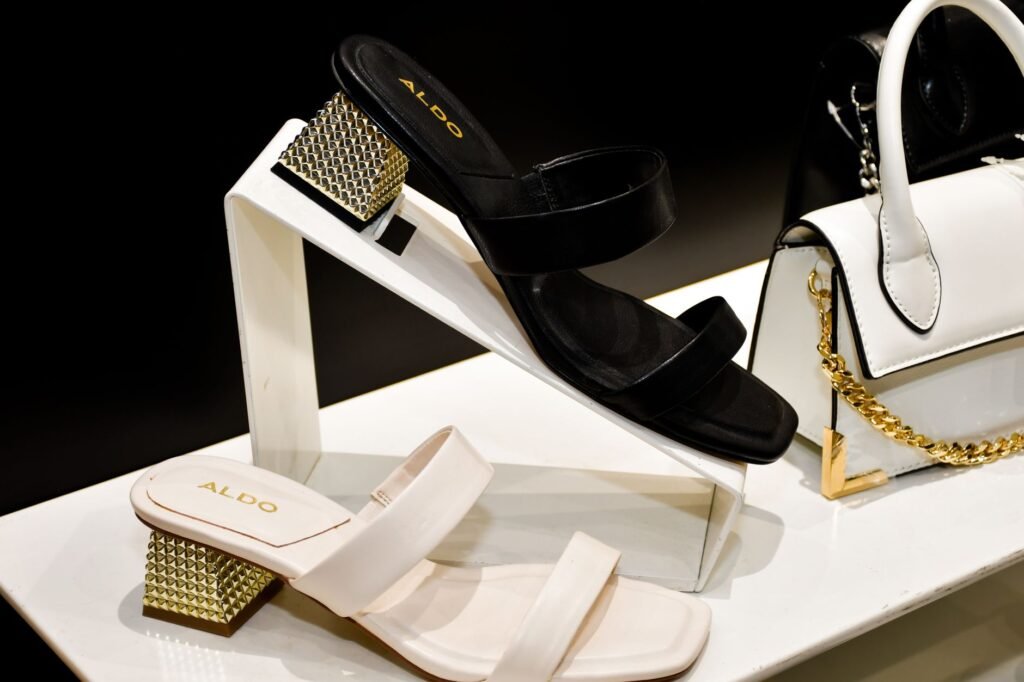
Heels, on the other hand, are designed to elevate the heel of the foot, often resulting in a more elongated appearance of the legs and a more formal aesthetic. They come in various styles, including pumps, stilettos, and block heels, each offering distinct looks and experiences.
The primary appeal of heels lies in their ability to enhance posture and provide a more sophisticated silhouette. Many women choose heels for formal occasions, such as weddings or corporate events, where a polished appearance is essential. For example, a woman might choose a pair of elegant stilettos to accompany a cocktail dress, creating a refined and stylish look.
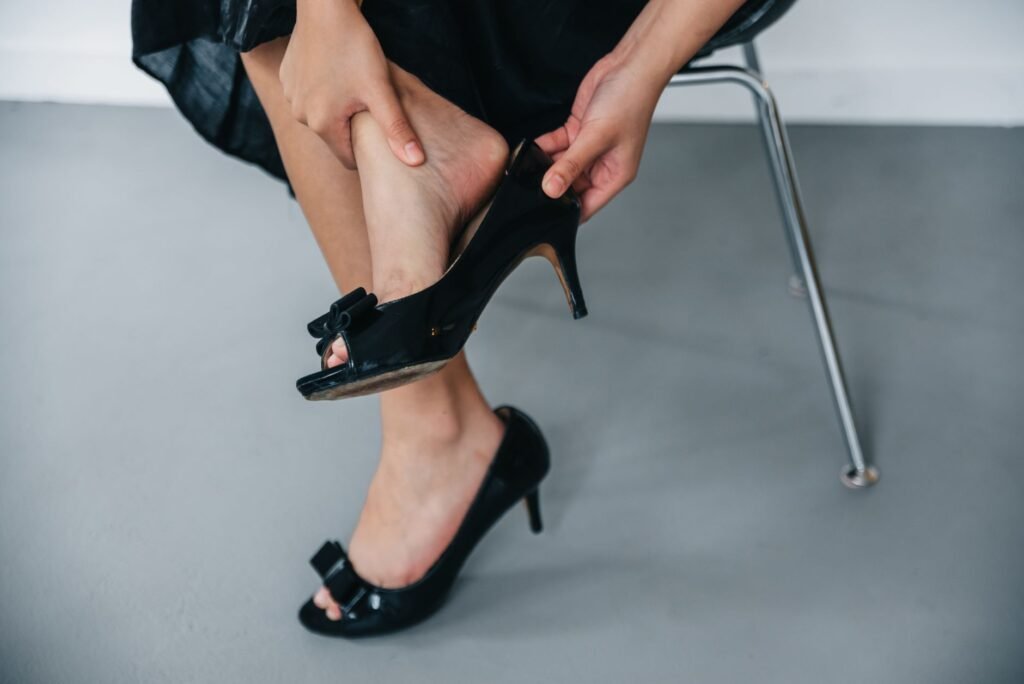
However, it’s important to recognize the potential downsides of wearing heels. Prolonged use can lead to discomfort, foot pain, and even long-term health issues. Therefore, it’s crucial to consider your comfort level and the duration for which you will wear heels on any given occasion.
Types of Heels
- Pumps: Versatile and classic, suitable for both work and formal events.
- Stilettos: High and sleek, perfect for making a statement.
- Block Heels: Offer more stability, great for everyday wear.
- Wedge Heels: Provide height without sacrificing comfort.
Comfort Considerations
When weighing flats vs heels, comfort should be at the forefront of your decision. Flats generally excel in this area due to their design, allowing for natural foot movement without the constraints of elevation. They are often the go-to choice for those who prioritize comfort in their daily lives.
In contrast, heels can be less forgiving. The higher the heel, the more pressure is placed on the forefoot and the arch of the foot. This can lead to various issues, including bunions, plantar fasciitis, and general fatigue. It’s key to choose heels with good arch support and cushioning, especially for longer wear.
For instance, a working professional attending a full day of meetings might opt for block heels that provide more support and stability compared to stilettos, which may lead to discomfort after just a few hours. It’s essential to know your limits and choose footwear accordingly.

Style Versatility
Both flats and heels offer unique styling opportunities, appealing to different aesthetics and occasions. Flats are often seen as more casual but can be dressed up with the right accessories. A pair of embellished flats can elevate a simple dress, making it suitable for a brunch date or a casual office environment.
Heels, conversely, are synonymous with formal wear. They can instantly elevate an outfit, turning a simple dress into a sophisticated ensemble. However, the right pair of heels can also add flair to more casual looks, such as pairing a chic pair of pumps with tailored jeans for a stylish evening out.
Consider your wardrobe needs when choosing between flats and heels. If your lifestyle involves a mix of professional and casual settings, investing in both types may be your best bet. Having a versatile pair of each can ensure you’re prepared for any occasion.
Occasions to Consider
The occasion often dictates whether flats or heels are appropriate. For casual outings like shopping trips or lunch with friends, flats are a comfortable and stylish choice. They allow for ease of movement and can be paired effortlessly with various outfits.
On the other hand, heels are often the go-to for formal events, such as weddings, galas, and corporate functions. The elegance they bring to an outfit can enhance your overall appearance, making you feel more polished and put together.
It’s also worth noting that some occasions may allow for a blend of both styles. For instance, a cocktail party could see a mix of stylish flats and heels, depending on individual preferences and comfort levels.

Foot Health Considerations
Foot health is a crucial factor when deciding between flats and heels. While flats are generally gentler on the feet, it’s essential to choose well-made options that provide adequate support. Poorly designed flats can lead to issues such as overpronation or lack of arch support.
Heels, although stylish, can exacerbate foot problems if worn excessively. High heels can cause pain and long-term issues like nerve compression or joint problems. Therefore, moderation is key. Consider rotating between flats and heels to alleviate pressure on your feet.
For those with specific foot conditions or concerns, consulting with a podiatrist before making footwear decisions can provide valuable insights tailored to your unique needs.
Materials and Construction: A Deeper Look
Common Materials Used in Flats
Flats can be made from a variety of materials, each offering different levels of comfort, durability, and style. Leather is a popular choice due to its breathability and ability to mold to the wearer’s foot over time, providing a custom fit. Synthetic materials, on the other hand, can be lightweight and come in a range of colors and designs, though they may not offer the same level of breathability. Other materials like canvas are favored for casual styles, allowing for easy maintenance and a laid-back aesthetic.
Some common materials used in flats include:
- Leather
- Suede
- Canvas
- Synthetic fabrics
Construction Techniques in Heels
The construction of heels is crucial to their comfort and longevity. Traditional methods involve handcrafting, where skilled artisans construct the shoe piece by piece. This often results in better quality and a more tailored fit. Modern techniques may include machine manufacturing, which can produce shoes faster and at a lower cost, but may sacrifice some quality. Additionally, the type of heel, such as stiletto or block, will influence both the style and stability of the shoe.
Key construction techniques in heels include:
- Goodyear welt
- Strobel construction
- Injection molding
- Handcrafting
Impact of Materials on Functionality
The materials used in both flats and heels significantly impact their functionality. For instance, rubber soles offer better traction and cushioning, making them ideal for outdoor wear, while hard leather soles provide a sleek look but may be slippery. Understanding how different materials affect your footwear can help you make informed choices based on your lifestyle and needs. Additionally, the weight of the materials can also play a role in overall comfort; lighter materials often make for easier wear, especially during long periods of use.
When choosing footwear, consider the following factors related to materials:
- Breathability
- Durability
- Weight
- Maintenance requirements
Fashion Trends and Cultural Influences
Current Trends in Flat Footwear
The fashion landscape for flats is ever-evolving, with new trends emerging regularly. Currently, pointed-toe flats are gaining popularity for their chic and polished look, making them suitable for both professional and casual settings. Additionally, embellished flats, featuring bows, beads, or embroidery, are in vogue, adding a touch of personality to simple outfits. Eco-friendly materials are also trending, as more consumers seek sustainable options in their fashion choices.
Some trends to watch for in flat footwear include:
- Pointed-toe designs
- Embellishments and unique patterns
- Use of recycled materials
Heels Through the Ages
Heels have a rich history, with styles evolving significantly over the centuries. Originally worn by men in the 16th century for riding, heels transitioned into women’s fashion, symbolizing femininity and status. The 20th century saw the emergence of various heel styles, from the classic kitten heel to the modern chunky heel, each reflecting the cultural and social movements of the time. Today, heels serve not only as a fashion statement but also as a form of self-expression, with many opting for custom designs that reflect personal style.
Important historical developments in heels include:
- The introduction of the stiletto in the 1950s
- Chunky heels reflecting the 1970s style
- Platform heels becoming popular in the 90s
Global Influences on Footwear Choices
Footwear choices are often influenced by cultural and geographical factors. In many Asian cultures, flats dominate due to their practicality and comfort, while Western societies may have a greater emphasis on high heels for formal occasions. Additionally, certain regions may favor specific styles based on climate; for example, open-toe sandals are popular in warmer climates, while boots may be preferred in colder regions. Understanding these cultural nuances can help in selecting footwear that aligns with both personal style and social norms.
Factors influencing global footwear preferences include:
- Cultural traditions
- Climate and weather conditions
- Fashion cycles and trends

Choosing the Right Footwear for Your Lifestyle
Active Lifestyles and Footwear Needs
For individuals with active lifestyles, choosing the right footwear is critical. Flats may not provide the necessary support for high-impact activities, whereas certain types of heels can be misleadingly comfortable. It is essential to consider the intended use of the footwear, whether for casual outings, professional environments, or physical activity. Brands are increasingly designing shoes that blend style with functionality, catering to those who do not want to compromise on aesthetics while being active.
Key considerations for active lifestyle footwear include:
- Cushioning and support
- Weight of the shoe
- Flexibility of the sole
Dress Codes and Footwear Selection
Different occasions often come with specific dress codes that impact footwear choices. In a corporate setting, sleek heels may be favored, while a casual outing might call for chic flats. Understanding the nuances of these dress codes can help you navigate your wardrobe effectively. For instance, a business casual dress code could allow for stylish loafers or dressy flats, whereas a formal event may require more traditional heels. Knowing the expectations can prevent you from feeling out of place.
Common dress codes to consider include:
- Business professional
- Business casual
- Casual
- Formal
Footwear for Seasonal Changes
Seasonal changes can greatly affect your footwear choices. Different weather conditions require specific materials and styles to ensure comfort and functionality. For example, winter may require boots with insulation and waterproof materials, while summer calls for breathable and lightweight options. Being aware of seasonal trends can help you stay stylish while also keeping your feet comfortable and protected from the elements.
Seasonal footwear considerations include:
- Material suitability for weather
- Insulation and warmth in colder months
- Lightweight and breathable options for summer
Frequently Asked Questions
Can I wear flats to formal events?
Yes, flats can be appropriate for formal events, especially if they are stylish and well-designed. Look for embellished or dressy flats to create a sophisticated look.
Are heels bad for my feet?
Wearing heels regularly can lead to foot pain and other issues. It’s essential to choose heels with good support and to limit wear time to maintain foot health.
How do I choose between flats and heels for work?
Consider your work environment and the duration of wear. If you’ll be on your feet a lot, flats may be the better option. For meetings or presentations, a stylish heel could enhance your professional appearance.
Can I find comfortable heels?
Yes, many brands offer heels designed with comfort in mind, featuring padding and arch support. Look for styles with a lower heel or a wider toe box for added comfort.
The Bottom Line
Ultimately, the choice between flats and heels depends on your personal style, comfort needs, and the occasions you encounter. Both styles have their merits, and finding the right balance between the two can enhance your wardrobe significantly. By understanding the characteristics of each type of footwear, you can make informed decisions that suit your lifestyle and preferences.