

































































































Key Takeaways
- Understand your skin type to select the right product.
- Look for specific ingredients that address your skin concerns.
- Consider the texture and formulation for optimal absorption.
- Test products on a small area before full application.
Choosing the right moisturizer can be a daunting task, especially with the myriad of options available on the market today. With the right knowledge, however, you can find a product that truly works for your skin type and needs. This guide will walk you through the essential factors to consider when selecting a moisturizer.
Moisturizers play a critical role in maintaining skin health. They help to hydrate the skin, prevent dryness, and create a protective barrier against environmental stressors. Understanding your skin type and its specific needs is the first step in finding the perfect moisturizer.
In this article, we will explore how to choose a moisturizer that will keep your skin looking its best. From understanding your skin type to recognizing key ingredients, we will provide you with the tools to make an informed decision.
Understanding Your Skin Type
Before diving into product selection, it’s crucial to understand your skin type. The four primary skin types are oily, dry, combination, and sensitive. Identifying your skin type will guide you in choosing a moisturizer that meets your specific needs.
Oily Skin
Oily skin is characterized by excess sebum production, resulting in a shiny appearance. People with oily skin may experience enlarged pores and are prone to acne. For this skin type, lightweight, oil-free moisturizers are ideal. Look for gel-based formulas that hydrate without clogging pores.
Dry Skin
Dry skin feels tight and may appear flaky or rough. Those with dry skin should opt for thicker, cream-based moisturizers packed with hydrating ingredients like hyaluronic acid, glycerin, and ceramides. These ingredients help to lock in moisture and create a barrier to prevent further dehydration.
Combination Skin
Combination skin features both oily and dry areas, often with an oily T-zone (forehead, nose, and chin) and dry cheeks. A lightweight moisturizer that balances hydration is best for this skin type. Consider a lotion or gel cream that hydrates without adding excess oil to the T-zone.
Sensitive Skin
Sensitive skin is prone to irritation, redness, and allergic reactions. For this skin type, it’s essential to choose moisturizers that are fragrance-free and formulated for sensitive skin. Ingredients like aloe vera and chamomile can help soothe and calm the skin.

Key Ingredients to Look For
Once you have identified your skin type, the next step is to look for key ingredients that can benefit your skin. Here are some essential ingredients to consider when choosing a moisturizer.
Hyaluronic Acid
This powerful humectant attracts moisture to the skin, making it an excellent ingredient for all skin types, especially dry skin. It helps to plump the skin and reduce the appearance of fine lines.
Glycerin
Glycerin is another humectant that draws water into the skin. It works well in combination with other ingredients to enhance moisture retention and improve skin texture.
Ceramides
Ceramides are lipid molecules that help restore the skin’s natural barrier. They are particularly beneficial for dry and sensitive skin, as they help to lock in moisture and protect against environmental stressors.
Niacinamide
This versatile ingredient enhances the skin’s barrier function, improves skin texture, and helps to reduce redness. It’s suitable for all skin types, making it a valuable addition to many moisturizers.
Natural Oils
Natural oils, such as jojoba oil, almond oil, and argan oil, provide nourishing hydration. They can be particularly beneficial for dry and combination skin as they help to soften and smooth the skin.
Choosing the Right Texture
The texture of a moisturizer is another important factor to consider. Different textures offer different benefits and can significantly impact how the product feels on the skin.
Gel-Based Moisturizers
These lightweight formulas are ideal for oily and combination skin types. Gel-based moisturizers absorb quickly, providing hydration without leaving a greasy residue.
Creams and Lotions
Creams are thicker and richer, making them perfect for dry skin. They provide intense hydration and can help to restore the skin’s barrier. Lotions fall somewhere in between, offering a balance of hydration and lightweight feel.
Oil-Based Moisturizers
Oil-based moisturizers are excellent for dry and mature skin. They provide rich hydration and help to lock in moisture, making the skin feel soft and supple.
Considering Your Skin Concerns
Aside from your skin type, it’s essential to consider any specific skin concerns you may have when choosing a moisturizer. Targeting these concerns can help improve your overall skin health.
Acne-Prone Skin
If you have acne-prone skin, look for non-comedogenic moisturizers that won’t clog your pores. Ingredients like salicylic acid can help prevent breakouts while still providing necessary hydration.
Aging Skin
For those concerned with signs of aging, choose moisturizers that include anti-aging ingredients like retinol, peptides, and antioxidants. These ingredients help to improve skin texture, firmness, and elasticity.
Hyperpigmentation
If you deal with dark spots or uneven skin tone, look for moisturizers containing vitamin C, licorice extract, or other brightening ingredients that can help even out your complexion.
Testing and Adjusting Your Moisturizer
Finding the perfect moisturizer might take some trial and error. Here are some steps to help you through the process.
Patch Testing
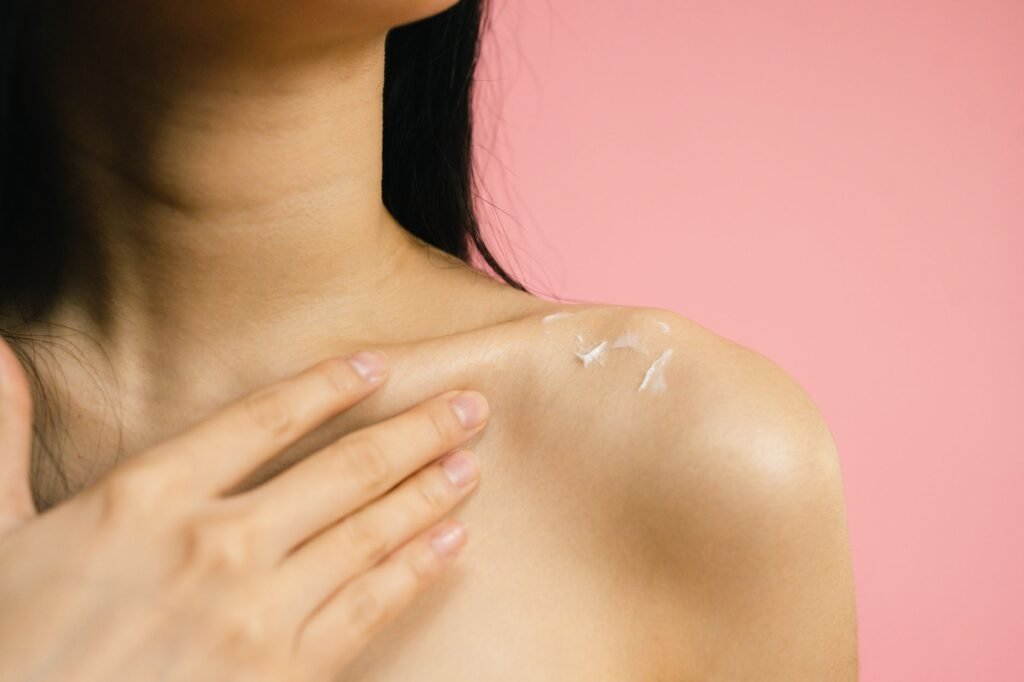
Before applying a new moisturizer all over your face, conduct a patch test on a small area of skin, like your wrist or behind your ear. This will help you determine if your skin reacts negatively to the product.
Adjusting for Seasons
Your skin’s needs may change with the seasons. In winter, you might need a heavier cream to combat dryness, while in summer, a lightweight gel may suffice. Be prepared to adjust your moisturizer based on environmental factors.
Observing Changes
After using a new moisturizer for a few weeks, observe how your skin responds. If you notice improvements, continue using it. If not, don’t hesitate to try another product that may suit your skin better.
Understanding Seasonal Skin Changes
Our skin’s needs can vary significantly with the changing seasons. As the weather transitions from one season to another, it is crucial to adjust your skincare routine, particularly your moisturizer, to accommodate these fluctuations. Understanding how seasonal changes impact your skin can help you select the appropriate moisturizer that keeps your skin healthy and hydrated year-round.
Winter: Combatting Dryness
Winter often brings lower humidity levels and colder temperatures, which can lead to increased skin dryness and irritation. During this season, it is essential to choose a moisturizer that offers intense hydration and creates a barrier to lock in moisture.
- Look for ingredients like hyaluronic acid, glycerin, and ceramides.
- Opt for thicker creams or ointments rather than lotions.
- Consider using a humidifier in your living space to combat dry indoor air.
Additionally, you may want to avoid hot showers, which can strip your skin of essential oils, and instead use lukewarm water to cleanse your skin.
Summer: Managing Oiliness
In contrast to winter, summer brings warmth and increased humidity, often resulting in oilier skin. During this time, your moisturizer should be lightweight and non-comedogenic to prevent clogged pores and breakouts.
- Choose gel-based or water-based moisturizers that absorb quickly.
- Look for ingredients such as aloe vera and lightweight oils like jojoba oil.
- Incorporate products with SPF to protect your skin from sun damage.
It’s also beneficial to keep your skin clean and exfoliated to manage excess oil and prevent acne during the hot months.
Transitioning Between Seasons
As you move from one season to another, your skin may experience transitional phases where it can become sensitive or reactive. It’s essential to be observant and adjust your moisturizer accordingly during these times.
- Monitor your skin’s response to changes in temperature and humidity.
- Consider using a lighter moisturizer in spring and fall to balance hydration without overwhelming your skin.
- Patch test new products before fully incorporating them into your routine.
Being proactive about adjusting your moisturizer can help maintain your skin’s health and avoid issues such as irritation and breakouts.
Moisturizer Application Techniques
The way you apply your moisturizer can significantly influence its effectiveness. Proper application techniques ensure that your skin absorbs the product adequately and maximizes hydration. Here are some techniques to consider for optimal results.
The Right Timing
Timing is critical when it comes to applying moisturizer. For best results, you should apply your moisturizer on damp skin immediately after cleansing.
- This helps to lock in moisture and prevent transepidermal water loss.
- If you use a serum, apply it before your moisturizer for enhanced hydration.
- In the morning, apply a moisturizer with SPF to protect your skin throughout the day.
Evening routines should include a nourishing moisturizer to help your skin recover while you sleep.
Layering Products
Layering is a technique that can enhance the efficacy of your skincare routine. It involves applying products in a specific order based on their texture and purpose.
- Start with the thinnest consistency (like serums) and work your way up to thicker products.
- Consider using a hydrating toner before your moisturizer to boost hydration levels.
- Don’t forget to include eye creams and spot treatments in your layering routine.
Be mindful of how each product reacts with one another to avoid pilling or irritation.
Massage Techniques
Incorporating facial massage techniques while applying moisturizer can enhance circulation and promote a healthy glow.
- Use gentle upward motions to lift and firm the skin.
- Incorporate the use of tools like jade rollers or gua sha for added benefits.
- Spend extra time on areas that tend to be drier or show signs of aging.
These techniques not only help with absorption but also provide a moment of self-care in your daily routine.
Environmental Factors Influencing Moisturizer Choice
Your environment plays a crucial role in how your skin behaves, and it’s vital to consider these factors when choosing a moisturizer. Pollution, climate, and even your lifestyle can affect your skin’s hydration levels and overall health.
Urban vs. Rural Living
Living in an urban environment often exposes you to higher levels of pollution, which can lead to skin damage and dryness. In contrast, rural areas may have cleaner air but can still present challenges like dry or humid conditions.
- In urban settings, opt for moisturizers with antioxidants to combat pollution damage.
- Consider barrier creams that protect against environmental stressors.
- In rural areas, choose products that address specific climate-related concerns, such as dryness or excess humidity.
Assess your environment and adjust your moisturizer accordingly to maintain skin health.
Climate Considerations
The climate can significantly influence your skin’s moisture levels. For example, dry, arid climates can lead to increased moisture loss, while humid climates may require lighter formulations.
- In dry climates, prioritize rich creams and occlusives like petroleum jelly.
- In humid climates, lightweight gel formulas or oil-free moisturizers are ideal.
- Always consider seasonal changes within your climate to adjust your moisturizer.
Being mindful of climate conditions will help you choose the most effective moisturizer for your skin.
Lifestyle Factors
Your daily activities and lifestyle choices can also impact your skin’s hydration levels. Factors such as diet, stress, and exposure to sun can play a role.
- Maintain a balanced diet rich in omega-3 fatty acids and antioxidants to support skin health.
- Stay hydrated by drinking plenty of water throughout the day.
- Manage stress through relaxation techniques, as stress can exacerbate skin conditions.
Taking a holistic approach to your lifestyle will complement your skincare routine and enhance the effectiveness of your moisturizer.
Frequently Asked Questions
How often should I apply moisturizer?
For optimal hydration, it’s best to apply moisturizer at least twice a day, once in the morning and once at night. This helps to keep your skin hydrated and protected throughout the day.
Can I use moisturizer on oily skin?
Absolutely! Oily skin still requires hydration. Look for lightweight, oil-free formulas that provide moisture without adding excess oil.
What is the best time to apply moisturizer?
The best time to apply moisturizer is after cleansing your skin, both in the morning and at night. Applying it on damp skin can help lock in moisture effectively.
Is it necessary to use a separate moisturizer for day and night?
While not strictly necessary, using a lightweight moisturizer during the day and a richer cream at night can be beneficial for your skin. Night creams often contain more intensive ingredients that work while you sleep.
The Bottom Line
Choosing the right moisturizer involves understanding your skin type, recognizing key ingredients, and considering your specific skin concerns. By following this guide, you can find a moisturizer that keeps your skin healthy and hydrated. Remember, it may take some time to find the perfect product, so be patient and attentive to your skin’s needs.