






























































































Key Takeaways
- Creating a tailored shopping list ensures you buy what your kids truly need.
- Involve your children in the shopping process to teach them budgeting skills.
- Prioritize quality over quantity for children's clothing and toys.
- Regularly update the shopping list to reflect changing needs and preferences.
Building a practical kids’ shopping list can save time, reduce stress, and ensure that you get everything your children need. It’s not just about getting the essentials but also about teaching your kids valuable lessons in budgeting and decision-making. In this guide, we’ll explore how to create an efficient shopping list tailored to your child’s needs.
Having a well-structured shopping list is essential for any parent. It helps to keep your shopping focused and can prevent impulse buys that often lead to overspending. Additionally, involving your kids in the shopping process can be a fun and educational experience. From fashion and beauty products to tech gadgets and home essentials, there is a multitude of categories to cover.
In this article, we will break down the process of creating a practical kids’ shopping list, offering tips and tricks along the way to make your shopping trips smoother and more enjoyable.
Understanding Your Child’s Needs
Before you start jotting down items, it’s crucial to understand what your child truly needs. Children’s needs change frequently, influenced by their growth, interests, and activities. Start by evaluating what items are essential at this moment.
Consider the following factors:
- Age and Development: Different age groups have different requirements. For example, toddlers may need clothing that accommodates their frequent movement, while teenagers might prioritize fashion trends.
- Interests and Hobbies: A child interested in sports will have different shopping needs compared to one who loves arts and crafts. Tailor your list accordingly.
- Seasonal Changes: As the seasons change, so do clothing and accessory needs. Make sure to assess what your child might need for the upcoming season.

Involving Kids in the Process
Getting your children involved in the shopping process can make the experience enjoyable and educational. Here are some practical tips to effectively involve them:
- Discuss the List: Sit down with your child and go through the shopping list together. Explain why certain items are necessary and let them express their preferences.
- Set a Budget: Teach your child about budgeting by giving them a set amount of money for their shopping. This helps them understand the value of money and make wise choices.
- Make it Fun: Turn shopping into a fun outing. Consider making a game out of finding items on the list or rewarding them for sticking to the budget.
Categories to Include in Your Kids’ Shopping List
When building a kids’ shopping list, it helps to categorize items for easier organization. Here are several key categories to consider:
Clothing
Children grow quickly, and their clothing needs can change rapidly. When shopping for clothes, consider:
- Basics: Include essentials like t-shirts, pants, and underwear.
- Seasonal Items: Don’t forget coats for winter, swimsuits for summer, and appropriate footwear.
- Special Occasions: If there are upcoming events like holidays or birthdays, make sure to include formal wear.
Toys and Games
Choosing the right toys and games can have a significant impact on your child’s development:
- Educational Toys: Opt for educational games that promote learning while having fun.
- Outdoor Play: Encourage physical activity by including items like sports equipment or outdoor games.
- Creative Outlets: Art supplies or building sets can foster creativity and imagination.
Tech Gadgets
In today’s digital age, tech can be an essential part of a child’s life. Here are some items to consider:
- Tablets or Laptops: If your child is of school age, consider what technology they may need for their studies.
- Educational Apps: Look for apps that can aid learning and development.
- Accessories: Don’t forget items like headphones or protective cases that may be necessary.
Beauty and Personal Care
As children grow, they may start to show interest in beauty and personal care. Here’s what to include:
- Skincare: Basic skincare products, such as moisturizers or sunscreen, are essential.
- Hair Care: Depending on their hair type, consider brushes, shampoos, and conditioners.
- Fun Accessories: Items like hair clips or fun bath products can make personal care exciting.
Home Essentials
Home items can also be part of your kids’ shopping list, especially as they take on more responsibility:
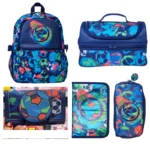
- School Supplies: Make sure to include items like notebooks, pens, and backpacks.
- Bedding and Decor: Consider updating their room with new bedding or fun decor items.
- Organizational Tools: Items like storage boxes can help keep their space tidy.
Creating a Balanced List
A practical kids’ shopping list should be balanced across categories. You can create a table to visualize this balance:
| Category | Essential Items | Budget |
|---|---|---|
| Clothing | T-shirts, jackets, shoes | $100 |
| Toys | Board games, sports gear | $50 |
| Tech | Tablet, accessories | $200 |
| Beauty | Moisturizers, hair care | $30 |
| Home Essentials | School supplies, bedding | $80 |

Regularly Updating the List
Children’s needs are not static; they evolve as they grow. It’s important to regularly update your shopping list to reflect these changes. Here are some strategies to keep your list relevant:
- Seasonal Reviews: At the start of each season, assess what items are needed. This helps prevent last-minute shopping.
- Feedback from Kids: Encourage your children to express what they need or want. Their input can lead to a more practical list.
- Inventory Check: Regularly check what items you already have to avoid buying duplicates.
Utilizing Technology for Efficient Shopping
Shopping List Apps
In today’s digital age, shopping list apps can be a game-changer for families. These applications offer features that make organizing and managing shopping lists easier than ever. Many apps allow multiple users to access the same list in real-time, which is particularly useful for households where both parents and kids contribute. By utilizing a shopping list app, kids can learn to manage their own lists while also being involved in the family shopping process.
Some popular shopping list apps include:
- AnyList
- Out of Milk
- Google Keep
- Todoist
Each of these apps has unique features such as categorization, the ability to scan barcodes, and recipe integration, which can enhance the shopping experience. Encourage your kids to help select an app that fits your family’s needs, fostering a sense of ownership and responsibility.
Barcode Scanning Technology
Another innovative way to engage kids in shopping is through barcode scanning technology. Many shopping list apps now include a feature that allows users to scan items directly from their pantry or refrigerator. This can be an exciting way for children to learn about inventory management while also keeping track of what needs to be restocked.
When setting up the barcode scanning feature, guide your kids through the process. Explain how to scan the barcodes of items that are running low and discuss why it’s important to keep certain staples on hand. It can turn shopping into a fun game where children can compete to see who can scan the most items!
Online Grocery Shopping
Online grocery shopping has become increasingly popular, offering convenience that can benefit families. Many grocery stores provide options for online ordering, allowing you to create a shopping list from the comfort of your home. Involving kids in this process can teach them about budgeting and planning, as you can set a spending limit for the order.
Incorporate the following steps when involving kids in online grocery shopping:
- Set a budget for the shopping list.
- Have kids choose items they want to include.
- Review delivery options and time slots together.
This interactive approach not only makes shopping more enjoyable for kids but also instills valuable lessons about financial literacy and planning.
Teaching Kids About Healthy Choices
Understanding Nutrition Labels
One critical skill to teach kids while building a shopping list is how to read and understand nutrition labels. This knowledge empowers them to make healthier choices when selecting snacks and meals. Take the time to explain what each section of the label means, including serving sizes, calories, and nutritional values.
You can create a scavenger hunt during your next shopping trip by asking your kids to find items that meet specific nutritional criteria, such as:
- Low in sugar
- High in fiber
- Rich in protein
This hands-on approach makes learning about nutrition engaging and memorable, helping kids appreciate the importance of healthy eating.
Creating a Balanced Snack List
Snacks are often an essential part of a child’s diet, yet they can easily become unhealthy if not chosen wisely. Work with your kids to create a balanced snack list that includes a variety of food groups. Discuss the importance of including fruits, vegetables, whole grains, and proteins in their snack choices.
Here’s a sample balanced snack list to inspire your children:
- Fresh fruit (apples, bananas, berries)
- Vegetable sticks (carrots, cucumbers, bell peppers)
- Whole grain crackers or rice cakes
- Nut butter or yogurt for dipping
Involving kids in the creation of this list can help reinforce the concept of healthy eating while making them more excited about their snack options.
Exploring New Foods
Encouraging kids to explore new foods can be an exciting adventure and a way to diversify their palates. When building a shopping list, suggest that they pick an item they have never tried before. This could be a unique fruit, vegetable, or a different type of grain.
To make this process easier, you can establish a “new food of the week” rule, where each week, one new item must be included on the shopping list. Discuss together how to prepare or cook the new item and explore different recipes. The goal is to make trying new foods a fun and regular part of grocery shopping.

Establishing a Shopping Routine
Choosing a Shopping Day
Establishing a regular shopping day can help create a sense of routine for children. Decide on a day of the week that works best for your family to go grocery shopping, whether it’s the weekend or a weekday evening. Having a designated shopping day can help kids anticipate the trip and prepare their lists in advance.
Discuss why consistency is important, such as ensuring that the pantry remains stocked and meals can be planned effectively. This routine also allows kids to participate in the anticipation of the shopping process, making them feel more involved.
Creating a Pre-Shopping Checklist
Before heading out to shop, create a pre-shopping checklist to ensure that nothing is forgotten. This checklist can include tasks such as:
- Reviewing the pantry and refrigerator
- Checking if any items need to be replenished
- Finalizing the shopping list with the kids
By involving kids in this checklist process, you teach them valuable organizational skills and the importance of preparation. It can also be a bonding experience as you work together to ensure that the shopping trip goes smoothly.
Post-Shopping Activities
After returning from the grocery store, engage kids in post-shopping activities that reinforce the lessons learned during the trip. This could include organizing the pantry, helping to put away groceries, or even preparing a meal using some of the items purchased. These activities help children understand the link between shopping and meal preparation.
Consider establishing a tradition where kids can choose one item from the shopping trip to incorporate into dinner that evening. This not only allows them to feel ownership over their choices but also gives them a chance to express their culinary creativity.
Frequently Asked Questions
How often should I update the kids’ shopping list?
It’s a good idea to update the list at least seasonally or whenever you notice your child’s needs have changed. Regular reviews can help keep it relevant.
Should I include my child in every shopping decision?
While it’s beneficial to include them in some decisions, especially regarding their preferences, it’s not necessary to involve them in every item. Prioritize items that truly impact their choices.
What if my child has specific preferences?
Take their preferences into account but balance them with practicality. For instance, if your child prefers a specific brand, check if it fits within your budget.
How can I teach my child about budgeting during shopping?
Set a budget for their shopping trip and encourage them to make decisions based on that amount. This practice can help them learn financial responsibility.
The Bottom Line
Building a practical kids’ shopping list involves understanding your child’s needs, involving them in the process, and regularly updating the list. By categorizing items and keeping a balanced approach, you can ensure your shopping trips are efficient and enjoyable. With these strategies, shopping for your children can become a more organized and stress-free experience.