






















































































Key Takeaways
- Glass containers are more durable and eco-friendly.
- Plastic containers are lightweight and often cheaper.
- Consider safety and health implications of both materials.
- Evaluate your storage needs and lifestyle for the best choice.
Choosing the right food storage container can significantly impact how we store, preserve, and consume our food. Among the most widely used materials for food containers are glass and plastic. Each offers unique benefits and potential drawbacks that can influence your purchasing decisions. This article will explore the differences between glass vs plastic food containers, helping you make an informed choice based on your needs and lifestyle.
Glass food containers have been around for centuries, favored for their durability and non-reactive properties. They are often seen as a more sustainable option, especially as concerns about plastic waste grow. However, plastic containers are popular for their lightweight nature and affordability, making them a staple in many households. To understand which option might be best for you, let’s delve into the various factors to consider.
First, we will examine the material properties, including durability, safety, and environmental impact. Next, we will look at practical uses and functionality in daily life. Finally, we will offer some buying tips to help you choose the best containers for your needs.
Material Properties of Glass and Plastic
When it comes to food storage, the material of your containers can affect everything from food safety to longevity. Let’s break down the fundamental differences between glass and plastic.
Durability and Lifespan
Glass containers are known for their robustness. They are less likely to warp, stain, or retain odors compared to plastic. A well-made glass container can last for many years, often outliving its plastic counterpart. Additionally, glass is typically dishwasher and oven-safe, allowing for versatile use.
On the other hand, plastic containers can be more prone to scratches and may degrade over time, especially when exposed to high temperatures or harsh chemicals. While many modern plastics are designed to be BPA-free and more resilient, they still may not match the longevity of glass.
Health and Safety Considerations
Health concerns surrounding food storage often revolve around the potential for chemicals to leach into food. Glass is generally considered a safer option because it is non-reactive and does not leach harmful substances. This makes glass ideal for storing acidic foods, such as tomato-based sauces, which can react negatively with some plastics.
Plastic containers, especially older models, may contain chemicals that can migrate into food, particularly when heated. While many manufacturers now produce BPA-free plastics, it’s essential to check labels and understand the implications of the materials used in your food storage containers.
Environmental Impact
From an environmental perspective, glass is often hailed as the superior choice. It is recyclable and can be reused indefinitely without losing quality. This makes it a more sustainable option in the long run, especially as society shifts toward reducing single-use plastics.
Plastic, while convenient, contributes significantly to landfill waste and ocean pollution. Although some plastics are recyclable, the reality is that a large percentage ends up in landfills or the environment. If sustainability is a priority for you, glass containers may align better with your values.
Functional Uses in Daily Life
Both glass and plastic containers come with their own set of functional advantages and disadvantages. Understanding these can help you determine which type will best suit your lifestyle.
Versatility and Use Cases
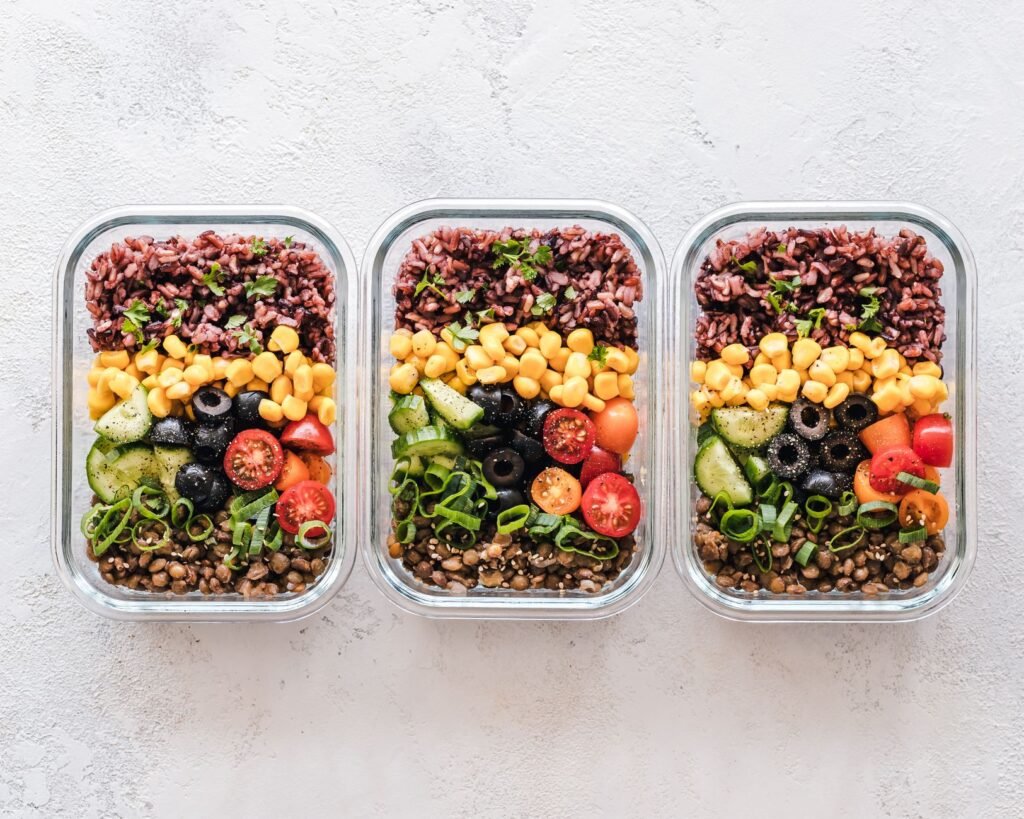
Glass containers provide excellent versatility. They can transition from the freezer to the oven and even be used as serving dishes. This ability to withstand temperature changes without warping or cracking is a significant advantage, particularly for meal prep enthusiasts who appreciate multifunctional kitchenware.
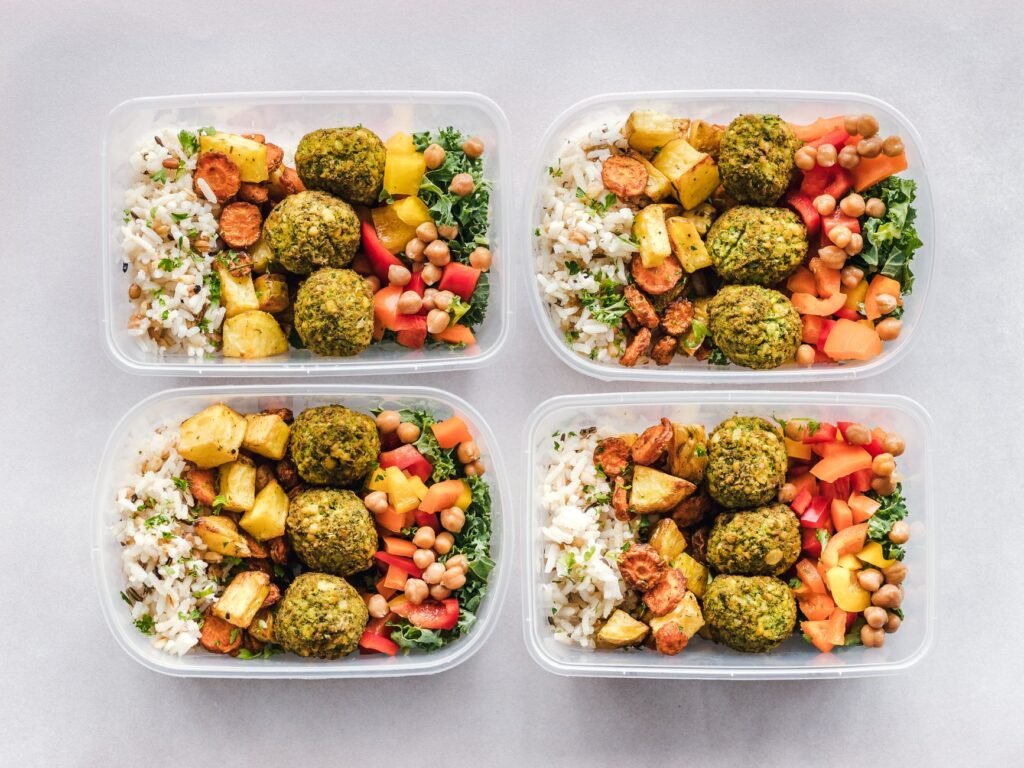
Plastic containers, however, shine in portability. They are lightweight and less likely to break, making them ideal for packed lunches or on-the-go snacks. Many plastic options come with built-in features like locking lids to prevent spills, which can be a big plus for busy families.
Storage and Organization
When it comes to kitchen organization, glass containers often come in a wide variety of shapes and sizes, making them suitable for stacking and efficient storage. Their transparent nature allows for easy visibility of contents, helping you keep track of what you have on hand.
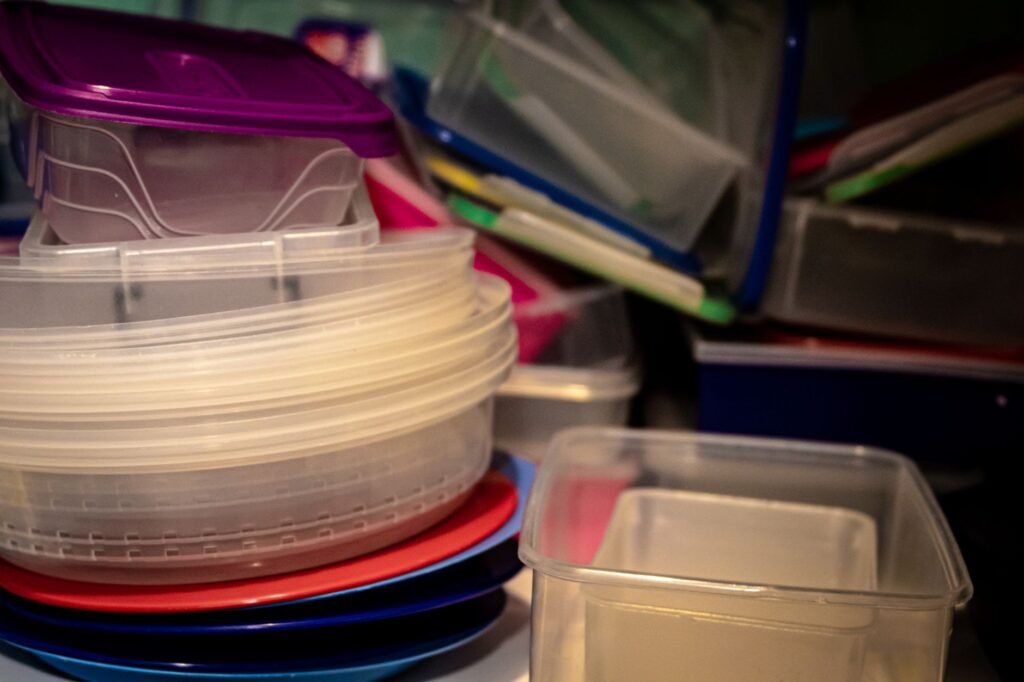
Plastic containers can also offer a range of sizes, but their opacity can make it harder to see what’s inside. However, they often come in sets with matching lids, promoting a cohesive look in your kitchen and making organization easier.
Cleaning and Maintenance
Cleaning glass containers is generally straightforward as they are dishwasher safe and do not retain food odors. However, care must be taken to avoid breaking them during washing or storage.
Plastic containers can be more challenging to clean, especially if they become stained or retain odors. While many are labeled as dishwasher safe, prolonged exposure to heat can cause them to warp or degrade. Regularly replacing worn plastic containers can help maintain hygiene and food safety.
Cost Considerations
When deciding between glass and plastic food containers, the cost is an essential factor. Typically, plastic containers are more budget-friendly upfront, which can be appealing for those looking to save money.
However, it’s vital to consider long-term costs. Glass containers may have a higher initial price but often prove more cost-effective over time due to their durability and longevity. Investing in quality glass containers can reduce the need for frequent replacements, ultimately saving money and reducing waste.
Initial Investment vs. Long-Term Savings
For example, a set of glass food storage containers might cost significantly more than a similar set of plastic ones. Still, if those glass containers last ten years while the plastic ones need replacing every couple of years, the overall expense may be similar or even less for glass.
When planning your kitchen inventory, consider how often you use food storage containers and how much you’re willing to invest. For frequent use, glass may offer the best value.
Buying Tips for Food Storage Containers
Choosing between glass and plastic food containers can be challenging, but some tips can help simplify your decision-making process.
Assess Your Needs
Begin by evaluating your cooking and storage habits. Do you frequently prepare meals in advance, or do you primarily store leftovers? Understanding your needs will guide you in selecting the right type and quantity of containers.
Also, consider how you plan to use the containers. If you need something that can go from the freezer to the microwave, glass may be the better option. For items that require portability, like lunches for work or school, plastic might be more suitable.
Research Products and Brands
Do your homework on different brands and products. Look for containers made from high-quality materials, whether glass or plastic. Read reviews and check for certifications regarding safety and sustainability.
When shopping, it may be helpful to look for sets or bundles that offer a variety of sizes. This way, you’ll have the flexibility to store different types of food efficiently.
Check for Versatility
Opt for containers that offer versatility. Look for products that can be used in multiple ways, such as being safe for oven, microwave, and freezer use. Additionally, consider containers with airtight lids to keep food fresher for longer.
Environmental Impact of Glass and Plastic Containers
Recyclability and Lifecycle
The environmental footprint of food containers is a crucial aspect to consider. Glass containers are 100% recyclable and can be recycled indefinitely without losing quality. This means that once a glass container has served its purpose, it can be melted down and reformed into new products. In contrast, while many plastics are technically recyclable, the reality is that only a fraction of plastic containers are actually recycled. Many end up in landfills or the ocean, contributing to environmental pollution.
- Glass: Recyclable indefinitely
- Plastic: Limited recyclability, often downcycled
- Impact on landfills: Glass decomposes slowly, while plastic can take hundreds of years
Carbon Footprint
When considering the carbon footprint of each material, glass production is energy-intensive and emits more greenhouse gases than plastic production. However, the long-term usage and recyclability of glass can offset its initial environmental costs. Plastic, on the other hand, has a lower upfront energy requirement but poses significant long-term challenges due to its persistence in the environment. It’s important to evaluate the entire lifecycle of these materials when making a choice.
- Glass: Higher initial carbon emissions, offset by longevity and recyclability
- Plastic: Lower initial emissions, high long-term environmental impact
Impact on Wildlife and Ecosystems
Both glass and plastic containers pose risks to wildlife, but the effects differ. Glass can break into sharp shards that can injure animals, while plastic often leads to ingestion or entanglement. Microplastics, resulting from the breakdown of larger plastic items, have entered food chains, affecting various species. On the other hand, glass does not break down in the same way, leading to less pollution in ecosystems but still posing physical hazards.
- Glass: Physical hazards from shards
- Plastic: Risks from ingestion and microplastics
- Overall impact: Both materials can harm wildlife but in different ways
Health Considerations
Leaching of Chemicals
One of the most significant health concerns regarding food storage is the leaching of chemicals from containers into food. Glass is generally considered safe as it does not leach chemicals, providing a stable environment for food storage. Conversely, certain types of plastic, especially when heated or scratched, can leach harmful chemicals such as bisphenol A (BPA) and phthalates into food, which are linked to various health issues. It is essential to consider the type of plastic when making a choice.
- Glass: No chemical leaching
- Plastic: Potential for leaching, especially with low-quality plastics
- Recommendation: Choose BPA-free plastics for safer options
Impact of Temperature on Food Safety
The ability of food containers to maintain food safety is also crucial. Glass can withstand high temperatures, making it suitable for oven use, while many plastic containers are not microwave-safe and can warp or melt, releasing harmful chemicals. This limitation can restrict the ways food can be reheated or stored. Understanding how each material reacts to temperature is essential for safe food storage.
- Glass: Safe for oven and microwave use
- Plastic: Often not microwave-safe; check labels carefully
- Food safety: Maintaining appropriate temperatures is vital
Odor and Stain Retention
Another health consideration involves odor and stain retention. Plastic containers can absorb odors and stains from food, leading to unpleasant smells and flavor transfer, which can affect the quality of the food stored in them. Glass containers, in contrast, are non-porous and do not retain odors or stains, providing a cleaner storage option over time. This characteristic makes glass preferable for storing strong-smelling foods.
- Plastic: Prone to odor and stain absorption
- Glass: Resistant to odors and stains
- Recommendation: Choose glass for long-term storage of aromatic foods

Storage and Organization
Space Efficiency
When it comes to maximizing space in your kitchen or pantry, the shape and design of food storage containers play a vital role. Glass containers often come in stackable designs, which can help save space. However, they can be heavier and more fragile compared to plastic containers. Plastic containers are typically lighter and more versatile in shape, allowing for easier organization in various storage spaces.
- Glass: Stackable but can be heavy
- Plastic: Lighter and more versatile for space-saving
Visibility and Accessibility
Another factor to consider is visibility when storing food. Glass containers provide clear visibility, allowing you to quickly identify contents without needing to open them. This can be particularly useful for meal prep and planning. Plastic containers, while often opaque, can come with clear lids or labeling options to help with visibility, but they may not offer the same clarity as glass.
- Glass: Clear visibility of contents
- Plastic: Can be opaque but often features clear lids
Ease of Cleaning and Maintenance
Cleaning and maintaining food storage containers is an essential part of usage. Glass containers are generally dishwasher-safe and easy to clean, as they don’t hold onto food residues or stains. Plastic containers often require more careful cleaning to avoid scratches that can harbor bacteria, and they may not be dishwasher-safe. Understanding the maintenance needs of each material can help ensure longevity and hygiene.
- Glass: Easy to clean, often dishwasher-safe
- Plastic: Requires careful cleaning to maintain hygiene
- Longevity: Glass typically lasts longer than plastic
Frequently Asked Questions
Are glass containers safer than plastic?
Generally, glass containers are considered safer due to their non-reactive nature and lack of harmful chemicals that can leach into food.
Can glass containers break easily?
While glass containers can break if dropped, many are designed to be durable. Choosing high-quality, tempered glass can reduce the risk of breakage.
Is it worth investing in glass containers?
Investing in glass containers can be worthwhile due to their longevity, safety, and environmental benefits, making them a sustainable choice for food storage.
How do I know if my plastic containers are BPA-free?
Look for labels on the containers that indicate BPA-free status. Many manufacturers now prominently display this information on their products.
The Bottom Line
In the debate of glass vs plastic food containers, the best choice ultimately depends on your individual needs, priorities, and lifestyle. Glass containers offer durability, safety, and eco-friendliness, making them a great long-term investment. In contrast, plastic containers provide convenience and affordability, especially for those on the go. By assessing your cooking habits and preferences, you can select the most suitable option for your food storage needs.