







































































Key Takeaways
- Sunglasses protect your eyes from UV rays.
- Different styles suit various face shapes.
- Polarized lenses reduce glare for better visibility.
- Choosing the right fit enhances comfort and style.
When it comes to enhancing your look, the right pair of sunglasses for men can make a significant difference. Not only do they add style and personality to your outfit, but they also serve a crucial function: protecting your eyes from harmful UV rays. With countless designs, shapes, and features available on the market, finding the best sunglasses can be a daunting task. This guide will help you navigate through the options and select the perfect pair to suit your needs and style.
In the world of men’s fashion, sunglasses are more than just an accessory; they are a statement. Whether you are hitting the beach, going for a drive, or attending a summer wedding, the right pair of sunglasses can elevate your look and ensure you are comfortable in bright sunlight. This article will explore different styles, lens types, and practical tips for selecting the best sunglasses for men.
From classic aviators to modern wayfarers, there is a style for everyone. In this guide, we will also touch on features like polarization, UV protection, and how to choose a pair that complements your face shape. We aim to cover everything you need to know to make an informed purchase, ensuring you look great while keeping your eyes protected.
Understanding Sunglasses Styles
Sunglasses come in various styles, each offering a unique aesthetic and functionality. Knowing which style suits you best can enhance your overall look and comfort. Here are some of the most popular styles of sunglasses for men:
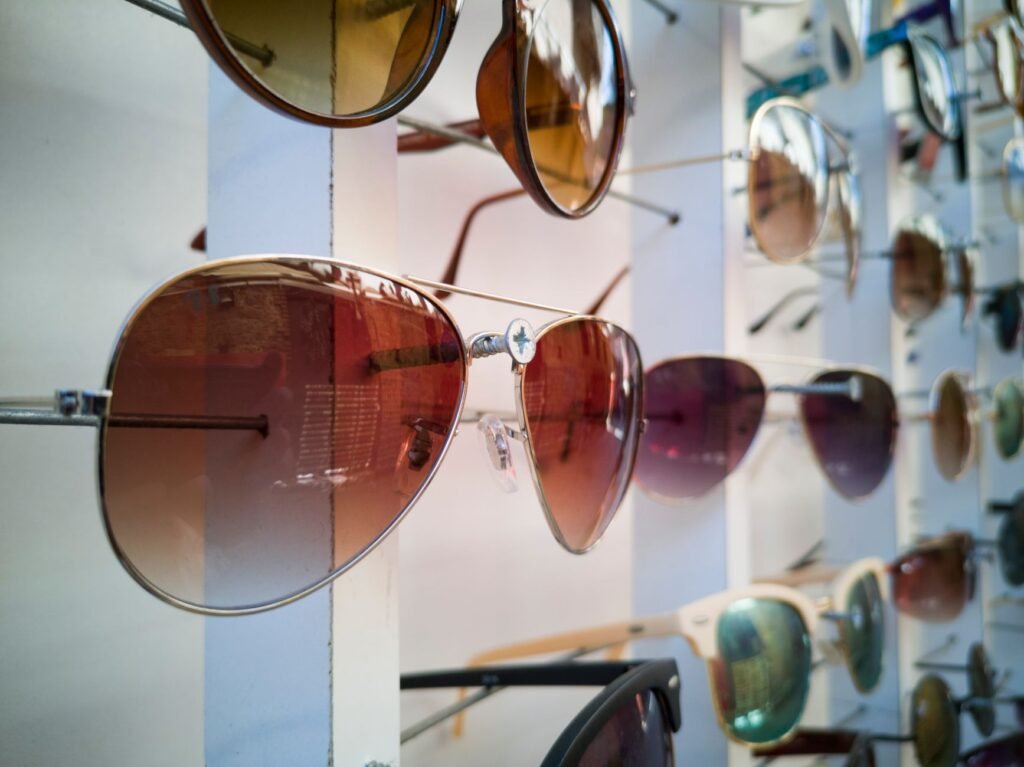
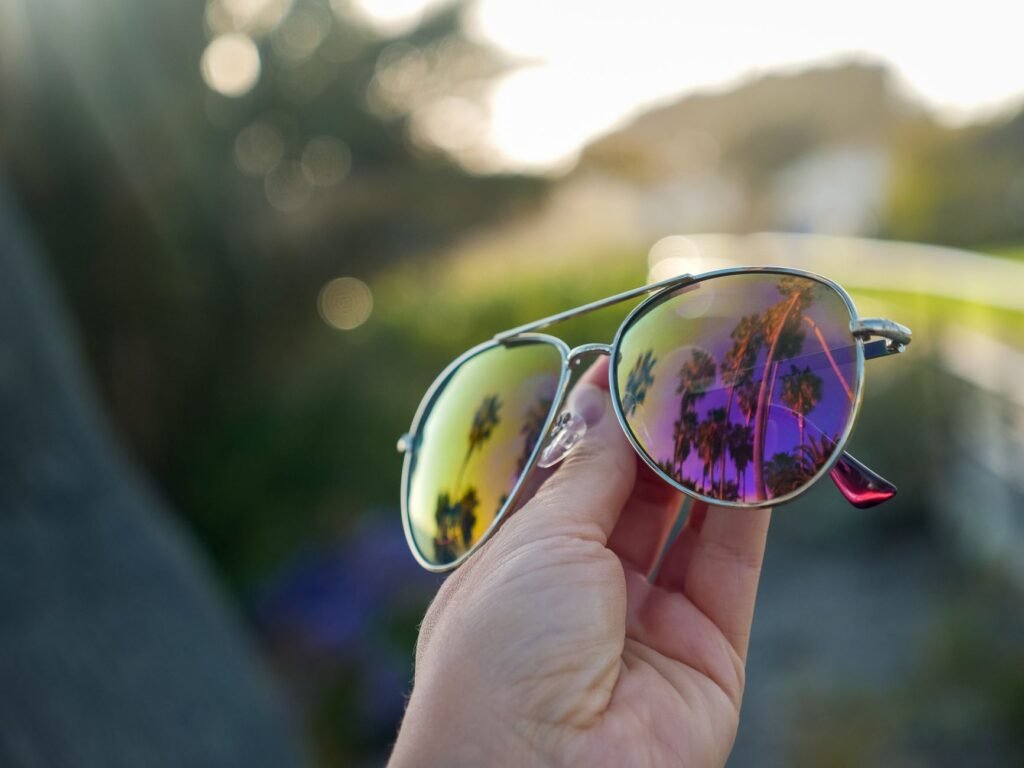
- Aviators: Originally designed for pilots, aviators feature a teardrop shape that complements a variety of face shapes. Their lightweight design and reflective lenses provide a classic, cool look.
- Wayfarers: With a distinctive trapezoidal frame, wayfarers are a timeless choice that can be dressed up or down. They suit most face shapes and are available in many colors and materials.
- Round Sunglasses: These retro-inspired frames work well on square or angular faces. They add a touch of vintage charm and are often seen in both casual and formal styles.
- Sport Sunglasses: Designed for active lifestyles, sport sunglasses often come with features like wrap-around frames and impact-resistant lenses. They are perfect for outdoor activities such as cycling or running.
- Clubmasters: Combining the top frame of aviators with the bottom of wayfarers, clubmasters offer a sophisticated look that works well for both casual and formal occasions.
- Oversized Sunglasses: These are bold and stylish, providing extra coverage and a dramatic look. They can frame the face beautifully and are often favored by fashion-forward individuals.
Choosing the Right Lens Type
When selecting sunglasses, the lens type is just as important as the frame. Different lenses offer varying levels of protection and performance, depending on your needs. Here’s a breakdown of the most common lens types:
- Polarized Lenses: Ideal for reducing glare, polarized lenses are perfect for activities like driving or fishing. They help improve visibility and reduce eye strain caused by bright reflections.
- UV Protection: Look for sunglasses labeled with 100% UV protection. These lenses block harmful UVA and UVB rays, which can damage your eyes over time.
- Photochromic Lenses: These lenses adjust their tint based on light exposure. They darken in bright sunlight and clear up indoors, providing versatility for those who transition between environments frequently.
- Mirrored Lenses: Featuring a reflective coating, mirrored lenses can reduce glare and provide a stylish look. They are often preferred for outdoor sports and activities.
- Gradient Lenses: These lenses transition from darker at the top to lighter at the bottom, providing some sun protection while allowing for a clear view of the surroundings. They are great for driving.
Face Shapes and Sunglasses
Choosing sunglasses that complement your face shape can significantly enhance your appearance. Here’s how different styles can suit various face shapes:
- <strongOval Face: Almost any style works well, but square or rectangular frames can add definition.
- Round Face: Angular frames, such as wayfarers or square styles, can add structure and elongate the appearance of the face.
- Square Face: Round or oval sunglasses can soften the strong angles of a square face.
- Heart-Shaped Face: Look for frames that are wider at the bottom, such as aviators or butterfly styles, to balance the narrow chin.
- Diamond Face: Oval and cat-eye shapes can accentuate the cheekbones and soften the forehead.
Understanding your face shape will help you make a decision that not only looks good but feels good as well. For example, a friend of mine with a heart-shaped face found that aviators complemented his features beautifully, providing balance and style during a summer road trip.

Finding the Right Fit
Comfort is key when it comes to sunglasses. A well-fitting pair will not only look better but will also ensure that you are protected from the sun. Consider the following tips when assessing fit:
- Frame Width: The frames should fit snugly without pinching your temples or sliding down your nose. If they are too wide, they can let in light from the sides.
- Nose Pads: Adjustable nose pads can help achieve a more comfortable and secure fit, especially for those with different nose shapes.
- Temple Length: The temples should curve comfortably behind your ears. If the temples are too short, the sunglasses may fall off; if they are too long, they may dig into your head.
To test the fit, wear the sunglasses for a few minutes. They should feel secure without discomfort, and you should be able to see clearly without distortion. If you find yourself constantly adjusting them, it might be worth exploring another style or size.
Taking Care of Your Sunglasses
Proper maintenance can prolong the life of your sunglasses and keep them looking their best. Here are some care tips:
- Cleaning: Use a microfiber cloth to clean your lenses, as paper towels or rough fabrics can scratch them. Avoid using household cleaners that can damage the lens coatings.
- Storage: Store your sunglasses in a protective case when not in use. This prevents scratches and damage from accidental drops.
- Avoid Extreme Temperatures: Do not leave your sunglasses in places like your car on a hot day, as extreme heat can warp the frame and lenses.
Regularly checking for any signs of wear, such as loose screws or scratches, will help you maintain their functionality and appearance. This simple routine can save you from costly replacements down the line.

Latest Trends in Sunglasses
The world of sunglasses is always evolving, with new trends emerging each season. Here are some current styles and innovations to look out for:
- Eco-Friendly Materials: Many brands are now offering sunglasses made from sustainable materials, appealing to environmentally conscious consumers.
- Retro Styles: Vintage-inspired frames, such as cat-eyes and oversized designs, are making a comeback, appealing to those who appreciate a classic aesthetic.
- Smart Sunglasses: Technological advancements have led to the development of smart sunglasses equipped with features like audio capabilities and augmented reality, appealing to tech enthusiasts.
Staying updated with the latest trends can help you choose a pair that not only suits your personal style but also reflects current fashion movements. For example, a friend recently purchased eco-friendly sunglasses that not only looked great but also contributed to a sustainable cause.
Top Materials for Sunglasses Frames
Plastic Frames
Plastic frames, particularly those made from polycarbonate or nylon, are lightweight and durable. They are resistant to impact and can withstand the rigors of daily wear, making them ideal for active lifestyles. Additionally, plastic frames often come in a variety of colors and styles, allowing for personal expression. However, they may not have the same premium feel as metal frames.
Metal Frames
Metal frames are known for their strength and elegance. Materials such as stainless steel, titanium, and aluminum offer a sleek appearance while providing durability. Titanium is particularly noteworthy for its lightweight nature and resistance to corrosion. Metal frames can also be adjusted easily to fit snugly, which is a plus for comfort. However, they may be more susceptible to bending or breaking if not treated carefully.
Wood and Bamboo Frames
Wood and bamboo sunglasses are gaining popularity due to their eco-friendly appeal and unique aesthetic. Each pair has a distinct look, as the grain of the wood varies, making them one-of-a-kind. These frames tend to be lightweight and comfortable to wear. However, it’s essential to consider their maintenance needs, as wood can be more susceptible to water damage if not properly sealed.
- Advantages of Plastic: Lightweight, vibrant colors, affordable.
- Advantages of Metal: Durable, adjustable, elegant designs.
- Advantages of Wood: Eco-friendly, unique, lightweight.
Polarization vs. Non-Polarization: Making the Right Choice
Understanding Polarization
Polarized lenses reduce glare from reflective surfaces, such as water, roads, and snow. This feature is particularly beneficial for those who spend time outdoors or engage in activities like fishing, boating, or driving. The lenses contain a special chemical film that filters out horizontal light waves, providing clearer vision and reducing eye strain. For individuals sensitive to glare, polarized sunglasses can significantly enhance comfort and visibility.
Who Should Choose Non-Polarized Lenses?
Non-polarized lenses might be a better choice for specific activities or preferences. For example, those who enjoy sports like skiing or snowboarding might prefer non-polarized lenses as they allow for better depth perception on snowy terrains. Additionally, non-polarized lenses are often less expensive and come in a wider variety of styles and colors. However, they may not offer the same level of glare reduction as polarized lenses.
Key Considerations for Lens Selection
When deciding between polarized and non-polarized lenses, consider the following factors:
- Your primary activities (e.g., driving, water sports, casual wear).
- Budget constraints, as polarized lenses can be pricier.
- Your personal comfort with glare and brightness.

Sunglasses for Different Activities
Sunglasses for Sports
When choosing sunglasses for sports, functionality is paramount. Look for features such as wrap-around designs that provide better coverage against wind and debris. Additionally, sports sunglasses often come with interchangeable lenses for varying light conditions. Brands often incorporate anti-fog technology and non-slip grips to keep them secure during intense activities. Specialized sports sunglasses can enhance performance and protect your eyes, making them a worthwhile investment.
Sunglasses for Outdoor Adventures
For outdoor enthusiasts, sunglasses should be rugged yet lightweight. Look for options with impact-resistant lenses and durable frames that can withstand the elements. UV protection is crucial, particularly in high-altitude environments where the sun’s rays are more intense. Some brands offer sunglasses with photochromic lenses that adjust to changing light conditions, providing versatility for various activities such as hiking, climbing, or cycling.
Everyday Sunglasses
For daily wear, comfort and style are essential. Classic designs like aviators or wayfarers are timeless and can easily transition from casual to formal settings. Look for sunglasses that offer good UV protection while being comfortable enough for extended wear. Consider features like scratch-resistant coatings or polarized lenses for added functionality. Everyday sunglasses should enhance your style while providing essential eye protection.
- Features for Sports Sunglasses: Wrap-around design, interchangeable lenses, anti-fog technology.
- Features for Outdoor Sunglasses: Impact-resistant lenses, lightweight frames, UV protection.
- Features for Everyday Sunglasses: Classic designs, comfort, scratch-resistant coatings.
Frequently Asked Questions
What should I look for when buying sunglasses?
Look for UV protection, lens quality, and a style that complements your face shape. Ensure they fit well and are comfortable for long wear.
Are expensive sunglasses worth it?
While not all expensive sunglasses guarantee better quality, higher-priced options often offer superior materials, better UV protection, and more stylish designs.
Can I wear sunglasses indoors?
While sunglasses are primarily designed for outdoor use, some styles can be worn indoors, particularly if you are sensitive to bright lights.
How often should I replace my sunglasses?
Replace your sunglasses when they show signs of significant wear, such as scratches on the lenses or loose frames. Regularly check for damage to ensure optimal protection.
The Bottom Line
Selecting the best sunglasses for men involves understanding styles, lens options, and finding the right fit. By considering your face shape, lifestyle, and personal preferences, you can choose a pair that not only protects your eyes but also enhances your overall style. With the right information and care, your sunglasses can be a stylish and functional accessory for years to come.