











































Key Takeaways
- Understand baby size charts for accurate fitting.
- Consider growth patterns when selecting sizes.
- Pay attention to fabric types for comfort.
- Opt for adjustable features in baby clothing.
Choosing the right baby clothing size can be a daunting task for new parents. Babies grow rapidly, and selecting the correct size is crucial not only for comfort but also for ensuring the longevity of the outfits you purchase. This guide will provide you with all the necessary information to make informed decisions when shopping for baby clothes, helping you navigate size charts, understand growth patterns, and consider fabric options.
When it comes to baby clothing, sizes can vary significantly between brands and categories. A newborn outfit from one brand may fit differently than another, making it essential to understand how to measure your baby and interpret size guidelines. This guide will help you identify the right sizes based on measurements, age, and other important factors.
By the end of this guide, you will feel confident in your ability to choose the right clothing size for your little one, ensuring they are comfortable and stylish as they grow. Let’s start by exploring the basics of baby clothing sizes.
Understanding Baby Clothing Sizes
Baby clothing sizes are typically categorized by age, weight, and height. Most brands will provide a size chart that outlines these categories, but it’s important to note that there is no universal sizing standard across all brands.
For example, a size labeled as 0-3 months may correspond to different weight and height ranges depending on the manufacturer. Here are common size categories you may encounter:
- Newborn (NB): Usually for babies weighing up to 7-8 pounds.
- 0-3 Months: Typically fits babies 8-12 pounds and up to 24 inches tall.
- 3-6 Months: Usually for babies 12-16 pounds and 24-26 inches tall.
- 6-9 Months: Designed for babies 16-20 pounds and 26-28 inches tall.
- 9-12 Months: Fits babies 20-24 pounds and 28-30 inches tall.
When shopping for baby clothes, always refer to the specific brand’s size guide, as the measurements can vary. Many parents find it useful to keep a record of their baby’s growth to anticipate size changes.

Measuring Your Baby for the Right Fit
To ensure you are selecting the proper size, it’s essential to measure your baby accurately. Here’s how you can do that:
- Height Measurement: Lay your baby flat on their back on a soft surface. Use a tape measure or ruler to measure from the top of their head to their heels. This will give you the height measurement needed for sizing.
- Weight Measurement: Weigh your baby using a baby scale. Make sure to record this weight as it will help you select the right size based on weight guidelines provided by brands.
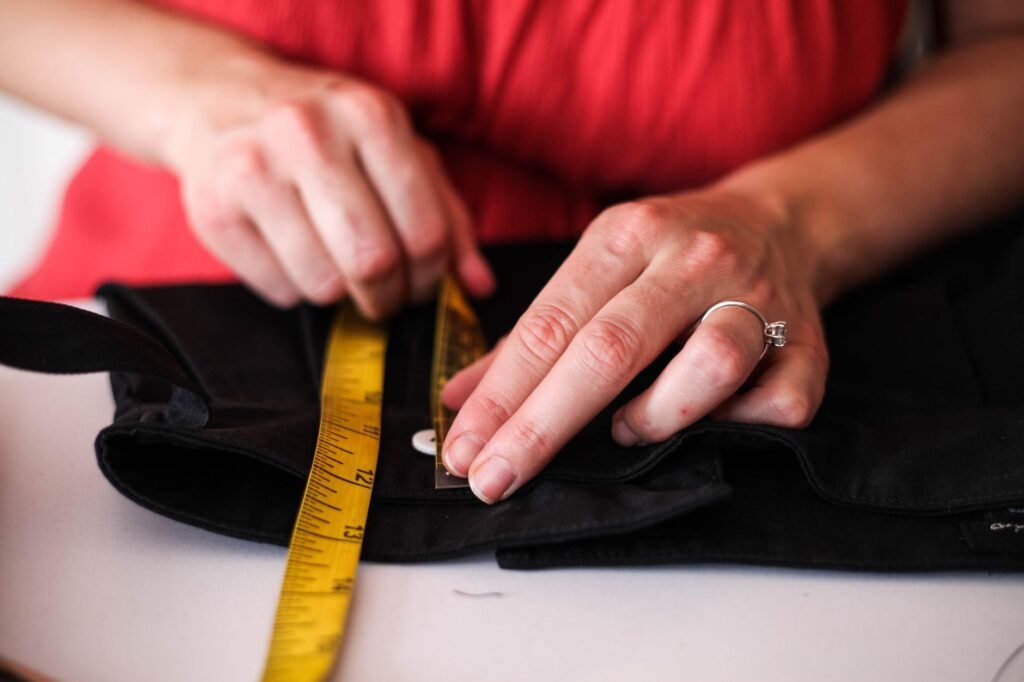
- Chest and Waist Measurement: To measure the chest, wrap a flexible measuring tape around the widest part of the chest, just under the arms. For the waist, measure around the smallest part of the torso. These measurements help in selecting fitted clothing.
By taking these measurements, you will be equipped with the data needed to consult size charts effectively. If you are unsure between two sizes, it is often better to size up for comfort and growth.
Considering Growth Patterns
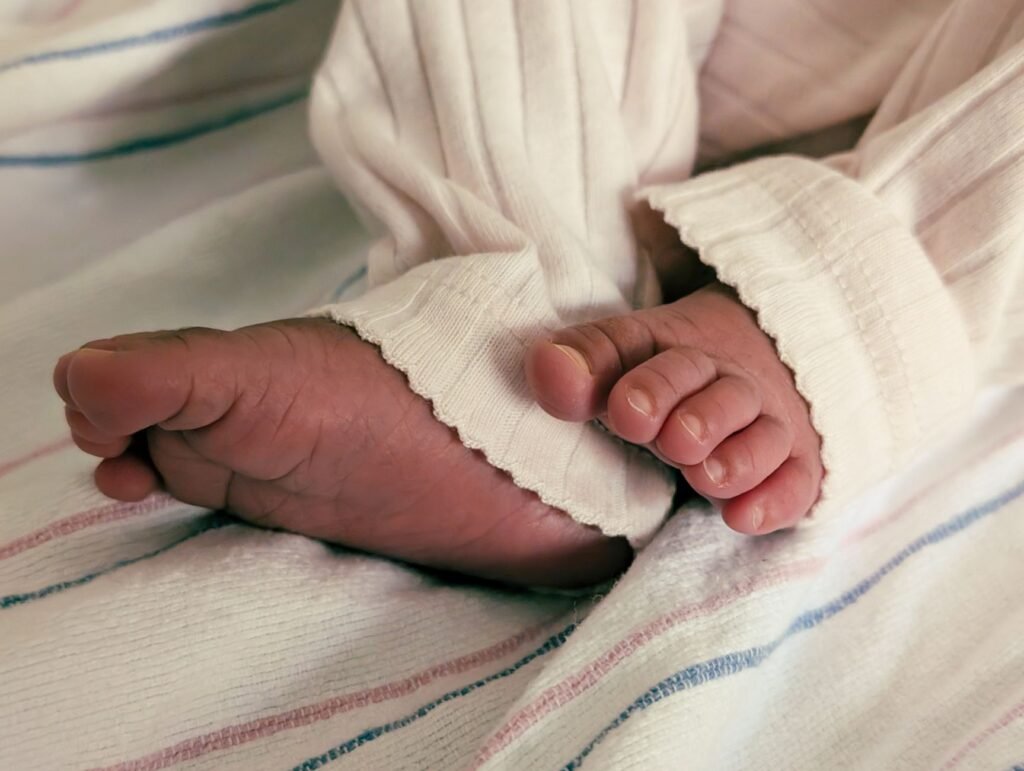
Understanding your baby’s growth patterns is crucial when selecting clothing sizes. Babies grow at different rates, and factors such as genetics, nutrition, and overall health can influence their growth. Here are some considerations:
- Growth Spurts: Babies often experience rapid growth spurts, especially during the first year. It’s common for a baby to outgrow clothes quickly, sometimes within weeks.
- Seasonal Clothing: Consider the season when purchasing clothes. If your baby is currently in 3-6 months size but will likely grow into 6-9 months during winter, it might be wise to purchase winter clothing in the larger size.
- Type of Clothing: Outfits with adjustable features, such as elastic waistbands or snap closures, can accommodate a growing baby better than fixed-size garments.
Keeping an eye on your baby’s growth can help you plan for future clothing purchases. Regularly check in on their height and weight to see if it may be time to move up a size.
Choosing the Right Fabric
The fabric of baby clothing plays a significant role in comfort and suitability for your baby’s sensitive skin. Here are some fabric types to consider:
- Cotton: Soft, breathable, and hypoallergenic, cotton is a popular choice for baby clothing. It helps keep babies comfortable and minimizes the risk of skin irritation.
- Bamboo: This eco-friendly fabric is incredibly soft and has natural moisture-wicking properties. It’s great for keeping babies cool in summer and warm in winter.
- Wool: Ideal for colder climates, wool is warm and breathable but should be used with caution as some babies may be sensitive to it.
When selecting clothing, always check the care instructions. Some fabrics may require special washing conditions to maintain their quality. Additionally, look for items that are machine washable and durable, as baby clothes will go through frequent washes.
Shopping Tips for Baby Clothing
Shopping for baby clothes can be overwhelming with all the options available. Here are some practical tips to make the process easier:
- Buy Versatile Pieces: Opt for clothing that can be mixed and matched, allowing you to create multiple outfits from a few key pieces. Neutral colors and simple patterns are great for this.
- Invest in Essentials: Focus on essential items like onesies, sleep sacks, and comfortable pants. These will form the base of your baby’s wardrobe and are often the most worn.
- Look for Sales and Discounts: Baby clothes can be pricey, especially as babies grow quickly. Look for sales, discounts, or consider shopping at thrift stores where gently used baby items can be found.
Taking the time to shop wisely can save you money and ensure your baby has a functional, stylish wardrobe.
Understanding Baby Clothing Size Labels
Common Size Labels and Their Meaning
When selecting baby clothing, it’s essential to understand the various size labels used by different brands. Most baby clothes are labeled with sizes based on age, such as ‘0-3 months’, ‘3-6 months’, and so on. However, these labels can sometimes be misleading as babies grow at different rates. For example, a 3-month-old may fit into clothing designed for 6-month-olds, depending on their growth. It is crucial to read the size charts provided by each brand to find the best fit.
Additionally, some brands use weight and height measurements rather than just age. This method can provide a more accurate fit since babies can vary significantly in size at the same age. Understanding these labels can help you avoid common pitfalls in sizing.
Regional Differences in Sizing Standards
It’s important to note that clothing sizes may differ significantly across regions. For instance, European sizes often run smaller than U.S. sizes, and this can create confusion for parents shopping internationally. If you are purchasing clothing from a brand based in a different country, check their size conversion chart to ensure you’re selecting the correct size.
- U.S. Sizes: Typically based on age, but varies by brand.
- European Sizes: Often indicated by numbers corresponding to height in centimeters.
- UK Sizes: Similar to U.S. sizes but may have slight variations.
How Brands Vary in Sizing
Another factor to consider is that each brand may have its unique sizing standards, which can lead to discrepancies in fit. One brand’s ‘6-9 months’ clothing may fit differently than another brand’s. To navigate this, it’s advisable to familiarize yourself with the specific sizing charts of the brands you prefer. Many brands offer customer reviews that include feedback on sizing, which can provide insight into how their clothes fit in real life.
When in doubt, consider purchasing a size larger and using adjustable features, such as elastic waistbands, to ensure a comfortable fit as your baby grows.
Tips for Selecting Seasonal Baby Clothing
Understanding Seasonal Needs
Choosing baby clothing that corresponds with the season is vital for your child’s comfort. In warmer months, lightweight, breathable fabrics such as cotton should be prioritized, whereas, in colder months, layering is key. Select items like bodysuits, sleep sacks, and sweaters that can be layered to keep your baby warm without overheating.
Additionally, consider the climate of your region. If you live in an area with extreme temperatures, it may be wise to choose clothing that is versatile enough to be worn in varying weather conditions, such as items that can transition from day to night.
- Spring/Summer: Look for short-sleeved bodysuits, shorts, and lightweight dresses.
- Fall/Winter: Opt for long-sleeved onesies, thicker fabrics, and outerwear like jackets and hats.
- Transitional Seasons: Layered clothing options can work well in fluctuating temperatures.
Choosing Appropriate Layering Techniques
Layering is essential for dressing babies, especially in transitional seasons. Start with a soft base layer, such as a cotton onesie, and add a mid-layer like a lightweight sweater or cardigan. Finally, finish with an outer layer if it’s chilly, such as a warm coat or snowsuit. This strategy allows you to adjust your baby’s clothing throughout the day as temperatures change.
Be mindful of the fabric types for each layer. Choose breathable materials for the base layer to maintain comfort while using warmer fabrics for outer layers. Avoid bulky clothing that may restrict movement, as comfort should always be a priority.
Essential Seasonal Accessories
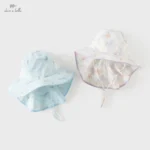
Accessorizing can play a significant role in keeping your baby comfortable throughout the year. During summer, sun hats and UV-protective clothing can shield your baby’s delicate skin from harmful rays. In winter, look for cozy mittens, booties, and hats to keep extremities warm.
- Summer Accessories: Sun hats, sunglasses, and lightweight blankets.
- Winter Accessories: Warm hats, scarves, booties, and mittens.
- Transitional Accessories: Lightweight jackets and breathable wraps.
Considerations for Special Occasions
Choosing Outfits for Milestones and Events
Special occasions such as birthdays, holidays, and family gatherings require thoughtful outfit choices. Consider the event’s formality when selecting attire. For casual family gatherings, a simple and comfortable outfit may suffice. However, for more formal events, you may want to dress your baby in something that reflects the occasion, such as a cute dress or a smart outfit.
When selecting outfits for milestones like first birthdays or family portraits, consider both style and comfort. Babies can be unpredictable, so choose garments that allow for movement and won’t irritate their sensitive skin.
- Casual Events: Comfortable onesies and soft pants.
- Formal Events: Dresses or suits with soft linings.
- Milestone Celebrations: Outfits that can accommodate mess, like bibs and easy-to-remove garments.
Practical Considerations for Special Occasions
When dressing your baby for special occasions, practicality should not be overlooked. Choose clothing that is easy to put on and take off, especially if you anticipate frequent diaper changes. Look for features such as snap buttons for easy access and stretchy fabrics that allow for comfortable movement.
Additionally, consider how the clothing will perform during the event. If you expect your baby to be active, opt for outfits that can withstand crawling or playing. If the event involves food, choose fabrics that are easy to clean or resistant to stains.
Gifting Baby Clothing for Special Occasions
If you’re considering gifting baby clothing for special occasions, think about versatility and practicality. Opt for items that can be mixed and matched, allowing parents to create multiple outfits from a few pieces. Consider gifting a set that includes essentials like bodysuits, pants, and hats, which can be invaluable for new parents.
- Versatile Sets: Outfits that can be layered or combined.
- Gift Cards: Allow parents to choose sizes and styles that suit their baby.
- Customized Options: Personalized clothing can add a special touch.
Frequently Asked Questions
How do I know when to size up for my baby?
Signs that your baby may need a size up include difficulty snapping buttons, fabric pulling at the seams, or visible signs of discomfort when wearing garments. Regularly checking your baby’s height and weight can help you determine when it’s time for a change.
Are there specific brands known for accurate baby sizing?
Some brands tend to be more consistent with their sizing, but it’s always best to refer to the specific size chart provided by the brand you are considering. Brands like Carter’s and Gerber are often recommended for reliable sizing.
What should I prioritize when buying baby clothing?
Comfort, ease of dressing, and fabric quality are essential when buying baby clothing. Look for soft materials, easy closures, and garments that allow for movement.
Is it worth buying clothes for the next size up?
Yes, especially for seasonal clothing. Buying one size up can ensure your baby has outfits ready for upcoming months, but be cautious not to buy too far in advance as sizes can vary greatly.
The Bottom Line
Choosing the right baby clothing size is essential for comfort and practicality. By understanding size charts, measuring your baby accurately, considering growth patterns, and selecting appropriate fabrics, you can make confident purchasing decisions. Remember to shop wisely and focus on versatile and essential items to build a functional wardrobe for your little one.