


































































Key Takeaways
- Proper storage prevents makeup from spoiling.
- Understanding product types helps in storage decisions.
- Temperature and light are key factors in storage.
- Regular organization keeps your makeup collection fresh.
Makeup is an essential part of many people’s daily routines, enhancing beauty and boosting confidence. However, storing makeup properly is often overlooked. When not stored correctly, products can spoil, lose effectiveness, or even become unsafe to use. Understanding how to store makeup properly is crucial for maintaining the quality and longevity of your favorite items.
This guide will provide practical tips and insights on best practices for makeup storage, helping you get the most out of your beauty products. From understanding the types of products you own to utilizing the right storage solutions, we’ll cover it all.
Let’s explore how to store makeup properly to keep your collection in top shape.
Understanding Different Makeup Products
Before diving into storage techniques, it’s essential to understand the different types of makeup products. Each type has unique storage requirements based on its formulation and packaging. Let’s break it down:
1. Liquid Products
Liquid makeup products, such as foundations, concealers, and liquid eyeliners, typically have a shorter shelf life due to their water content. They are prone to bacterial growth if stored improperly. Keeping them sealed tightly and in a cool, dry place is essential.
Additionally, exposure to air can alter their formulations. For instance, if a foundation is left open, it may dry out or separate. To effectively store liquid products, consider:
- Storing in a dark cabinet or drawer to minimize light exposure.
- Keeping them upright to prevent leaks.
- Avoiding high humidity areas like bathrooms.
2. Powder Products
Powder products, including blush, eyeshadow, and setting powders, are generally more stable than liquids but can still degrade over time. Moisture and heat can cause them to clump or harden.
To ensure your powders stay fresh:
- Store them in a dry, cool environment.
- Keep lids tightly closed to prevent moisture from entering.
- Consider using silica gel packets in storage areas to absorb excess moisture.
3. Cream Products
Cream blushes, highlighters, and eyeshadows require careful storage as they can dry out or become contaminated more quickly than powders. They should be stored similarly to liquid products.
Key storage tips for cream products include:
- Using airtight containers if the original packaging is damaged.
- Placing them in a cool area away from direct sunlight.
- Regularly checking for changes in texture or smell as indicators of spoilage.

Optimal Storage Conditions
Once you understand the types of makeup products you have, the next step is to consider the optimal storage conditions. The right environment can significantly impact the longevity of your makeup.
1. Temperature Control
Temperature plays a crucial role in makeup preservation. Most makeup products should be stored between 60°F to 75°F (15°C to 24°C). Extreme temperatures can cause products to break down, change consistency, or lose efficacy.
For example, storing foundation in a hot car or near a heater can cause it to separate. Conversely, keeping products in a fridge might seem beneficial, but it can create condensation that affects texture and performance.
2. Light Exposure
Light, especially sunlight, can degrade makeup products over time. UV rays can alter colors, break down ingredients, and reduce shelf life. Therefore, it’s best to store makeup in a dark drawer or cabinet.
If you prefer displaying your makeup for easy access, consider using acrylic organizers that shield products from direct light exposure.
3. Humidity Levels
High humidity can lead to mold growth and spoilage, particularly in cream and liquid products. Avoid storing makeup in bathrooms where humidity levels fluctuate with showers and baths.
Instead, choose a dry, ventilated area to maintain optimal humidity levels. If you must store products in a more humid environment, using dehumidifiers or silica gel packets can help control moisture.
Choosing the Right Storage Solutions
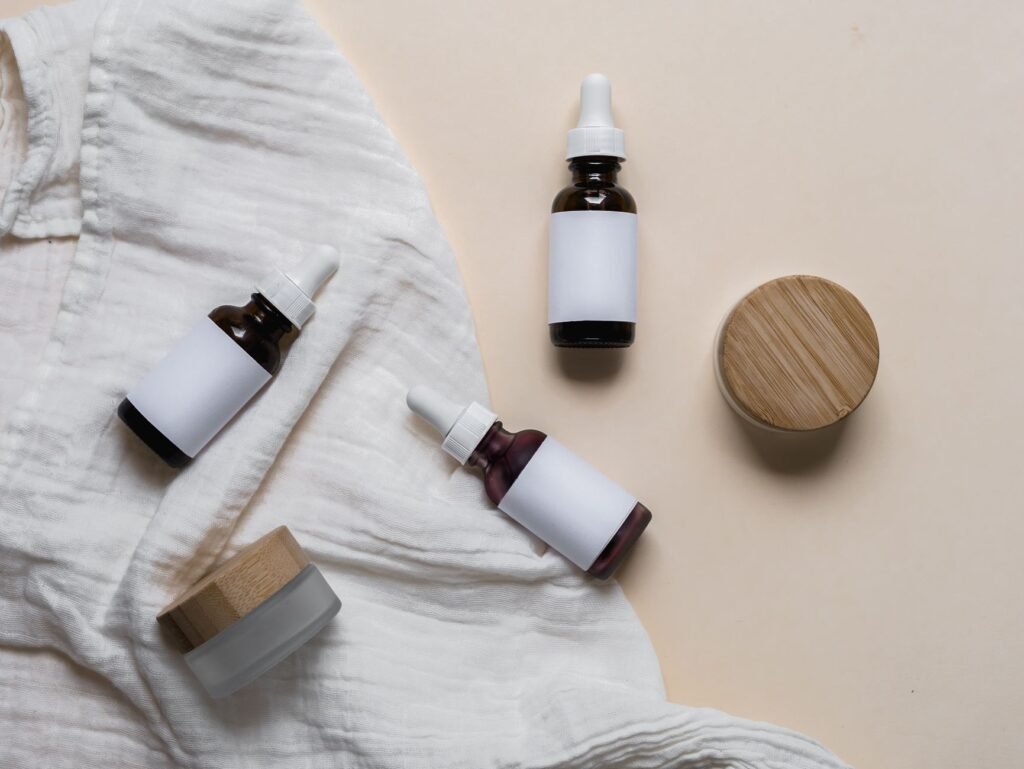
After determining the ideal conditions for your makeup, selecting appropriate storage solutions is the next step. The right organization can enhance accessibility and protect your products.
1. Makeup Organizers
Makeup organizers come in various styles, including drawers, trays, and caddies. They not only keep your products organized but also protect them from dust and damage.
Consider investing in:
- Acrylic organizers for visibility and easy cleaning.
- Drawer dividers to separate different product types.
- Rotating caddies for quick access to frequently used items.
2. Travel Cases
If you’re on the go or need to transport your makeup, travel cases are essential. Look for cases that provide compartments and padding to prevent breakage.
When choosing a travel case, consider:
- Size: Ensure it fits your makeup essentials without being overly bulky.
- Material: Opt for durable materials that can withstand travel.
- Water resistance: A waterproof case can protect against spills and moisture.
3. DIY Storage Solutions
For those looking for budget-friendly options, DIY storage solutions can be effective. Reusing containers, jars, or boxes can create unique organizers tailored to your needs.
Some creative ideas include:
- Using mason jars to store brushes and pencils.
- Repurposing shoe boxes for larger palettes.
- Creating a tiered shelf using old cake stands for easy access.
Regular Maintenance and Organization
Storing makeup properly isn’t just a one-time effort. Regular maintenance is crucial to ensure your products remain in good condition and your collection stays organized.
1. Regular Cleaning
Cleaning your makeup tools and storage areas is essential to prevent contamination. Regularly wipe down storage containers and organizers to remove dust and debris.
Additionally, clean makeup brushes and applicators at least once a week to prevent the buildup of bacteria. Using a gentle brush cleaner or mild soap can keep them in optimal condition.
2. Expiration Checks
Makeup products have expiration dates, and it’s important to check them regularly. Most products will have a PAO (Period After Opening) symbol indicating how long they remain safe to use after opening.
Discard any products that show signs of spoilage, such as changes in texture, smell, or color. Keeping a log or reminder for checking expiration dates can help maintain your collection’s integrity.
3. Reorganizing Periodically
Over time, your makeup collection may grow or change. Regularly reorganizing your makeup can help you assess what you use, what you can let go of, and how to optimize your space.
Consider setting aside time every few months to go through your products, declutter, and reorganize. This practice not only helps in maintaining your makeup but also enhances your daily routine by ensuring you can easily find what you need.
Understanding Expiration Dates and Shelf Life
The Importance of Expiration Dates
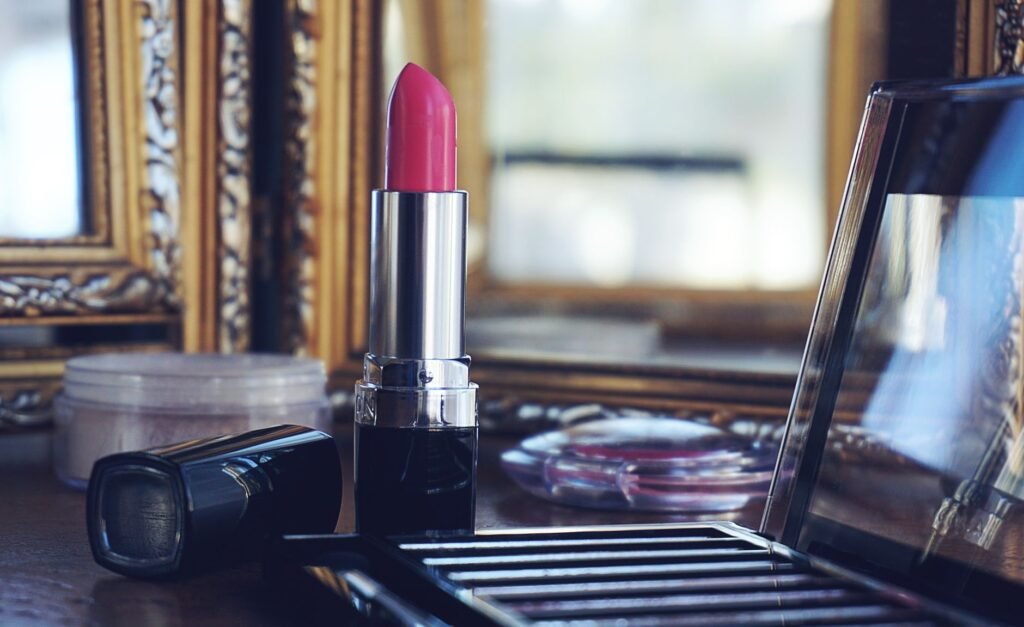
Every makeup product comes with an expiration date which is crucial for ensuring your skin’s health. Using expired products can lead to skin irritations or infections. It’s essential to familiarize yourself with these dates to avoid potential adverse effects. Many cosmetic brands indicate a ‘period after opening’ (PAO) symbol, which shows how long the product is safe to use once opened. For instance, a product with a PAO of 12M is safe for 12 months after opening.
How to Determine Shelf Life
While many products have a printed expiration date, some do not. In such cases, understanding the general shelf life of different types of makeup can be beneficial. Here’s a quick reference list for common makeup products:
- Liquid foundation: 1 year
- Powder foundation: 2 years
- Lipstick: 1-2 years
- Mascaras: 3-6 months
- Eye shadow: 2 years
It’s also worth noting that factors such as exposure to air and moisture can accelerate the degradation of makeup. Always check for changes in texture, smell, or color to ensure your products are still good to use.
Signs That Makeup Has Expired
Identifying expired makeup is not always straightforward. However, there are several tell-tale signs to look for. First, check for changes in the product’s texture; if it has separated or become overly thick, it’s likely past its prime. A change in color or an unpleasant odor are also indicators that the product should be discarded. For cream-based products, such as foundation or concealer, any signs of mold or unusual clumping are clear signs that they should not be used.
Traveling with Makeup: Tips for Safe Storage
Choosing the Right Travel Case
When traveling, selecting the right makeup case can make all the difference in ensuring your products remain safe and intact. Look for a case that is sturdy, has compartments, and is lined with material that is easy to clean. A case with a hard exterior will protect your makeup from being crushed, while interior dividers help keep products organized and prevent them from mixing.
Protecting Fragile Items
Some makeup items, such as glass bottles or compacts, are particularly fragile. To prevent breakage, wrap these items in soft materials such as a small towel or bubble wrap. Placing them in a padded section of your travel case helps absorb shocks during transit. Additionally, consider using travel-sized versions of your favorite products to save space and reduce the risk of damage.
Managing Temperature and Humidity
Traveling can expose your makeup to varying temperatures and humidity levels, which can negatively impact its quality. To protect against extreme conditions, avoid leaving your makeup in hot cars or direct sunlight. If you expect to be in a humid environment, consider using a portable dehumidifier or silica gel packs in your makeup case to absorb excess moisture. Here’s a list of tips to maintain ideal conditions for your makeup while traveling:
- Avoid direct sunlight exposure when possible.
- Use insulated bags for temperature-sensitive items.
- Store liquid products upright to prevent leaks.
DIY Makeup Storage Solutions
Repurposing Household Items
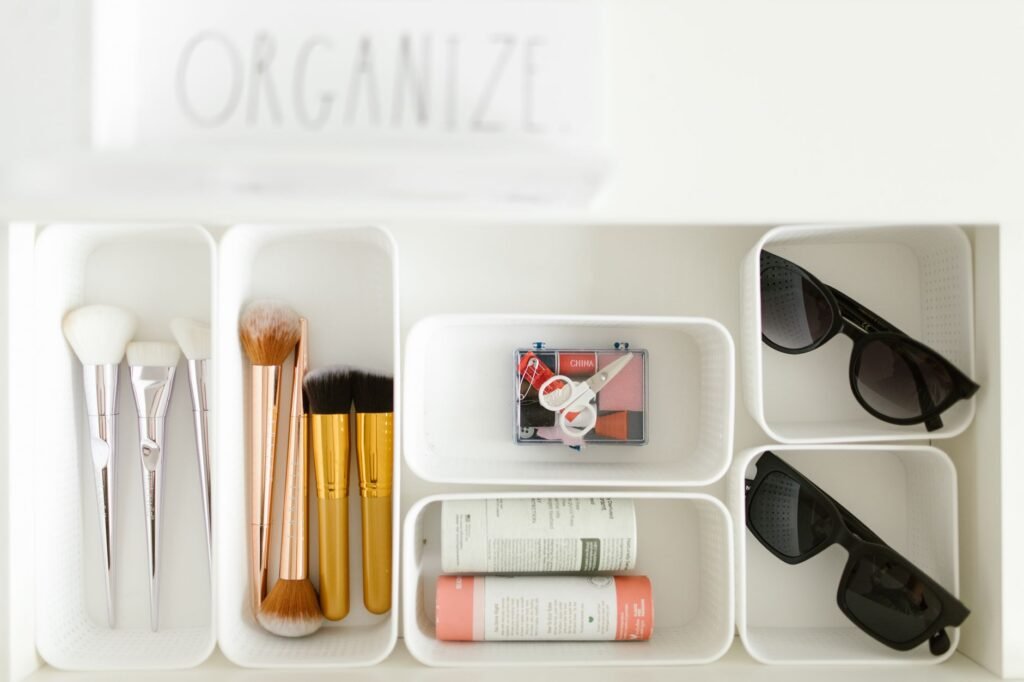
Transforming everyday household items into makeup storage solutions is both eco-friendly and creative. For instance, consider using a small drawer organizer to separate your lipsticks and glosses. An old spice rack can work wonders for storing nail polishes or small palettes. Be sure to clean and sanitize any repurposed items to avoid contamination.
Creating Custom Makeup Stations
If you have space available, consider designing a dedicated makeup station. This could be as simple as a small desk with a mirror or a more elaborate setup with shelves and organizers. Customizing the space to fit your needs allows for better organization and makes your makeup routine more enjoyable. Use clear bins or acrylic organizers to make products easy to find and to prevent clutter.
Incorporating Labels for Easy Identification
Labeling your makeup storage can significantly enhance organization. Use a label maker or handwritten tags to identify the contents of each bin or drawer. This is especially useful if you have multiple shades of similar products. Here’s how to label effectively:
- Group similar products together for easy access.
- Color-code labels based on product type (e.g., eyes, lips, face).
- Include the expiration date on the label for quick reference.
Frequently Asked Questions
1. How long can I keep my makeup products?
The shelf life of makeup varies by product type. Typically, liquid products last for 6 to 12 months, while powders can last up to 2 years. Always refer to the PAO symbol for guidance.
2. Can I store makeup in the fridge?
While some people store makeup in the fridge to prolong freshness, it’s not always recommended. Cream and liquid products can be sensitive to temperature changes and condensation. Stick to a cool, dark cabinet for best results.
3. What should I do if my makeup product changes consistency?
If a product changes consistency, color, or smell, it’s best to discard it. Using compromised products can lead to skin irritation or infections.
4. How can I tell if my makeup has expired?
Signs of expiration include changes in texture, smell, or color. Check for any visible mold or separation in liquid products. If in doubt, it’s safer to discard the product.
The Bottom Line
Storing makeup properly is vital for maintaining the quality and safety of your products. By understanding the types of makeup, ensuring optimal storage conditions, choosing the right solutions, and committing to regular maintenance, you can enhance the longevity of your collection. With these tips, you’ll ensure that your favorite beauty products remain effective and enjoyable to use for as long as possible.