







































































Key Takeaways
- Explore different types of baby bottles available.
- Learn about essential accessories for feeding.
- Consider materials and features that benefit your baby.
- Get practical tips for choosing the right products.
When it comes to caring for a newborn, feeding is one of the most important tasks. Parents often find themselves overwhelmed by the multitude of options available for baby bottles and their accessories. Choosing the right products can significantly impact your baby’s feeding experience, making it crucial to understand what’s out there. This guide aims to simplify your search for the best baby bottles and accessories, providing insights into various types and their features.
From classic designs to innovative solutions, the market offers a range of baby bottles that cater to different needs. Whether you’re looking for bottles suitable for breastfed babies or those that help with colic, understanding the pros and cons of each can help you make an informed choice. Additionally, accessories like bottle brushes, sterilizers, and storage bags are essential for maintaining hygiene and convenience.
In this article, we’ll explore the best baby bottles and accessories, highlighting key features and benefits to ease your decision-making process. We will also provide practical tips and insights from everyday parenting experiences to help guide you as you shop.
Types of Baby Bottles
Choosing the right type of baby bottle is the first step in ensuring a smooth feeding process. Here are some common types you might consider:
- Standard Bottles: These are the most frequently used bottles, available in various materials like plastic, glass, and silicone. They typically come with a standard nipple and are easy to find.
- Wide-Neck Bottles: Designed to mimic the shape of a breast, wide-neck bottles often feature larger openings for easier filling and cleaning. They can be beneficial for breastfed babies transitioning to bottle feeding.
- Anti-Colic Bottles: These bottles are designed with special valves or vents to reduce air intake during feeding, potentially minimizing colic and gas in babies.
- Convertible Bottles: Some bottles can adapt to different stages of your baby’s development, converting from a bottle to a sippy cup as your child grows.
Standard Bottles
Standard bottles are a go-to choice for many parents. They often come in both plastic and glass options, allowing you to select based on preference. Plastic bottles are lightweight and less likely to break, while glass bottles are more durable and easier to clean.
A typical standard bottle will have a variety of nipple flow rates designed for different ages, ensuring that your baby can feed comfortably. Many brands offer these bottles with built-in anti-colic features to enhance feeding experiences.
Wide-Neck Bottles
Wide-neck bottles provide a more natural feeding experience, resembling the breast’s shape. This design can help your baby latch on more easily, especially if they are transitioning from breastfeeding.
The larger opening also makes it easier to fill the bottle with formula or express breast milk, and cleaning is a breeze. Many parents appreciate that wide-neck bottles often come with fewer parts compared to other designs.
Anti-Colic Bottles
If your baby experiences gas or fussiness, anti-colic bottles may be worth considering. These bottles incorporate specialized vents or valves that allow air to escape during feeding, which helps reduce the amount of air swallowed by your baby.
Many brands offer a variety of anti-colic bottles, each with unique features. Some are designed to be angled, promoting a more upright position, while others have built-in systems that ensure constant milk flow without creating vacuum pressure.

Key Features to Consider
When selecting baby bottles, certain features can enhance your experience and your baby’s comfort. Here are some key aspects to keep in mind:
- Material: Baby bottles can be made of plastic, glass, or silicone. Each material has its pros and cons regarding safety, durability, and cleaning ease.
- Nipple Shape and Flow: Different nipple shapes can better suit your baby’s preferences. Additionally, consider the flow rate, as some babies may prefer a faster or slower flow based on their age and feeding style.
- Ease of Cleaning: Bottles with fewer parts are generally easier to clean. Look for bottles that are dishwasher-safe or come with brushes for thorough cleaning.
Material
Choosing the right material for baby bottles is vital. Plastic bottles are lightweight and shatterproof, making them a popular choice for on-the-go parents. However, ensure they are BPA-free to avoid health risks. Glass bottles, while heavier, are often considered safer as they do not contain harmful chemicals and are easier to clean. Silicone bottles are flexible and less likely to break, offering a middle ground between plastic and glass.
Nipple Shape and Flow
The shape of the nipple can affect how easily your baby feeds. Some babies may prefer a more traditional round shape, while others might latch better onto a wider or more breast-like nipple. Flow rates are equally important; newborns typically need a slower flow to avoid choking, while older infants may require a faster flow to satisfy their hunger.
Ease of Cleaning
Cleaning baby bottles thoroughly is essential for your baby’s health. Opt for bottles with wide openings that allow for easy access when scrubbing. Some brands offer bottles designed with fewer parts, reducing the time and effort needed for cleaning. Always ensure that the bottles are dishwasher-safe for added convenience.

Essential Accessories for Baby Bottles
In addition to choosing the right bottles, having the right accessories can make feeding more manageable. Here are some must-have accessories:
- Bottle Brushes: Essential for cleaning, bottle brushes come in various sizes to reach all areas of the bottle and nipple.
- Sterilizers: Keeping bottles sanitized is crucial, especially for newborns. Sterilizers can help eliminate harmful bacteria efficiently.
- Storage Bags: If you plan to express breast milk, storage bags are invaluable for keeping milk fresh and safe.
- Bottle Warmers: These devices are designed to warm milk quickly and safely, ensuring a comfortable feeding experience for your baby.
Bottle Brushes
Bottle brushes are essential for maintaining hygiene. Look for brushes with soft bristles that will effectively clean without scratching the bottle’s interior. Many brushes come with a smaller brush designed specifically for cleaning nipples, ensuring every component of your feeding set-up is spotless.
Some models even feature a stand that allows the brush to air dry, which is a practical addition for busy parents.
Sterilizers
For new parents, sterilizing bottles can be daunting. However, sterilizers simplify the process significantly. You can choose from electric sterilizers, which use steam to kill germs, or microwave sterilizers that are quick and easy to use.
Many sterilizers can accommodate multiple bottles at once, making them a time-saving addition to your baby care routine.
Storage Bags
If you’re expressing breast milk, high-quality storage bags are essential. Look for bags that are pre-sterilized and designed for freezing, as they help preserve milk quality. Many storage bags feature double zippers to prevent leaks, and some even have measurement markings for easy portioning.
Organizing your storage bags in the freezer can make feeding time more efficient, allowing you to thaw only what you need.
Tips for Transitioning to Bottle Feeding
Transitioning from breastfeeding to bottle feeding can be challenging. Here are some tips to help make the process smoother:
- Start Slow: Introduce the bottle gradually. Offer it when your baby is calm and not overly hungry.
- Choose the Right Time: Opt for times when your baby is in a good mood, possibly during a bonding moment.
- Involve Others: Sometimes, babies may refuse a bottle from their breastfeeding parent. Have someone else offer the bottle to encourage acceptance.
- Experiment with Different Bottles: Every baby has preferences, so don’t hesitate to try different bottle types and nipple shapes.
Start Slow
When introducing a bottle, patience is key. You might start by offering the bottle during a time when your baby is not overly hungry. Allow them to explore the bottle without pressure, fostering a positive association with bottle feeding.
Many parents find success by starting with just a few ounces of expressed milk in a bottle and gradually increasing the quantity as their baby becomes more comfortable with the bottle.
Choose the Right Time
Timing can significantly impact the transition. Choose moments when your baby is relaxed and not overly hungry. This approach helps create a stress-free environment, making it easier for your baby to accept the bottle.
Feeding sessions during quiet times, such as after a nap or during cuddle time, can lead to more successful attempts.
Involve Others
Sometimes, babies may refuse a bottle from the breastfeeding parent, as they associate them with nursing. Having another caregiver offer the bottle can sometimes lead to better acceptance. This technique allows your baby to associate the bottle with a different feeding experience.
Be supportive during the transition, providing comfort and encouragement to help your baby adjust to this new feeding method.

Choosing the Right Nipple Flow Rate
Understanding Nipple Flow Rates
When it comes to baby bottles, one of the most crucial aspects is the nipple flow rate. Nipples come in various flow rates, which are designed to accommodate the different sucking abilities of infants as they grow. Newborns typically need a slow flow rate, which allows them to suck and swallow comfortably without choking. As babies develop their feeding skills, you can gradually introduce faster flow rates to match their needs.
Here’s a quick breakdown of common nipple flow rates:
- Slow Flow: Ideal for newborns and very young infants.
- Medium Flow: Suitable for older infants who have developed better sucking strength.
- Fast Flow: Best for toddlers who are more adept at bottle feeding.
Recognizing Signs of an Inappropriate Flow Rate
Choosing the wrong nipple flow rate can lead to feeding challenges. If the flow is too fast, your baby may choke or gag, while a flow that is too slow can frustrate them and lead to fussiness. Look for signs such as excessive dribbling, coughing, or a red face during feeding, which may indicate that the nipple flow rate isn’t suitable.
To ensure your baby is comfortable while feeding, always monitor their reactions and be prepared to switch nipples based on their developmental stage.
Experimenting with Different Nipple Designs
Nipple design can also play a significant role in your baby’s feeding experience. Some nipples are designed to mimic the shape and feel of a breast, which can be beneficial for breastfed babies transitioning to a bottle. Features like a wide base or a unique shape can help with latch and create a more natural feeding experience.
Consider trying different nipple designs to see which one your baby prefers. Some popular designs include:
- Orthodontic Nipples: Promote healthy oral development.
- Wide Neck Nipples: Mimic the shape of a breast.
- Variable Flow Nipples: Allow for adjustable flow rates based on your baby’s needs.
Cleaning and Sterilizing Baby Bottles
Best Practices for Daily Cleaning
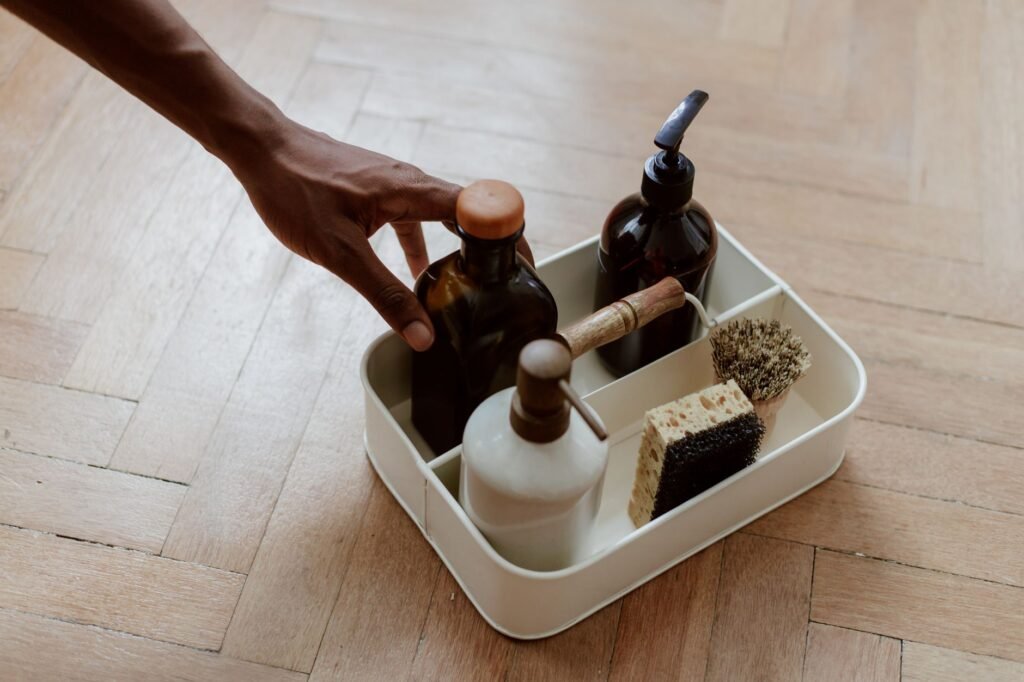
Maintaining cleanliness is essential for your baby’s health. After each use, bottles should be cleaned thoroughly to prevent bacteria build-up. Start by rinsing the bottle and nipple immediately after use to remove any milk residue. Use warm soapy water and a bottle brush to scrub the insides, ensuring you reach all surfaces. Don’t forget to clean any accessories, such as collars and caps, as well.
Consider using a dedicated bottle rack for drying bottles and accessories. Keeping them organized and elevated will help them dry more effectively and reduce the risk of contamination.
When and How to Sterilize Bottles
While regular cleaning is essential, sterilizing bottles can provide an extra layer of safety, especially in the early months when your baby’s immune system is still developing. Sterilization is recommended for newborns and can be done using various methods: boiling, steam sterilizers, or chemical sterilizers.
- Boiling: Submerge bottles in boiling water for at least 5 minutes.
- Steam Sterilizers: These electric devices use steam to kill germs and can sterilize multiple bottles at once.
- Chemical Sterilization: Use sterilizing solutions or tablets that dissolve in water, following the manufacturer’s instructions.
Signs You Need to Replace Baby Bottles
Over time, baby bottles can wear out, leading to potential safety hazards. Regularly inspect your bottles for signs of wear, such as cracks, discoloration, or any unpleasant smells. If a bottle has any of these issues, it’s best to replace it immediately to ensure your baby’s safety.
Additionally, nipples can also wear out and should be replaced every 2-3 months or sooner if they show signs of damage. Always check for leaks or tears before each use.

Understanding Bottle Feeding and Sleep Patterns
The Impact of Bottle Feeding on Sleep
Many parents may not realize that bottle feeding can influence a baby’s sleep patterns. For instance, bottle-fed infants may tend to sleep longer stretches as they can consume larger quantities of milk at once, especially if they are being fed formula. This can be beneficial for parents looking for longer uninterrupted sleep.
However, be mindful of how you approach night feedings. Offering a bottle during the night can become a habit, making it challenging to break later. Consider limiting nighttime feeds or implementing a gradual reduction strategy as your baby grows.
Creating a Feeding and Sleep Schedule
Establishing a consistent feeding schedule can help regulate your baby’s sleep patterns and overall routine. Pay attention to your baby’s hunger cues and try to feed them accordingly without forcing them to adhere strictly to a schedule. Aim for a balance that allows your baby to feel satisfied while also encouraging them to sleep well.
Here are some tips for creating a feeding and sleep schedule:
- Feed your baby in a calm environment to promote relaxation.
- Keep a consistent bedtime routine that includes feeding before sleep.
- Observe your baby’s natural sleep rhythms to align feeding times.
Addressing Common Sleep Challenges
While bottle feeding can positively impact sleep, it can also lead to specific challenges such as dependency on the bottle for sleep. To address this, gradually introduce other soothing techniques, like rocking or singing, to help your baby fall asleep without relying solely on a bottle.
Also, consider consulting a pediatrician if you have concerns about your baby’s sleep patterns or feeding habits, as they can provide guidance tailored to your child’s needs.
Frequently Asked Questions
What is the best type of baby bottle for breastfed babies?
Wide-neck bottles with a breast-like nipple shape are often recommended for breastfed babies, as they can provide a more familiar feeding experience.
How often should I sterilize baby bottles?
It’s recommended to sterilize bottles before the first use and regularly in the early months. As your baby grows and their immune system strengthens, you may reduce sterilization frequency.
What should I look for in a bottle warmer?
Look for a bottle warmer with adjustable temperature settings and a quick warming time. Safety features, such as auto shut-off, are also beneficial.
Are glass bottles better than plastic?
Glass bottles are more durable and free from harmful chemicals, making them a safer option. However, they are heavier and can break easily, so consider your lifestyle when choosing.
The Bottom Line
Finding the best baby bottles and accessories is a crucial part of preparing for your little one’s arrival. By understanding the different types available and their features, as well as knowing the essential accessories to have on hand, you can create a comfortable feeding experience for your baby. Remember to take your time in selecting products that best suit your needs, and don’t hesitate to try out different options until you find the perfect fit for your family.