
















































Key Takeaways
- Layering is key for baby's warmth in winter.
- Choose materials that are soft and breathable.
- Look for easy-to-use fasteners for convenience.
- Don't forget accessories to complete the winter look.
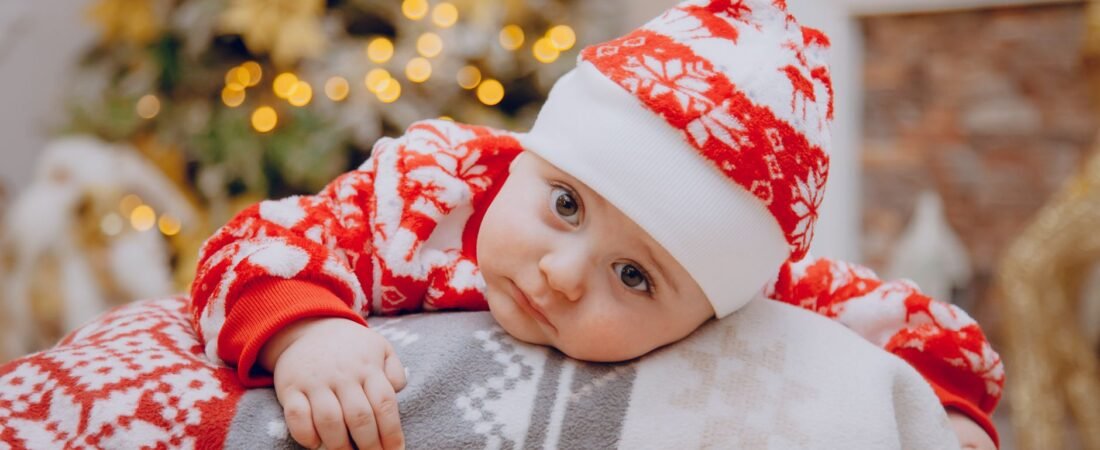
As the temperatures drop and winter settles in, it’s essential for parents to think about how to keep their little ones warm and cozy. Babies are particularly vulnerable to cold weather, so selecting the right winter clothes is crucial not only for comfort but also for health. In this guide, we’ll explore the best winter clothes for babies, including practical tips, product recommendations, and everything you need to know to dress your baby for the chilly season.
When it comes to dressing babies for winter, the focus should be on layering, insulation, and ease of use. Babies can easily become too hot or too cold, so understanding how to dress them appropriately is vital. This article will take a comprehensive look at various clothing options, materials to consider, and tips for navigating the winter months with your baby.
Whether you’re preparing for a winter outing, a family gathering, or simply seeking to keep your baby snug at home, this guide has you covered. Let’s explore the best winter clothes for babies!
Understanding Baby Winter Clothing Needs
Babies have unique needs when it comes to clothing, especially in winter. Their skin is sensitive, and they can lose heat quickly. Therefore, understanding the key principles behind baby winter clothing can help you make informed choices. First and foremost, layering is essential. A well-layered outfit can provide optimal warmth while allowing for flexibility in adjusting to varying temperatures.
When layering, consider a base layer that sits close to the skin, such as a soft cotton onesie. This layer helps wick away moisture and keeps the baby dry and comfortable. The next layer should be insulating, like a fleece or wool sweater, which traps heat while remaining breathable. Finally, an outer layer, such as a weather-resistant jacket or snowsuit, offers protection from wind and snow.
Another important aspect is to choose materials that are gentle on your baby’s skin. Fabrics like organic cotton, bamboo, and merino wool are excellent choices as they are soft, breathable, and hypoallergenic. Avoid synthetic materials that can irritate sensitive skin and lead to discomfort. With these principles in mind, you can ensure your baby is well-prepared for winter.
Essential Winter Clothing Items for Babies
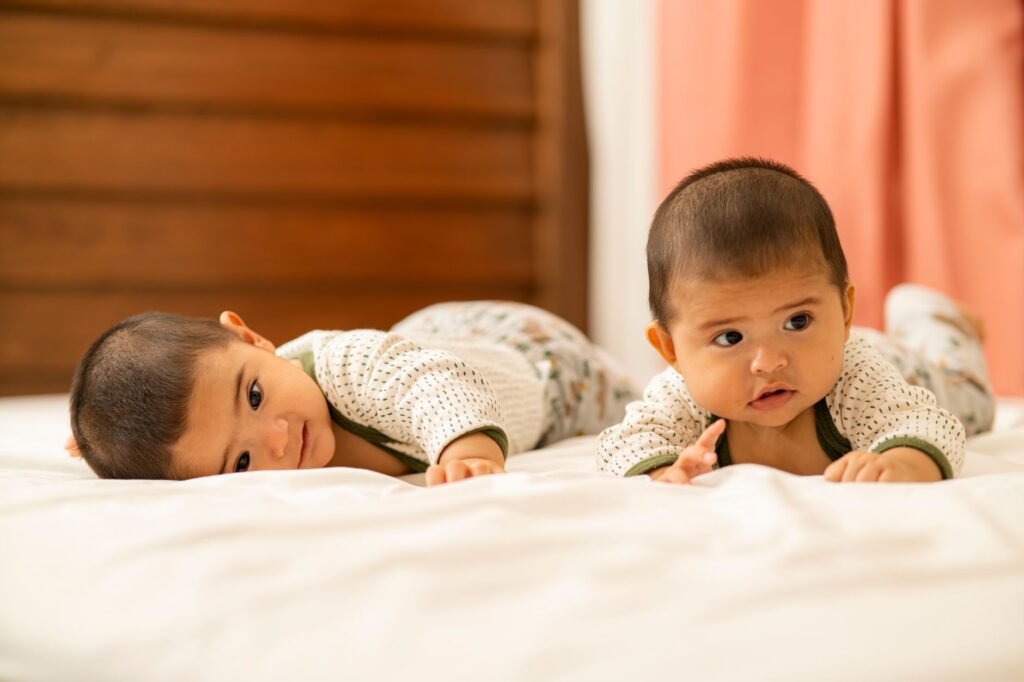
When shopping for winter clothes for babies, there are several essential items to consider. Each piece plays a vital role in keeping your baby warm and comfortable.
- Winter Coats and Jackets: A quality winter coat or jacket is a must-have. Look for options that are insulated, waterproof, and easy to put on and take off. Brands often offer designs with hoods for added protection.
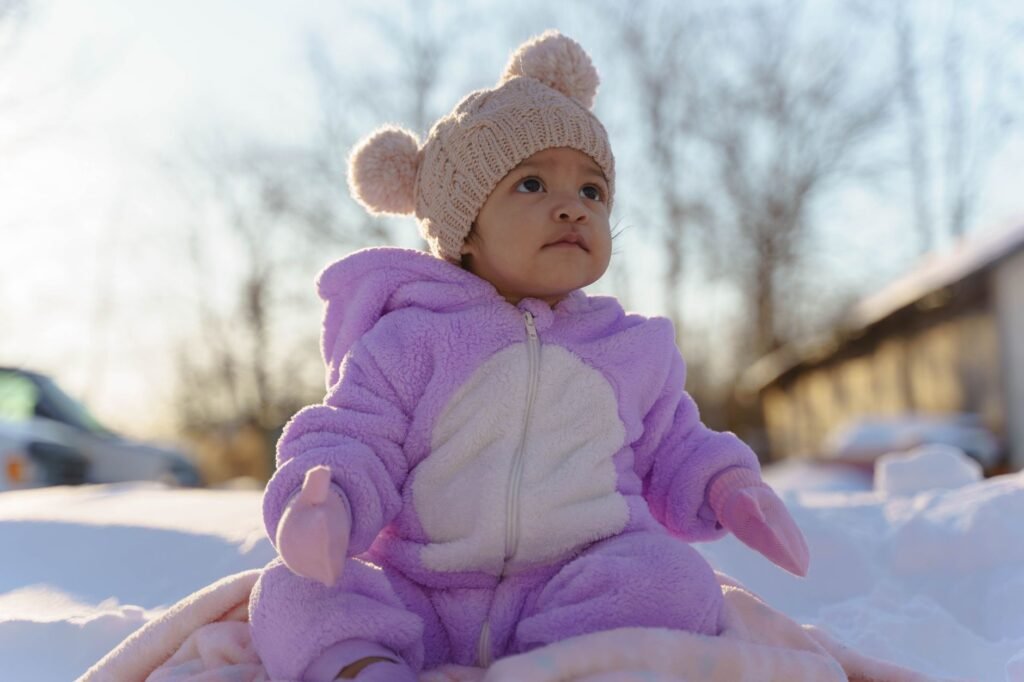
- Snowsuits: For colder climates, a snowsuit is an excellent choice. These full-body suits provide maximum warmth and can be layered over other clothing. Opt for ones with easy fastenings for quick diaper changes.
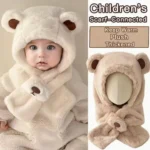
- Hats and Gloves: Babies lose a significant amount of heat through their heads and extremities. A snug-fitting hat and warm mittens or gloves are essential for outdoor activities. Choose ones that are adjustable and easy to put on.
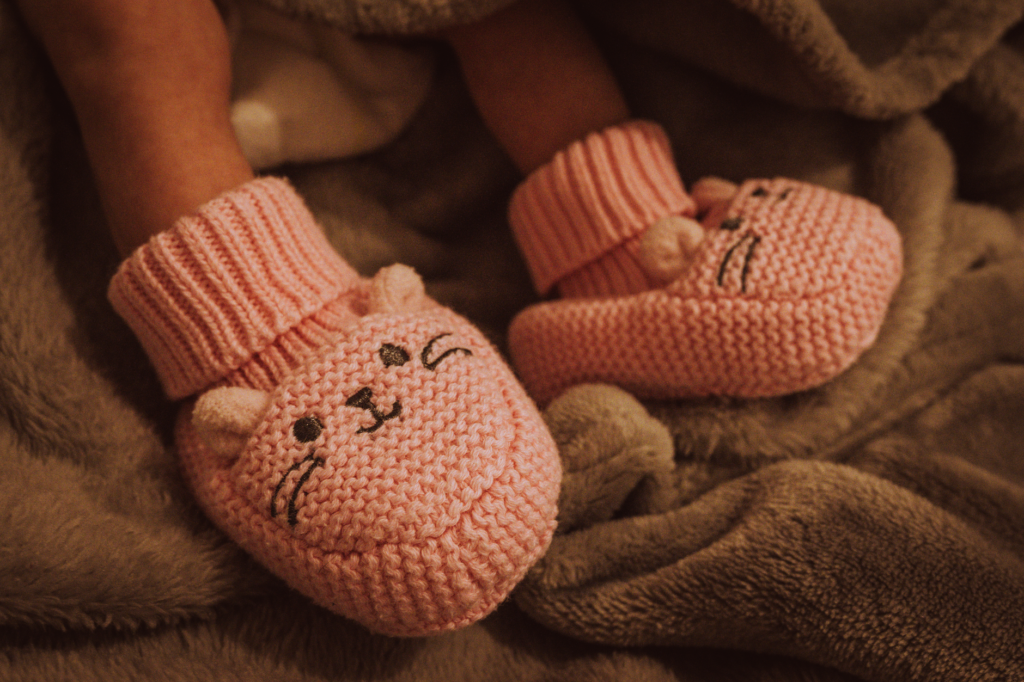
- Booties: Keeping your baby’s feet warm is crucial. Look for booties that are insulated and water-resistant, providing a snug fit to prevent slipping off.
- Blankets: A warm blanket is indispensable for outings. Consider a fleece or wool blanket that can be easily wrapped around your baby in a stroller or car seat.
Choosing the Right Materials
Choosing the right materials is just as important as picking the right styles. Babies have sensitive skin, so opting for soft, breathable fabrics is essential for comfort and warmth during winter months.
Natural fibers like cotton and wool are among the best choices. Cotton is gentle and breathable, making it a great base layer. Wool, particularly merino wool, is warm, moisture-wicking, and temperature-regulating, making it ideal for insulation. It’s important to ensure that the wool is finely woven to avoid irritating your baby’s sensitive skin.
Fleece is another excellent option, especially for outer layers. It provides warmth without being heavy and is often machine washable. When selecting materials, always check for labels indicating they are free from harmful chemicals. Organic options are preferable, as they are gentler on the skin and better for the environment.
Practical Tips for Dressing Your Baby in Winter
Dressing your baby for winter can sometimes be a challenge, especially if they’re wriggling around. Here are some practical tips to make the process smoother and more effective.
- Start with a Base Layer: Always begin with a soft onesie as the first layer. It provides comfort and can be easily added to with other layers.
- Layer Strategically: Remember that layering is key. Make sure each layer fits comfortably without restricting movement. Overly tight clothing can lead to discomfort.
- Check for Temperature: Before heading out, check the temperature and adjust layers accordingly. If it’s particularly cold, don’t hesitate to add an extra layer.
- Use Easy Fastenings: Look for clothing that features zippers or snaps rather than buttons, which can be cumbersome during quick changes.
- Observe Your Baby: Always keep an eye on your baby’s comfort level. If they seem too warm or too cold, adjust their clothing to ensure they are comfortable.
Winter Accessories for Babies
Accessories are vital in ensuring your baby stays warm and comfortable throughout the winter months. Here’s a rundown of must-have winter accessories for babies:
- Warm Hats: Choose hats that cover the ears and are snug but not too tight. Look for soft fabrics that won’t irritate the skin.
- Scarves and Neck Gaiters: A warm scarf or neck gaiter can help protect your baby’s neck from chilly winds. Make sure it’s not too long to avoid any safety issues.
- Warm Socks: Invest in high-quality socks that keep tiny toes warm. Look for options made from wool or a cotton blend for breathability.
- Stroller Footmuffs: A footmuff is a cozy addition to your stroller that keeps your baby snug during outings. Opt for one with a removable cover for easy cleaning.

Choosing Sizes and Fit
When selecting winter clothes for babies, getting the right size and fit is crucial. Babies grow quickly, and their clothing should allow room for movement while keeping them warm.
Always refer to the size guide provided by the manufacturer, as sizes can vary between brands. It’s generally advisable to choose clothing that has a little extra room, especially for winter layers. This ensures that you can add layers as needed without the clothes becoming too tight.
Consider adjustable features, such as snap closures, elastic cuffs, and adjustable hoods, which can help extend the life of the clothing as your baby grows. Additionally, always check for any potential safety hazards, such as drawstrings or loose parts that could pose a choking risk.
Layering Techniques for Maximum Warmth
Understanding the Science of Layering
Layering is an essential technique in winter clothing for babies, as it allows for easy adjustment to changing temperatures. The goal is to trap heat while also allowing moisture to escape, keeping your baby dry and comfortable. The base layer should be breathable, the middle layer should provide insulation, and the outer layer should protect against wind and water. This combination ensures that your baby remains warm without overheating.
Choosing the Right Layers
When selecting layers for your baby, consider the following types of clothing:
- Base Layer: Look for materials like merino wool or synthetic fabrics that wick moisture away from the skin.
- Insulation Layer: Fleece or down are excellent choices for retaining body heat.
- Outer Layer: A waterproof or windproof jacket that is also breathable will shield your baby from harsh winter conditions.
Each layer plays a critical role in maintaining your baby’s warmth. The key is to ensure that none of the layers are too bulky to restrict movement, allowing your little one to play and explore comfortably.
Adjusting Layers Throughout the Day
As the temperature fluctuates throughout the day, it’s important to be able to adjust your baby’s layers accordingly. For instance, if you’re transitioning from indoors to outdoors, you might need to remove a layer to prevent overheating. Keep an eye on your baby’s cues; if they seem fussy or sweaty, it might be time to shed a layer. Conversely, if they seem cold, adding an extra layer can help maintain their comfort.
Winter Footwear for Babies: Keeping Tiny Toes Warm
Importance of Insulated Booties
Choosing the right footwear is crucial for keeping your baby’s feet warm during winter outings. Insulated booties are designed specifically to provide warmth while still being lightweight and flexible. They should fit snugly without being too tight, allowing for movement without restriction. Look for booties with rubber soles to provide grip and stability as your baby starts to walk.
Types of Baby Winter Footwear
There are several types of winter footwear you can consider for your baby:
- Fleece-lined Booties: These provide excellent warmth and comfort for infants who are not yet walking.
- Waterproof Snow Boots: Essential for toddlers who are walking, these boots protect against moisture and cold while allowing for play in the snow.
- Slippers with Rubber Soles: Ideal for indoor use, keeping feet warm while providing a grip on slippery floors.
When selecting winter footwear, ensure that the booties or shoes are easy to put on and take off, as this can be particularly important when you’re out and about. Also, consider options with adjustable straps or elastic bands for a secure fit.
Tips for Ensuring Proper Fit
To ensure that your baby’s winter footwear fits properly, measure their feet regularly, as babies grow quickly. When trying on booties, check that there is enough room for their toes to wiggle, but not so much that the booties slip off. Remember that thicker socks can also affect fit, so consider this when making your purchase. It’s also wise to look for footwear made from breathable materials to prevent sweaty feet.

Outdoor Activities with Your Baby in Winter
Fun Winter Activities for Babies
Winter doesn’t have to mean staying indoors all the time. There are plenty of activities you can enjoy with your baby while ensuring they stay warm and comfortable. Some popular outdoor activities include:
- Winter Walks: Bundle your baby up and take them for a stroll in a stroller with good insulation.
- Snow Play: If your area has snow, consider making snow angels or building a snowman, ensuring your baby is adequately covered.
- Visit a Local Park: Many parks offer winter-themed activities. Dress your baby appropriately and let them enjoy the fresh air.
Safety Considerations for Outdoor Play
While enjoying outdoor activities, it’s important to keep safety in mind. Always monitor the temperature and wind chill, as babies are more susceptible to cold. Limit outdoor time in extreme conditions, and keep an eye on your baby for signs of discomfort or cold stress, such as shivering or fussiness. If you’re planning to be out for an extended time, bring along a blanket or extra layers to ensure they stay warm.
Creating a Cozy Outdoor Environment
When venturing outside, ensure that your baby has a comfortable environment. This can include using a stroller with a weather shield or a baby carrier with a cover. Make sure your baby is protected from the wind and has adequate padding. You can also add a cozy blanket to their stroller to provide extra warmth.
Frequently Asked Questions
What materials are best for baby winter clothing?
Natural fibers like cotton, wool, and fleece are ideal for baby winter clothing. They are soft, breathable, and provide excellent insulation.
How do I know if my baby is too hot or too cold?
Check your baby’s neck or back; if they feel sweaty or clammy, they may be too warm. If their hands and feet are cold, they may need additional layers.
Can I use regular adult winter clothing for my baby?
While some adult clothing can be adapted, it’s best to use clothing designed specifically for babies to ensure a proper fit and safety.
How often should I check my baby’s temperature when dressed for winter?
Check your baby’s temperature regularly, especially when going outside or as temperatures change. Always adjust layers based on their comfort level.
The Bottom Line
When it comes to the best winter clothes for babies, the focus should be on warmth, comfort, and safety. Layering is essential, and choosing soft, breathable materials will make all the difference in ensuring your baby stays cozy during the cold months. By investing in the right winter essentials and paying attention to how your baby responds to the weather, you can enjoy the winter season together, worry-free.