This article was written with AI assistance and reviewed for accuracy where possible; details about unreleased or rumored products may change.
As the air turns crisp and the days grow shorter, there is a natural human inclination to retreat inward. Our homes cease to be mere transit points between work and sleep; they become our sanctuaries. This season, the prevailing design aesthetic moves away from the stark minimalism of previous years, opting instead for a philosophy that prioritizes comfort, warmth, and soulful personality. Creating a cozy home isn’t just about buying more things; it is about curating a space that feels lived-in, loved, and deeply authentic to your lifestyle.
Whether you are looking to refresh a corner of your living room or perform a complete seasonal overhaul, the current trends favor tactile experiences. We are talking about materials that demand to be touched, lighting that mimics the golden hour, and furniture that invites you to linger. If you are starting your journey toward a cozier home, consider beginning with the basics—soft textiles and mood lighting—before moving into larger furniture pieces or decorative accents found in our home collection.
The Tactile Revolution: Texture as the New Color
One of the most profound shifts in interior design this year is the move toward sensory-rich interiors. If your room feels uninviting, it is likely lacking in textural variety. Think about layering fabrics that contrast in weight and feel. A chunky knit throw draped over a leather armchair creates an immediate visual dialogue between the smooth, cool surface of the leather and the heavy, warm loops of the wool. This is the essence of modern comfort.
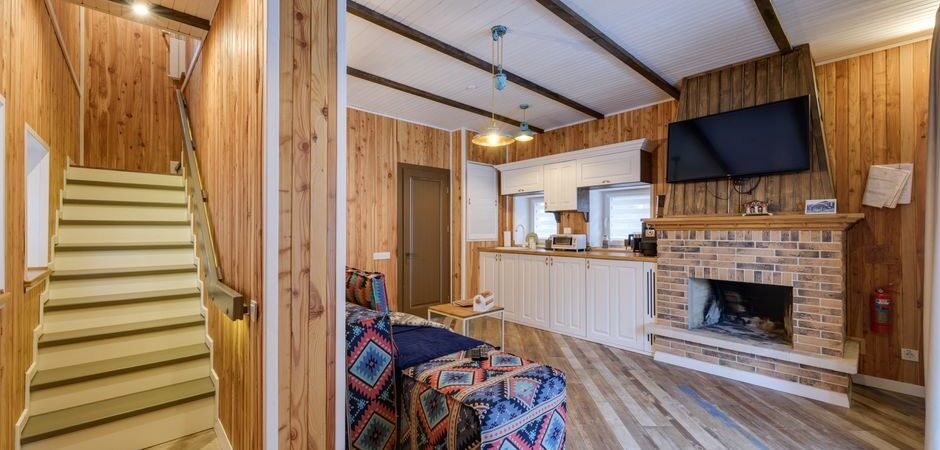
Bouclé remains a dominant force, offering a nubby, cloud-like texture that feels incredibly plush. Incorporating a bouclé ottoman or a set of accent pillows can instantly soften the hard lines of a modern sofa. Furthermore, velvet is making a strong comeback, particularly in jewel tones like moss green, terracotta, and deep navy. Because velvet catches the light differently throughout the day, it adds a dynamic quality to your living area that flat, matte fabrics simply cannot replicate. When shopping for home goods, prioritize pieces that feel substantial—think heavy ceramic vases, reclaimed wood trays, and woven baskets that provide a grounding, earthy contrast to soft textiles.
Earth-Inspired Palettes: Bringing the Outside In
The color stories for the season are undeniably rooted in the natural world. We are moving away from the high-contrast black-and-white schemes and leaning heavily into warm, organic tones. Think of the forest floor, the autumn sunset, and the deep hues of dried spices. Incorporating these colors doesn’t require a total paint job; rather, it is about introducing accents that ground the space.
Shades of clay, ochre, forest green, and mushroom gray are currently defining the cozy aesthetic. These colors have a calming effect on the nervous system, which is exactly what we need when the world outside feels chaotic. If you are worried about your space feeling too dark, balance these deep, earthy tones with lighter neutrals like cream, oatmeal, or sand. For those with young children, remember that earth tones are surprisingly forgiving; a wool rug in a heathered brown or a sofa in a durable, textured performance fabric in a warm taupe can handle the rigors of family life while staying perfectly on-trend.
The Power of Lighting: Creating the Golden Hour
The single most effective way to change the mood of a room is to rethink your lighting. The overhead ‘big light’ is the enemy of coziness. To achieve that warm, glowy ambiance, you need to layer your lighting sources at different heights. This means moving light away from the ceiling and down to the human eye level.
Start with a mix of table lamps, floor lamps, and wall sconces. Opt for warm-toned light bulbs—usually labeled as 2700K or lower—to simulate the amber glow of candlelight. If you have open shelving, consider adding small, battery-operated puck lights to highlight your favorite decorative objects. Not only does this add depth to the room, but it also highlights the textures you have worked so hard to curate. During the day, keep your curtains open to let in natural light, and as dusk approaches, let your lamps do the heavy lifting. This transition is a ritual in itself, signaling to your brain that it is time to unwind and transition out of ‘productive’ mode.
The Curated Shelf: Personal Storytelling
Minimalism served a purpose, but ‘maximalist cozy’ is where the personality lives. A home that feels like a museum is often cold and uninviting. The current trend encourages us to display the items that tell our story. This is your chance to pull out those vintage finds, family heirlooms, or travel souvenirs that have been hiding in a box.
When styling your shelves or coffee tables, avoid the urge to clutter. Instead, group items in threes of varying heights. A tall glass vase, a small stack of books, and a sculptural candle create a balanced vignette. If you have children, this is also a great way to incorporate their best artwork by framing a piece or two and placing it alongside your own decor. The key to a cozy home is intentionality; every object on display should either serve a practical purpose or provide a spark of joy when you look at it. If it doesn’t do one of those two things, it’s okay to let it go.
Nature-Inspired Biophilic Elements
Bringing the outdoors in is a trend that shows no signs of slowing down, and for good reason. Plants are the living, breathing heart of a cozy home. Even if you don’t have a green thumb, there are plenty of low-maintenance options that can thrive in a typical living room. A large snake plant or a hanging pothos can add life and movement to an otherwise static corner.
Beyond plants, look to incorporate natural materials like stone, raw wood, and jute. A raw-edge wood coffee table or a set of stone coasters can add an organic element that feels grounded and real. The goal is to avoid anything that feels too ‘factory-made’ or artificial. Imperfection is part of the charm. A slightly scratched wooden side table or a handmade ceramic mug with a slight wobble in the base adds a human element that makes a house feel like a home. These are the details that remind us that life is messy and beautiful, and our homes should reflect that.
The Retreat: Creating Cozy Nooks
In a world of open-concept living, it is sometimes difficult to find a place to truly disconnect. That is why the ‘cozy nook’ trend is so essential. You don’t need an extra room to create a retreat; you just need a dedicated corner. A reading chair paired with a small side table and a dedicated task lamp can become your personal oasis.
Consider the placement of your furniture. Instead of pushing everything against the walls, try ‘floating’ your furniture in the center of the room to create intimate zones. Use a rug to anchor a space, creating a visual boundary for a conversation area. This makes a large room feel much more manageable and inviting. Add a soft throw, a lumbar pillow, and perhaps a small basket for your current reading material. When you have a dedicated spot for relaxation, you are more likely to actually take the time to relax. Whether it is a quiet spot to nurse a baby or a corner to enjoy a cup of tea, these micro-spaces are the building blocks of a home that supports your mental well-being.
Seasonal Transitions: Adapting Your Space
The beauty of a cozy home is that it can evolve with you. As the seasons shift, so too can your decor. You don’t need to buy entirely new furniture to stay on-trend. Simply swapping out your throw pillows for a deeper, warmer color palette or replacing a light linen curtain with a heavier velvet drape can shift the entire tone of your living space. Consider the needs of your household as well; if you have little ones, your ‘cozy’ might include soft floor mats or play areas that blend seamlessly with your adult decor. If you are expecting, you might look into nursery gear that matches the aesthetic of the rest of your home, ensuring that the transition into parenthood doesn’t mean sacrificing your personal style.
Ultimately, the most important aspect of any home trend is how it makes you feel. If a trend doesn’t resonate with your personal style or your lifestyle needs, don’t feel pressured to adopt it. A home should be a reflection of the people who live within its walls. Take the elements that speak to you—the warm lighting, the soft textures, the natural materials—and weave them into your life in a way that feels authentic. After all, the coziest home is one where you can truly be yourself, surrounded by the things that bring you comfort and peace. As you browse for new pieces to add to your collection, keep an eye out for quality and craftsmanship. Investing in a few well-made staples will serve you far better than a house full of temporary, low-quality trends. Happy nesting!
The Scent of Sanctuary: Engaging the Olfactory Sense
While visual and tactile elements are central to the art of nesting, we often overlook the power of scent in anchoring our emotional connection to a space. A room can look perfectly styled, but the ambiance is incomplete without a subtle, grounding fragrance. Rather than relying on overpowering synthetic sprays, consider incorporating natural diffusers or beeswax candles that offer a slow, steady release of scent. Earthy notes like cedarwood, sandalwood, or hints of dried clove and bergamot can transform a sterile hallway into an inviting entry, signaling to your senses that you have arrived in a place of rest.
Sustainable Comfort and Longevity
As you curate your home, there is a growing shift toward mindful consumption that prioritizes the longevity of materials. Choosing items crafted from sustainable, renewable sources—such as organic cotton, FSC-certified wood, or recycled glass—not only benefits the environment but often results in higher-quality pieces that age gracefully over time. A hand-woven rug or a solid wood dining table gains character with minor wear, becoming a part of your home’s history rather than a disposable commodity. When you invest in pieces that are built to last, you are effectively reducing the need for constant replacement, allowing your collection to grow into a cohesive narrative that reflects your values as much as your aesthetic preferences.
The Psychology of Negative Space
While we often focus on adding layers to create warmth, there is a delicate balance to be struck between coziness and clutter. True comfort requires room for the eye to rest. Leaving intentional patches of negative space—a bare stretch of wall above a console, or an empty corner left for natural light to pool in—prevents a room from feeling suffocating. By curating your space to allow for these quiet moments, you prevent the ‘busy’ feeling that can sometimes accompany a maximalist approach. Think of these empty spaces as the ‘breath’ in a piece of music; they provide the necessary contrast that makes the cozy elements, like your favorite velvet chair or textured rug, feel even more intentional and special.
Integrating Functional Storage as Decor
A major hurdle in maintaining a cozy, peaceful environment is the inevitable accumulation of everyday life: remote controls, charging cables, mail, and children’s toys. Rather than hiding these items away in plastic bins that detract from your home’s aesthetic, look for storage solutions that pull double duty as decor. Woven baskets, lidded wooden boxes, and vintage trunks can house the clutter while adding to the textural layer of the room. When storage pieces are chosen to match the material palette—such as using a leather-bound box to hide electronics or a chunky knit-covered ottoman for hidden toy storage—the transition from functional to beautiful becomes seamless. By ensuring that everything has a designated home, you preserve the serene, sanctuary-like quality of your space, making it much easier to sustain that ‘lived-in but loved’ feeling every day.