This article was written with AI assistance and reviewed for accuracy where possible; details about unreleased or rumored products may change.
Finding the perfect pair of everyday sneakers is a bit like finding the perfect pair of jeans—once you have them, your entire morning routine becomes infinitely easier. The ideal everyday sneaker needs to be a chameleon: it must look sharp enough for a casual office environment, comfortable enough for a three-mile commute, and durable enough to withstand the rigors of daily wear. In an era where the lines between athletic gear and high fashion have blurred, the sneaker has rightfully claimed its throne as the king of footwear.
At MINIDROP, we know that your footwear is the foundation of your outfit. Whether you are running errands, heading to a coffee meeting, or simply navigating a busy city landscape, your feet deserve a blend of technical support and style. This guide explores what to look for when building your sneaker rotation and why prioritizing comfort doesn’t have to mean sacrificing your personal sense of style.
Understanding the Anatomy of an Everyday Sneaker
Before you dive into the sea of available options in our Sneakers category, it helps to understand what makes a sneaker truly ‘everyday-ready.’ The first thing to consider is the midsole. This is the portion of the shoe located between the insole and the outsole, and it is responsible for the majority of the cushioning. If you are someone who spends a lot of time on your feet, look for EVA foam or proprietary air-cushioning systems. These materials are designed to absorb impact, reducing the strain on your joints as you walk.
Next, consider the upper material. Leather sneakers are a timeless choice because they offer structure and water resistance, making them perfect for transitional weather. However, if your day involves a lot of movement, you might prefer a knit or technical mesh upper. These materials provide breathability, allowing your feet to stay cool even during the heat of the afternoon. When browsing online, always pay attention to the weight of the shoe; lighter materials often lead to less fatigue by the end of the day.
The Versatility Factor: Why Minimalism Wins
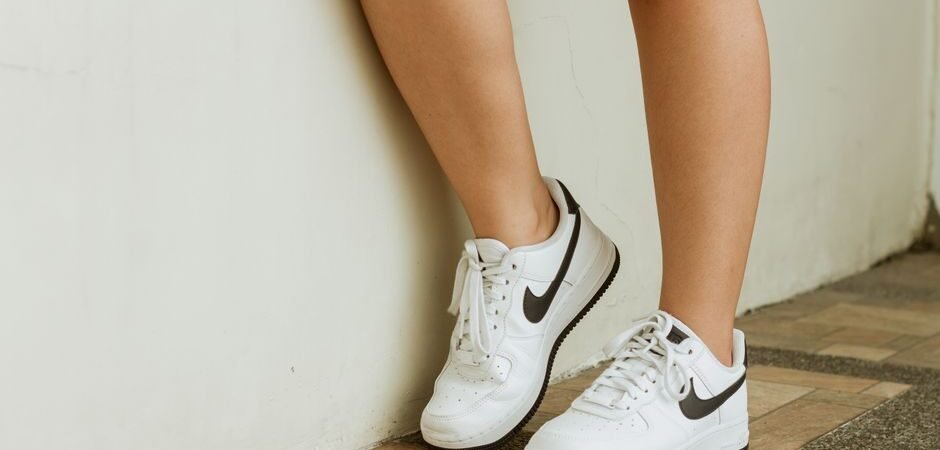
If you want to maximize your investment, lean toward minimalist designs. A clean, low-top sneaker in white, cream, or navy blue is the ultimate style chameleon. These pieces can be paired with tapered chinos for a polished look, or styled with your favorite denim for a classic, relaxed vibe. The beauty of a minimalist sneaker is its ability to ground an outfit without demanding all the attention.
Think about your existing wardrobe. If your closet is filled with vibrant colors and bold patterns, a neutral sneaker will act as a necessary palate cleanser. Conversely, if you prefer a monochromatic wardrobe, a subtle, tonal sneaker can add a touch of texture without breaking your aesthetic. Minimalism isn’t just about color; it is about silhouette. A slim, streamlined profile is generally more versatile than a chunky, aggressive design, as it transitions more easily from a casual setting to a slightly more elevated social event.
Prioritizing Arch Support and Foot Health
Style should never come at the expense of your health. Many fashion-forward sneakers are criticized for being ‘flat,’ which can lead to long-term discomfort or even injury. When selecting your next pair, check if the insole is removable. Being able to swap out a stock insole for an orthotic or a high-quality supportive insert can transform a standard sneaker into a custom-feeling experience. This is especially important for those who suffer from flat feet or high arches.
We also recommend looking for a reinforced heel counter. This is the stiff part of the shoe that cups your heel. A sturdy heel counter prevents the shoe from losing its shape over time and provides essential stability, preventing your foot from rolling inward or outward. When you shop for footwear, always remember that your feet change throughout the day—they tend to swell slightly by the evening—so trying on new sneakers later in the day is a pro tip that ensures you won’t end up with a pair that feels too tight after a few hours of wear.
Styling Sneakers with Different Wardrobe Staples
The beauty of the modern sneaker is its ability to be paired with almost anything. For a sophisticated take, try pairing leather sneakers with slim-fit trousers and a crisp button-down shirt. This look is perfect for ‘smart casual’ offices. If you prefer a more rugged aesthetic, high-top canvas sneakers pair perfectly with cuffed jeans and a flannel or a light jacket. Don’t be afraid to experiment with your socks, either—a clean pair of white crew socks can add a sporty, intentional edge to a classic outfit.
For those who prefer a more relaxed approach, joggers and high-performance lifestyle sneakers make for the ultimate ‘off-duty’ uniform. If you are shopping for new bottoms to match your sneakers, look for cropped or tapered cuts; these styles showcase your footwear better than baggy or boot-cut styles, which can sometimes overwhelm the silhouette of the sneaker. Remember, the goal is to make your shoes a complementary element of your overall look rather than an afterthought.
Caring for Your Investment
A great pair of sneakers can last for years if you treat them right. The most important rule of sneaker care is prevention. Before wearing your new shoes, apply a protective spray suited to the material (be it leather, suede, or canvas). This creates a barrier against dirt, moisture, and stains. For white leather sneakers, a magic eraser or a simple damp cloth with a mild soap solution can usually keep the surface looking pristine.
If you wear your sneakers daily, try to rotate them. Wearing the same pair every single day doesn’t give the materials time to dry out or the cushioning time to decompress. Having at least two ‘everyday’ pairs in your rotation—perhaps one leather pair for cleaner days and one knit pair for high-activity days—will significantly extend the lifespan of your collection. Storing them with cedar shoe trees can also help maintain their shape and absorb any residual moisture from your feet.
Trends vs. Timelessness: What to Invest In
It is easy to get caught up in the hype of limited-edition drops and viral trends. While these can be fun, they often prioritize aesthetics over the long-term comfort required for an everyday shoe. When curating your personal collection, we suggest a 80/20 rule: spend 80 percent of your budget on timeless, high-quality, and comfortable sneakers, and reserve the other 20 percent for those trend-driven pieces that excite you.
According to early reports, the upcoming season is expected to feature a return to ‘retro’ silhouettes, with many brands rumored to be re-releasing classic court styles from the late 80s and early 90s. While these look fantastic, ensure that any pair you purchase includes modern comfort upgrades like improved foam technology. Just because a shoe is ‘classic’ doesn’t mean it should feel like a relic from the past. Always look for that blend of nostalgic design and modern engineering.
The Future of Everyday Footwear
As we look ahead, the industry is increasingly focused on sustainability. Many manufacturers are reportedly working toward using recycled plastics and bio-based rubbers for their outsoles. If you are conscious about your environmental footprint, keep an eye out for brands that prioritize transparent manufacturing processes. The next generation of everyday sneakers is expected to be as lightweight and durable as their predecessors, but with a much lower impact on the planet.
Ultimately, the best everyday sneaker is the one that makes you feel confident and comfortable. Whether you lean toward sleek, European-inspired leather low-tops or chunky, tech-forward athletic trainers, the market has never been more accommodating to individual style. Explore the wide range of options available in our shop, keep these comfort tips in mind, and you will be well on your way to finding the perfect pair for your daily journey. Remember to check out our accompanying guides on socks and sneaker maintenance to ensure your footwear game stays top-tier all year round.
Navigating Sizing and Fit Consistency Across Brands
One of the most frequent challenges in online sneaker shopping is the lack of standardized sizing across different manufacturers. A size 10 in a technical running-focused brand may fit differently than a size 10 in a heritage fashion house due to variations in the “last”—the physical form over which a shoe is constructed. When browsing our collection, we recommend looking for customer reviews that specifically mention whether a model runs true to size, large, or small. If you find yourself frequently caught between two sizes, it is often safer to opt for the larger size, as you can easily adjust the fit with a slightly thicker sock or an aftermarket insole, whereas a shoe that is too tight can lead to discomfort that no amount of wear-in time will resolve.
The Importance of Outsole Traction and Surface Adaptability
While many shoppers focus primarily on the upper aesthetics or midsole cushioning, the outsole is the unsung hero of the everyday sneaker. The pattern and material of the outsole determine your grip on various surfaces, from polished office floors to wet city sidewalks. Look for outsoles that utilize high-abrasion rubber, which offers a balance between durability and traction. If you live in an area with frequent rain, a herringbone or lugged tread pattern can provide significantly better stability than a flat, smooth sole. Understanding your local environment is key; choosing a sneaker with an outsole designed for your specific climate ensures that your favorite daily pair remains functional and safe throughout the entire year, regardless of the weather conditions you encounter on your commute.
The Impact of Lacing Systems on Daily Comfort
Beyond the structural elements of the shoe, how you lace your sneakers can play a surprisingly large role in your daily comfort levels. Many modern sneakers come with standard lacing, but these are often just the starting point. If you experience pressure on the top of your foot—a common issue after long hours of movement—consider trying the “window lacing” technique. By skipping the eyelets directly over the sensitive area, you can create a bridge that alleviates tension while still maintaining a secure fit. Similarly, if your heel tends to slip, utilizing a “runner’s loop” or “heel lock” at the final set of eyelets can significantly improve stability without requiring you to overtighten the rest of the laces. These small adjustments allow you to customize a factory-standard shoe to the unique topography of your own foot, potentially saving you from mid-day soreness.
Transitioning Your Rotation Through the Seasons
A truly effective sneaker rotation is one that evolves with the calendar. As temperatures drop and moisture becomes a factor, consider swapping your lightweight, porous knit sneakers for models with treated leather or suede uppers. While these materials require slightly more maintenance, they offer significantly better protection against the elements and are much easier to wipe clean after a rainy day. Conversely, during the warmer months, transitioning to breathable mesh or perforated leather can keep your feet ventilated and fresh. By actively rotating your footwear based on the season, you not only preserve the condition of your shoes but also ensure that you are always equipped with the right level of protection for the environment. Viewing your sneaker collection as a seasonal toolkit rather than a static group of items is the best way to ensure every pair you own gets the wear it deserves.
Evaluating Weight Distribution and Balance
The physical weight of a sneaker is a factor often overlooked until you have logged several miles in a single day. A shoe that feels perfectly fine for a short trip to the grocery store can start to feel like lead by the end of an eight-hour shift. When evaluating potential additions to your rotation, pay close attention to the distribution of weight between the heel and the forefoot. A well-engineered sneaker should feel balanced, meaning the weight is centered beneath your arch rather than pulling your foot backward or pushing you forward. Lightweight EVA foams and carbon-infused plates, often seen in modern performance footwear, are increasingly being integrated into lifestyle models to reduce this “heaviness” without sacrificing the structural integrity of the shoe. If you find yourself consistently feeling leg fatigue by the evening, look for models that emphasize a lightweight upper construction, as shedding even a few ounces of weight can significantly reduce the cumulative strain on your lower legs.
The Role of Flexibility in Natural Gait
A common mistake in selecting everyday footwear is opting for a shoe that is either too rigid or entirely too flexible. A good everyday sneaker should possess a “flex point” that aligns with the natural bending of your toes at the metatarsal joints. If a shoe is too stiff, it forces your foot to work against the sole, which can lead to cramping and fatigue; if it is too flimsy, it fails to provide the necessary leverage for a powerful stride. To test this, hold the sneaker at the heel and press the toe into the floor; the shoe should bend naturally where your foot bends. If the sneaker creases in the center of the arch or doesn’t bend at all, it may cause discomfort during the push-off phase of your walk. Finding a sneaker that respects your foot’s natural biomechanics is the final, crucial step in ensuring that your rotation is truly ready for the demands of daily life.