




















































































Key Takeaways
- Identify your hair type and needs.
- Choose the right products for your routine.
- Establish a consistent schedule for haircare.
- Incorporate additional treatments for enhanced care.
Creating a haircare routine can feel overwhelming, especially with the multitude of products and techniques available. However, establishing a simple yet effective routine tailored to your hair type can lead to healthier and shinier locks. This guide will walk you through the essential steps to build a haircare routine that fits seamlessly into your lifestyle.
Understanding your hair characteristics is the first step in developing a personalized haircare regimen. By recognizing your hair type, texture, and specific needs, you can make informed choices about the products and methods that will benefit you the most. Whether you have straight, wavy, curly, or coily hair, there are specific guidelines and products designed to enhance and nurture your unique strands.
This article will provide detailed insights into the components of a simple haircare routine, including cleansing, conditioning, and styling, along with tips on how to maintain healthy hair between washes. Let’s get started on the journey to your best hair yet!
Understanding Your Hair Type
The foundation of any good haircare routine begins with understanding your hair type. Hair can generally be categorized into four main types: straight, wavy, curly, and coily. Each type has unique needs and requires different approaches to care.
Straight Hair tends to be shiny and smooth but can become oily quickly. The challenge is finding the right balance of moisture without weighing it down. A lightweight shampoo and conditioner that promotes shine without excessive oils is ideal.
Wavy Hair often has a texture that falls somewhere between straight and curly. It may require products that enhance waves without making the hair frizzy. Look for styling creams or mousses that provide hold without stiffness.
Curl Hair is characterized by its spiral shape and can often be dry. Moisturizing products are crucial for maintaining curl definition and preventing breakage. A rich conditioner and curl cream will help keep curls bouncy and hydrated.
Coily Hair, which has a tighter curl pattern, is typically the driest type. Products that penetrate the hair shaft for deep moisture, such as oils and deep conditioners, are essential. Avoid products with sulfates that can strip your hair of its natural oils.
Choosing the Right Products
Once you’ve identified your hair type, the next step is to select the right products. The market is saturated with options, making it crucial to choose products that cater to your hair’s specific needs.
Shampoo: Look for sulfate-free shampoos that clean without stripping moisture. For oily hair, a clarifying shampoo once a week may help, while dry or curly hair may benefit from a moisturizing shampoo.
Conditioner: A good conditioner is vital for all hair types. Choose a conditioner that matches your hair type. For instance, lightweight conditioners work well for straight hair, while creamy, richer formulas are better for curls.
Treatments: Incorporating hair masks or treatments can provide extra nourishment. Aim to use a deep conditioning treatment once a week or as needed, especially if you heat style often.
Styling Products: Depending on your desired look, the styling products you choose will vary. For straight hair, a smoothing serum can help control frizz. For curls, a defining gel or cream will enhance natural texture.

Establishing a Consistent Haircare Schedule
Consistency is key in any haircare routine. Establishing a regular schedule for washing and treating your hair will promote healthy growth and appearance. Here are some tips on how often to wash and treat your hair:
- Frequency of Washing: Depending on your hair type, you may need to wash your hair anywhere from once a week to daily. Oily hair might require more frequent washing, while dry hair may benefit from less.
- Conditioning: Always follow up shampooing with conditioner, focusing on the ends where hair tends to be drier. Consider leave-in conditioners or oils for added moisture.
- Weekly Treatments: Schedule deep conditioning treatments or hair masks at least once a week. This will help maintain moisture levels, especially for curly and coily hair types.
Incorporating Additional Treatments
Besides the basic shampoo and conditioner, incorporating additional treatments can significantly enhance the health of your hair. These treatments can target specific issues like dryness, damage, or color treatment.
Hair Oils: Oils such as argan, coconut, or jojoba can help seal in moisture and add shine. Apply a small amount to the ends of your hair to prevent split ends.
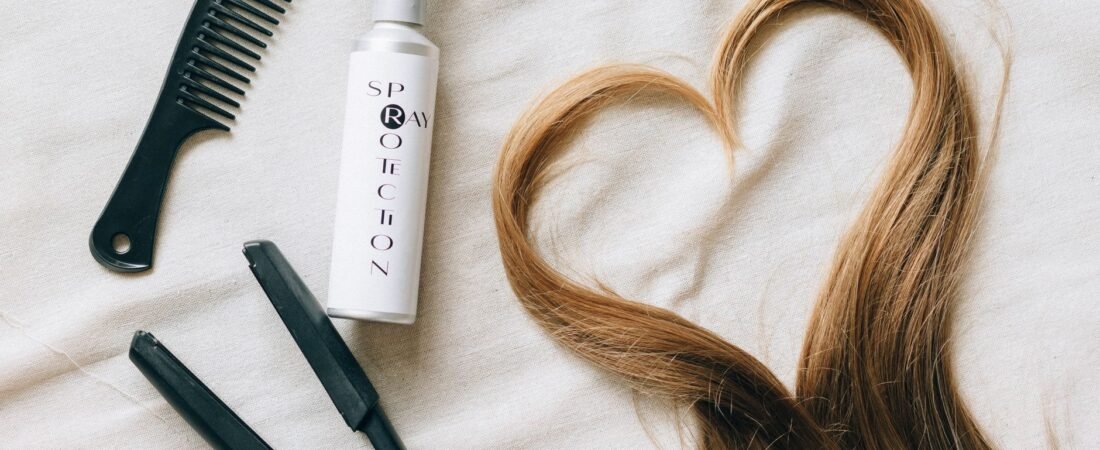
Heat Protectants: If you use heat styling tools, do not skip using a heat protectant spray. This product forms a barrier that minimizes heat damage.
Scalp Treatments: Healthy hair starts with a healthy scalp. Consider using scalp treatments that promote circulation and address issues like dryness or flakiness.
Real-Life Example of a Simple Haircare Routine
Let’s take Sarah, who has wavy hair that tends to get frizzy. She has established a simple haircare routine that suits her needs perfectly.
Sarah washes her hair every three days with a sulfate-free shampoo followed by a moisturizing conditioner. On her wash days, she applies a leave-in conditioner to damp hair, which helps to maintain wave definition. She adds a styling mousse for extra hold and lets her hair air dry whenever possible.
Once a week, Sarah treats her hair to a deep conditioning mask. She also applies a lightweight hair oil to the ends after styling to keep her waves shiny and frizz-free. This routine has helped her maintain healthy, beautiful waves without spending too much time or money on products.
Understanding the Importance of Scalp Care
Why Scalp Health Matters
The scalp often gets overlooked in haircare routines, yet it plays a crucial role in the overall health of your hair. A healthy scalp is the foundation for strong hair growth. It is essential to maintain a balanced scalp environment to prevent issues such as dryness, itching, and dandruff. Neglecting scalp care can lead to hair thinning and loss, making it vital to incorporate scalp-specific products and treatments into your routine.
Many people experience scalp conditions that can affect hair health. For instance, an oily scalp can lead to clogged hair follicles, while a dry scalp can result in flakiness and irritation. By focusing on scalp health, you can create an ideal environment for hair growth, which, in turn, can enhance the effectiveness of your haircare products.
Scalp Care Techniques
Incorporating specific techniques into your scalp care routine can significantly improve scalp health. Here are some effective methods to consider:
- Regular Exfoliation: Use a gentle scalp scrub or exfoliating treatment once a week to remove buildup and dead skin cells.
- Scalp Massage: Massaging the scalp for a few minutes daily can stimulate blood circulation, promoting hair growth.
- Essential Oils: Incorporate essential oils like tea tree or peppermint in your routine to support scalp health with their antifungal and soothing properties.
Choosing the Right Scalp Products
Selecting the appropriate products for your scalp type is essential. If you have an oily scalp, look for lightweight shampoos and clarifying treatments that help balance oil production. For dry scalps, consider using moisturizing shampoos and soothing scalp treatments that contain ingredients like aloe vera or chamomile. Always read product labels to ensure they are free from harsh chemicals that could irritate your scalp.
Additionally, look for scalp treatments that contain beneficial ingredients such as:
- Salicylic acid for exfoliation and to reduce dandruff
- Tea tree oil for its antifungal properties
- Argan oil for hydration and nourishment
- Witch hazel to soothe inflammation
The Role of Diet in Hair Health
Essential Nutrients for Hair Growth
Your diet significantly impacts the health and vitality of your hair. Hair is primarily made of protein, so consuming adequate amounts of protein-rich foods is essential. Nutrients like vitamins A, C, D, E, zinc, iron, and omega-3 fatty acids play critical roles in supporting hair growth and maintaining its strength.
Here are some key nutrients to focus on:
- Protein: Include lean meats, eggs, legumes, and dairy products in your diet.
- Vitamins: Incorporate leafy greens, fruits, and nuts for vitamins A, C, and E.
- Minerals: Consume whole grains, nuts, and seeds for iron and zinc.
- Healthy Fats: Include sources of omega-3 fatty acids such as fatty fish, chia seeds, and walnuts.
Hydration and Hair Health
Staying hydrated is vital for maintaining healthy hair. Water helps to deliver essential nutrients to your hair follicles and keeps your scalp moisturized. Aim to drink at least eight glasses of water daily, and consider increasing your intake if you are active or live in a dry climate.
In addition to water, consuming hydrating foods such as cucumbers, oranges, and berries can further support your hydration needs and promote healthy hair growth.
Supplements for Enhanced Hair Health
If you find it challenging to obtain all the necessary nutrients from your diet alone, consider incorporating hair health supplements. Biotin, collagen, and multivitamins designed for hair, skin, and nails can provide additional support. Always consult with a healthcare professional before starting any supplement regimen to ensure it aligns with your individual health needs.
Adapting Your Haircare Routine for Different Seasons
Winter Haircare Tips
The winter months can be harsh on your hair due to dry air and cold temperatures. To combat winter-related hair issues such as dryness and static, consider making the following adjustments to your haircare routine:
- Switch to a Hydrating Shampoo: Use a moisturizing shampoo that helps retain moisture in your hair.
- Deep Condition Regularly: Apply a deep conditioning treatment at least once a week to restore hydration.
- Limit Heat Styling: Reduce the use of heat styling tools to prevent further drying out your hair.
Summer Haircare Strategies
During the summer, sun exposure, chlorine from pools, and saltwater from the ocean can damage your hair. To protect your hair in the summer, consider these strategies:
- Use UV Protection: Look for hair products with UV filters to shield your hair from the sun’s harmful rays.
- Rinse After Swimming: Always rinse your hair with fresh water after swimming to remove chlorine or salt buildup.
- Opt for Lightweight Products: Use lighter oils and leave-in conditioners to prevent buildup while keeping your hair moisturized.
Transitional Seasons: Spring and Fall Care
During the transitional seasons of spring and fall, your hair may go through changes due to varying humidity levels. To adapt to these changes, consider the following tips:
- Adjust Your Moisture Levels: In spring, when humidity increases, switch to lighter products that won’t weigh your hair down.
- Protect from Allergens: If you suffer from allergies, consider wearing a hat or scarf to protect your hair from pollen and other allergens.
- Regular Trims: Schedule regular trims to remove split ends and keep your hair looking healthy throughout the year.

Essential Tools for Haircare
Combs and Brushes
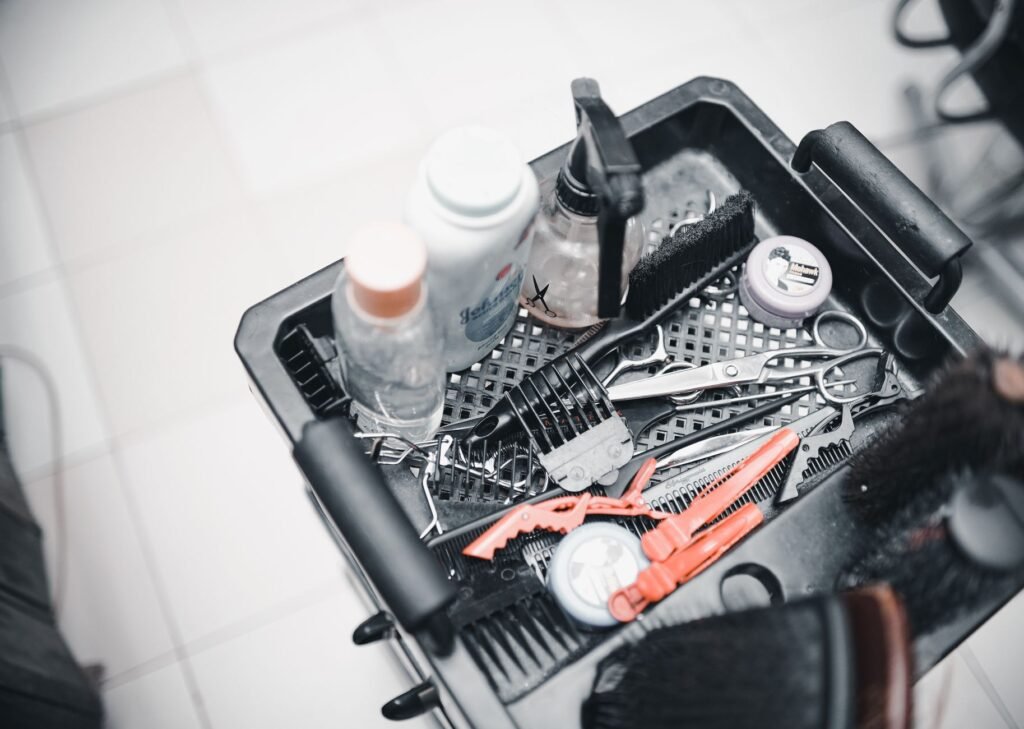
Choosing the right comb or brush can significantly impact your hair’s health. When selecting a brush, consider options like a wide-tooth comb for detangling wet hair or a boar bristle brush for distributing natural oils. Avoid using metal or plastic brushes that can cause breakage and damage.
- Wide-tooth comb – Ideal for detangling
- Boar bristle brush – Helps distribute oils
- Round brush – Great for styling
Heat Styling Tools
If you frequently style your hair with heat, investing in quality tools is essential. Look for flat irons and curling wands with adjustable heat settings to prevent overheating. Always use a heat protectant spray before styling to shield your hair from damage.
- Flat irons – For straightening
- Curling wands – For creating curls
- Heat protectant spray – Essential for protection
Understanding Hair Porosity
Defining Hair Porosity
Hair porosity refers to how well your hair absorbs and retains moisture. It can be classified into three types: low, medium, and high porosity. Understanding your porosity can help you choose the right products and techniques for your hair.
- Low porosity – Hair repels moisture and may need heat to open cuticles.
- Medium porosity – Hair holds moisture well and is generally healthy.
- High porosity – Hair absorbs moisture quickly but loses it easily, often requiring heavier products.
Testing Hair Porosity
You can test your hair’s porosity at home. Take a strand of clean hair and place it in a glass of water. If it sinks quickly, you have high porosity. If it floats in the middle, you have medium porosity. If it stays at the top, you have low porosity.

Haircare Myths Debunked
Frequent Haircuts Promote Growth
One common myth is that getting regular haircuts will make your hair grow faster. While trims are essential for removing split ends, they do not affect the rate of hair growth. Hair growth occurs at the scalp level, and regular trims help maintain healthy hair rather than speed up growth.
Daily Washing is Necessary
Another misconception is that washing your hair daily is essential for cleanliness. Depending on your hair type and lifestyle, washing just a few times a week may be adequate. Overwashing can strip your hair of its natural oils, leading to dryness and damage.
- Curly hair may require less frequent washing.
- Fine hair may need more regular cleansing.
- Oily hair might benefit from shampooing every other day.
Frequently Asked Questions
What if my hair is color-treated?
If your hair is color-treated, it’s essential to use products specifically formulated for colored hair. These products help maintain color vibrancy and prevent fading.
How often should I use a clarifying shampoo?
Using a clarifying shampoo once every two to four weeks can help remove product buildup without stripping the hair of essential oils.
Can I use the same products for different hair types?
While some products are versatile, it’s generally best to choose products that cater specifically to your hair type for optimal results.
Is it necessary to use a heat protectant?
Yes, using a heat protectant is crucial if you regularly use heat styling tools. It helps to prevent damage from high temperatures.
The Bottom Line
Building a simple haircare routine does not have to be complicated. By understanding your hair type, selecting the right products, and establishing a consistent schedule, you can achieve healthier hair. Remember to incorporate additional treatments as needed and listen to your hair’s specific needs. With a little time and care, you can enjoy beautiful, vibrant hair every day.