













































































Key Takeaways
- Understand body measurements for accurate sizing.
- Know the differences between various shirt styles.
- Use sizing charts effectively to find your fit.
- Consider fabric and cut for the best comfort.
Choosing the right shirt size can be a daunting task for many online shoppers. With various brands having different sizing standards, it’s essential to understand how to navigate these differences to find the perfect fit. This guide aims to provide you with practical steps and tips to help you choose the right shirt size, whether you are shopping for yourself or someone else.
Many people face the challenge of ordering clothing online, only to find that the shirt they received doesn’t fit as expected. This can lead to frustration and the hassle of returns. By understanding how to measure yourself accurately and familiarize yourself with sizing charts, you can make informed decisions and select shirts that will look great and feel comfortable.
In this article, we will cover everything from taking your measurements to understanding the nuances of different shirt styles and fabrics. By the end, you’ll have all the knowledge you need to choose the right shirt size confidently.
Understanding Shirt Sizes
Shirt sizes can be confusing due to the variations in measurements across brands and styles. Typically, shirts are sized based on a combination of neck circumference and sleeve length, especially for men. Women’s shirts often use a sizing system that includes small, medium, and large, which can vary significantly between brands.
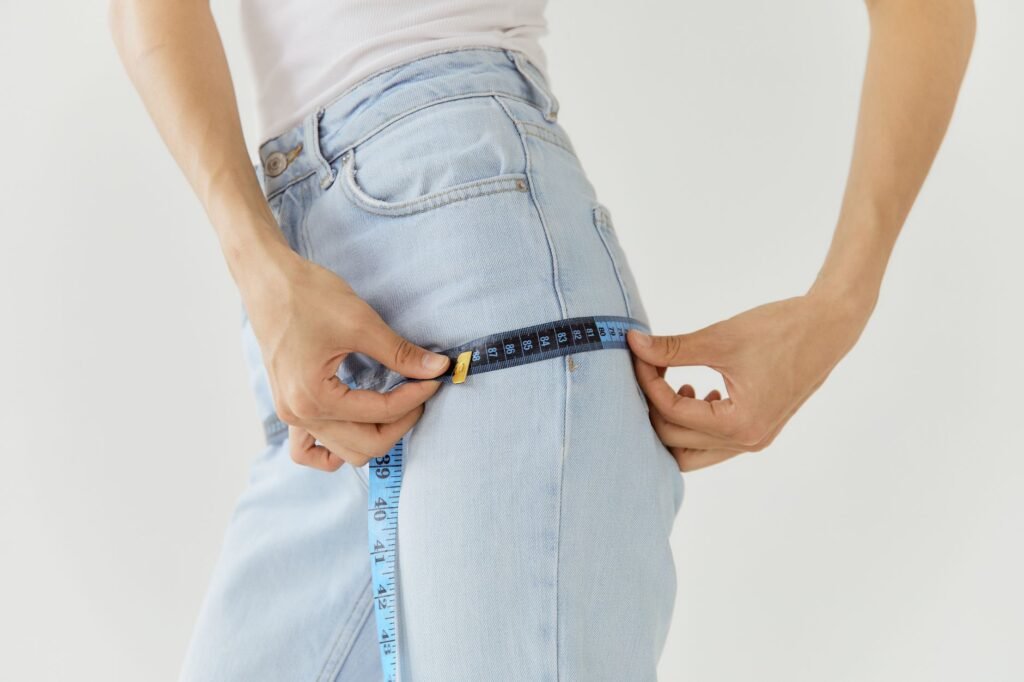
To start, it’s important to know your body measurements. Here’s a simple breakdown of how to take your measurements:
- Neck Size: Measure around the base of your neck, where the collar sits. Make sure to keep one finger between the tape and your neck for comfort.
- Chest Size: Measure around the fullest part of your chest, keeping the tape level under your arms and across your back.
- Sleeve Length: Bend your elbow slightly and measure from the center back of your neck, over your shoulder, and down to your wrist.
Once you have these measurements, you can compare them with the sizing chart provided by the retailer. Keep in mind that different cuts, such as slim fit or regular fit, can affect how a shirt fits on your body.

Different Types of Shirt Cuts
Understanding the different types of shirt cuts available is crucial in choosing the right shirt size. Each cut is designed to suit different body types and style preferences, making it essential to choose one that complements your physique.
Here are some common shirt cuts you might encounter:
- Regular Fit: This cut offers a relaxed fit through the body and sleeves, providing comfort and ease of movement. It’s a versatile option for everyday wear.
- Slim Fit: Designed to fit closer to the body, this cut is ideal for those who prefer a more tailored look. It’s important to ensure that the shirt is not too tight around the chest and shoulders.
- Relaxed Fit: This cut provides extra room and is great for more casual styles. It’s perfect for layering or for people who prefer a looser fit.
Choosing the right cut can significantly affect how the shirt fits and feels. For example, someone with a broader chest might find that a regular fit shirt offers the most comfort, while someone with a slimmer build might prefer the sleekness of a slim fit.
Using Sizing Charts Effectively
Sizing charts are invaluable tools for online shoppers. They provide essential information about how a brand’s sizes correspond to actual body measurements. However, it’s crucial to understand how to use them properly.
When you find a sizing chart:
- First, compare your measurements with those listed in the chart. Brands often provide a range of sizes based on specific measurements, so find where your sizes fit best.
- Next, be aware of how the brand’s sizing might differ from what you’re accustomed to. For instance, a brand may size their shirts based on a different cut or style than what you typically wear.
- Lastly, consider looking for customer reviews that mention fit. These can provide insights into whether a shirt runs large or small.
Remember that different brands may use different sizing conventions. For instance, a medium in one brand may be equivalent to a large in another. It’s always best to double-check before making a purchase.
Fabric and Its Impact on Fit
The fabric of a shirt can significantly influence how it fits and feels. Different materials have different properties that can affect your overall comfort.
Here are some common shirt fabrics and how they impact fit:
- Cotton: A breathable fabric that is soft and comfortable. Cotton shirts often have a bit of stretch, which can allow for a better fit when moving.
- Polyester: This synthetic fabric is durable and resistant to wrinkles. However, it may not be as breathable as cotton, which can affect comfort, especially in warmer weather.
- Blends: Many shirts are made from a blend of materials, such as cotton and polyester. These can offer the best of both worlds, providing comfort along with durability.
When choosing a fabric, consider the climate and occasion. For instance, lightweight cotton shirts are great for summer, while heavier fabrics may be better suited for winter layering.

Real-Life Example: Finding the Right Fit
To illustrate the process of finding the right shirt size, let’s consider a common scenario. Imagine Alex, a 28-year-old who loves to shop online for stylish shirts. He’s often frustrated because he struggles to find the perfect fit. After measuring his neck at 16 inches, chest at 40 inches, and sleeve length at 34 inches, he decides to refer to the sizing charts of various brands.
Upon checking several online retailers, Alex discovers that Brand A’s medium size corresponds to a 16-inch neck and 40-inch chest, while Brand B’s medium is a bit smaller, catering to a slim fit. He also reads reviews noting that Brand A’s shirts tend to shrink slightly after washing.
With this information, Alex opts to purchase a medium shirt from Brand A, keeping in mind to wash it in cold water to minimize shrinkage. His careful selection process pays off when the shirt arrives and fits perfectly!

Common Mistakes to Avoid
Even seasoned shoppers can make mistakes when selecting shirt sizes. Being aware of common pitfalls can help you avoid returning items and ensure a better shopping experience.
- Ignoring Size Charts: Always check the sizing chart for the specific brand before purchasing. Sizes can vary widely, and assuming you know your size can lead to errors.
- Not Considering Body Type: Different cuts are designed for various body types. It’s important to choose a cut that suits your physique rather than just going for what’s trendy.
- Overlooking Fabric Preferences: The fabric can change how a shirt fits. If you prefer a looser fit, consider how fabrics like cotton or linen behave compared to synthetic materials.
By being mindful of these common mistakes, you can enhance your online shopping experience and make choices that lead to a wardrobe you love.
[h2>Frequently Asked Questions
How do I measure my shirt size accurately?
To measure your shirt size accurately, use a flexible measuring tape to measure your neck, chest, and sleeve length. Make sure to take measurements while wearing a fitted t-shirt for the best results.
What should I do if my measurements fall between sizes?
If your measurements fall between sizes, it’s usually best to size up for comfort, especially if you prefer a looser fit. Consider the cut of the shirt as well, as some styles are more forgiving than others.
How can I determine the right shirt fit for my body type?
To determine the right fit, consider your body shape and proportions. Regular fit shirts work well for average builds, while slim fit is better for leaner physiques. Relaxed fit shirts are ideal for those who prefer a more casual look.
Can I return shirts that don’t fit well?
Many retailers offer return policies for items that don’t fit. Always check the return policy before purchasing, and consider ordering multiple sizes to ensure you find the best fit.
Understanding Body Proportions
Importance of Body Shape
When choosing the right shirt size, it is crucial to take into account your body shape. Different individuals have distinct body proportions that can significantly impact how clothing fits. For example, someone with a triangular body shape may find that a shirt that fits well at the shoulders is too tight around the waist. Taking your body shape into consideration helps you to select a shirt that not only fits well but also flatters your figure.
Consider the following body shapes:
- Rectangle: Shoulders, waist, and hips are roughly the same width.
- Triangle: Shoulders are narrower than the hips.
- Inverted Triangle: Shoulders are broader than the hips.
- Hourglass: Shoulders and hips are well-balanced with a defined waist.
Understanding these shapes can help you select the right size and style of shirt that complements your body type.
Measuring Your Body
To accurately determine your shirt size, you should take several key measurements. Here are the essential areas to measure:
- Chest: Measure around the fullest part of your chest, ensuring the tape is level.
- Waist: Measure around the narrowest part of your waist, usually just above the belly button.
- Shoulder Width: Measure from the edge of one shoulder to the edge of the other.
- Arm Length: Measure from the shoulder seam to the wrist.
These measurements provide a solid foundation for selecting the right shirt size. Keep in mind that different brands may have slight variations in their sizing, so always refer to specific sizing charts when available.
Proportional Fit Adjustments
After taking your measurements, you may find that a standard size does not fit perfectly due to your individual proportions. Fortunately, there are ways to adjust the fit:
- Tailoring: Consider taking your shirt to a tailor for adjustments, especially if you have a common fit issue like a loose waist or long sleeves.
- Choosing the Right Style: Opt for styles that accommodate your unique proportions, such as slim-fit for a leaner frame or relaxed-fit for a fuller build.
- Layering: If you plan to layer under your shirt, ensure you account for this in your sizing choice.
These adjustments can greatly enhance your comfort and appearance.
Evaluating Shirt Features and Details
Collar Types and Their Impact on Fit
The collar style of a shirt can drastically affect how the shirt fits and feels. Different collar types may lend themselves better to different neck shapes and styles, influencing overall comfort. Consider the following collar types:
- Point Collar: A classic collar that works well for most face shapes and is suitable for formal occasions.
- Spread Collar: Offers a wider opening and is great for wider necklines, often used for business attire.
- Button-Down Collar: Provides a more casual look and is ideal for relaxed settings.
Choosing the right collar type can enhance not only the fit but also the style of the shirt, aligning it with your intended use.
Sleeve Length and Cuff Styles
Sleeve length is another crucial component of shirt fit. Proper sleeve length should allow for comfortable movement without being too tight or too loose. Here’s how to evaluate sleeve length:
- Long Sleeves: The end of the sleeve should reach the wrist bone, allowing about half an inch to show when wearing a jacket.
- Short Sleeves: Should cover about half of the upper arm and allow ease of movement without clinging.
Additionally, the cuff style can influence the overall fit. Consider whether you prefer a single-button cuff for a classic look or a double-button cuff for a more tailored appearance, as this can affect both comfort and style.
Shirt Length and Tails
The length of the shirt is essential for a balanced appearance. A shirt that is too long may bunch up when tucked in, while one that is too short can result in an unkempt look. Pay attention to the following:
- Shirt Length: Ideally, the shirt should fall around the mid-zipper area when tucked in.
- Tails: Shirts with longer tails offer better coverage, especially when moving or bending.
These considerations will help ensure your shirt achieves the right balance between style and functionality.

Incorporating Personal Preferences
Preferred Fit Styles
While measurements and sizing charts are essential, personal preferences play a significant role in selecting the right shirt size. Understanding how you like your shirts to fit can guide your choices:
- Slim Fit: A more tailored look that hugs the body closely, great for a sleek silhouette.
- Regular Fit: Offers a classic cut that provides comfort without being overly baggy.
- Relaxed Fit: Ideal for those who prefer looser clothing, perfect for casual wear.
Identifying your preferred fit can simplify the decision-making process and enhance your overall satisfaction with your clothing.
Color and Pattern Considerations
The color and pattern of a shirt can also influence how it fits and appears on your body. Darker colors tend to be more slimming, while lighter colors can provide a more relaxed appearance. Additionally, patterns can either enhance or detract from the overall fit:
- Solid Colors: Provide a timeless look that can be dressed up or down.
- Stripes: Vertical stripes can create an elongating effect, while horizontal stripes may widen the appearance.
- Checks and Plaids: Can add visual interest but may require careful consideration based on body shape.
Considering these details can help you choose a shirt that not only fits well but also aligns with your personal style.
Feedback from Others
Lastly, don’t underestimate the value of feedback from friends or family. They can provide insights on how a shirt fits and looks from a different perspective. Here are some tips for gathering feedback:
- Try it on: Wear the shirt and ask for opinions on fit and style.
- Take pictures: Sometimes, seeing a photo can reveal fit issues that aren’t apparent in person.
- Seek honest input: Ask for constructive criticism to help refine your choices.
Incorporating feedback can lead to more informed decisions and a wardrobe that you feel confident in.
The Bottom Line
Choosing the right shirt size involves understanding your measurements, familiarizing yourself with different cuts, and considering the fabric type. By taking the time to measure yourself accurately and utilizing sizing charts, you can make informed choices that enhance your wardrobe. Remember to be mindful of your body type and the specific style of the shirt you’re interested in. With these tips, you can shop confidently and avoid the frustration of ill-fitting clothing.