





















































































Key Takeaways
- Identify key features important for your lifestyle.
- Compare styles and designs to match your personal taste.
- Consider battery life and compatibility with your devices.
- Understand fitness tracking capabilities and health monitoring.
Smartwatches have become more than just a trendy accessory; they are essential tools that can enhance your daily life. Choosing the right smartwatch, however, can be overwhelming given the myriad of options available. From fitness tracking capabilities to design aesthetics, there are several factors to consider before making a purchase. This guide will help you navigate through the choices and find the smartwatch that best fits your needs.
To start, it’s important to identify your primary reasons for wanting a smartwatch. Are you looking for a device to help you stay fit, keep track of notifications, or perhaps something that simply looks good on your wrist? Understanding your main objectives will make the decision process much easier.
Next, consider the compatibility of the smartwatch with your existing devices. Many smartwatches work seamlessly with specific smartphones, while others offer more universal compatibility. This is crucial to ensure you can maximize the features of the smartwatch and integrate it into your daily routine effectively.
Understanding Smartwatch Features
Core Features to Consider
When it comes to choosing a smartwatch, several key features can impact how useful the device will be for you. Here are the most important:
- Fitness and Health Tracking: Many smartwatches offer built-in fitness trackers that monitor your heart rate, steps, and sleep patterns. If you lead an active lifestyle, look for watches that offer comprehensive health monitoring.
- Notifications: Smartwatches can connect to your smartphone to display notifications for calls, texts, and apps. Ensure the model you choose can handle the types of alerts that matter most to you.
- Battery Life: Battery longevity varies significantly across models. Some may need daily charging, while others can last for days. Consider how often you want to charge your device.
Software and Compatibility
The operating system of the smartwatch plays a significant role in its functionality. The most popular systems include:
- WatchOS: Exclusive to Apple watches, this system integrates deeply with iOS devices.
- Wear OS: Developed by Google, this system is compatible with both Android and iOS, allowing for a wider range of devices.
- Tizen: Used in Samsung smartwatches, Tizen offers a unique interface and is designed for use with Samsung smartphones.
Understanding the software ecosystem will help you decide if the smartwatch will work seamlessly with your current devices.
Design and Aesthetics
A smartwatch is also a fashion statement. You want a device that not only works well but also complements your style. Consider the following:
- Size and Weight: Choose a size that feels comfortable on your wrist. Some prefer larger displays for better visibility, while others might opt for a more compact design.
- Customization Options: Look for watches that offer interchangeable bands or customizable watch faces to match your personal style.
- Durability: If you lead an active lifestyle, consider a smartwatch that offers water resistance and robust materials to withstand daily wear.

Comparing Smartwatch Brands
With numerous brands offering smartwatches, it’s wise to compare models from different manufacturers. Each brand has its strengths and weaknesses. Here are some popular options:
Apple Watch
The Apple Watch is a leader in the smartwatch market, known for its seamless integration with iPhones and rich feature set. It offers exceptional fitness tracking, a vast array of apps, and a stylish design. However, it’s primarily designed for Apple users, which may limit its appeal for Android users.
Samsung Galaxy Watch
Samsung’s Galaxy Watch is highly regarded for its robust fitness features and compatibility with both Android and iOS devices. Its Tizen operating system is user-friendly, and it offers a wide range of styles. If you own a Samsung smartphone, this watch can take advantage of additional features.
Fitbit
Fitbit is synonymous with fitness tracking. Their smartwatches focus heavily on health and activity metrics, making them ideal for fitness enthusiasts. While they may not offer as many smart features as other brands, they excel in health monitoring.
Battery Life Considerations
Battery life is one of the most crucial aspects to consider when selecting a smartwatch. The longevity of a smartwatch battery can vary widely depending on usage, features, and the model itself. Here are some important points to keep in mind:
Typical Battery Life Ranges
Smartwatches can have varying battery lives:
- 1-2 Days: Many smartwatches offer a battery life of around one to two days, especially those with extensive features like GPS and heart rate monitoring.
- 3-5 Days: Some models strike a balance between features and battery life, lasting between three to five days on a single charge.
- 1-2 Weeks: Basic smartwatches or fitness trackers may offer a longer battery life, lasting a week or more without charging.
Charging Methods
The convenience of charging can also impact your experience with a smartwatch. Charging methods vary:
- Magnetic Charging: Many modern smartwatches use magnetic charging cables for easy attachment.
- Wireless Charging: Some models offer wireless charging pads, eliminating the need for physical connectors.
- Standard USB Charging: Traditional charging cables that plug into a USB port are common, but may be less convenient for some users.
Health and Fitness Features
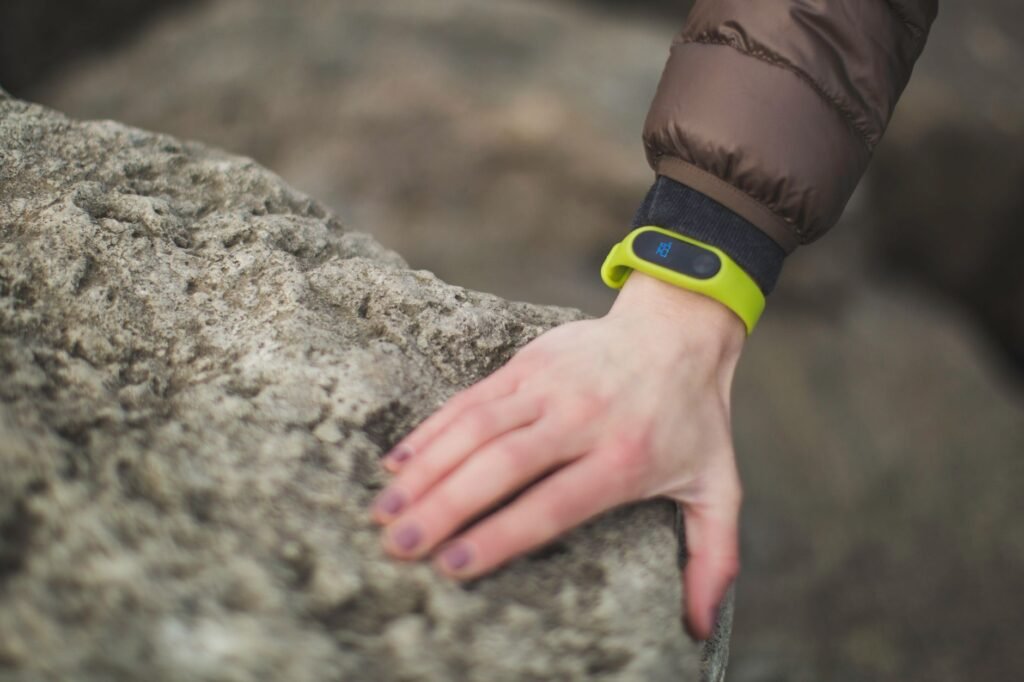
For those who prioritize health and fitness, smartwatches can provide valuable insights into your well-being. Here are key health and fitness features to consider:
Heart Rate Monitoring
Most smartwatches now come equipped with heart rate sensors. Continuous heart rate monitoring is invaluable for tracking workouts and assessing your overall fitness level. Look for watches that provide real-time heart rate data and can alert you if your heart rate exceeds or drops below certain thresholds.
GPS Functionality
If you enjoy outdoor activities such as running or cycling, GPS functionality is a must-have feature. Built-in GPS allows you to track your routes without needing your phone, providing accurate distance and pace data.
Sleep Tracking
Sleep tracking capabilities can help you understand your sleep patterns and improve your sleep quality. Many smartwatches now offer sleep stage tracking, providing insights into how long you spend in different sleep phases.

Budget Considerations
Smartwatches come in a wide range of prices. Understanding your budget will help narrow down your options. Here’s how to approach your budget:
Entry-Level Smartwatches
Entry-level smartwatches typically range from $100 to $200. They offer basic features like notifications and fitness tracking but may lack advanced functionalities like GPS or extensive app support. These models are ideal for those new to smartwatches or looking for a simple device.
Mid-Range Models
Mid-range smartwatches usually fall between $200 and $400. They often include more advanced features such as built-in GPS, better health monitoring, and a broader selection of apps. These are suitable for users who want a balance of features and affordability.
High-End Smartwatches
High-end models can exceed $400 and often feature premium materials, extensive health metrics, and the latest technology. These models are ideal for tech enthusiasts or those who want a smartwatch that combines luxury with functionality.
Smartwatch Compatibility with Mobile Devices
Operating System Compatibility
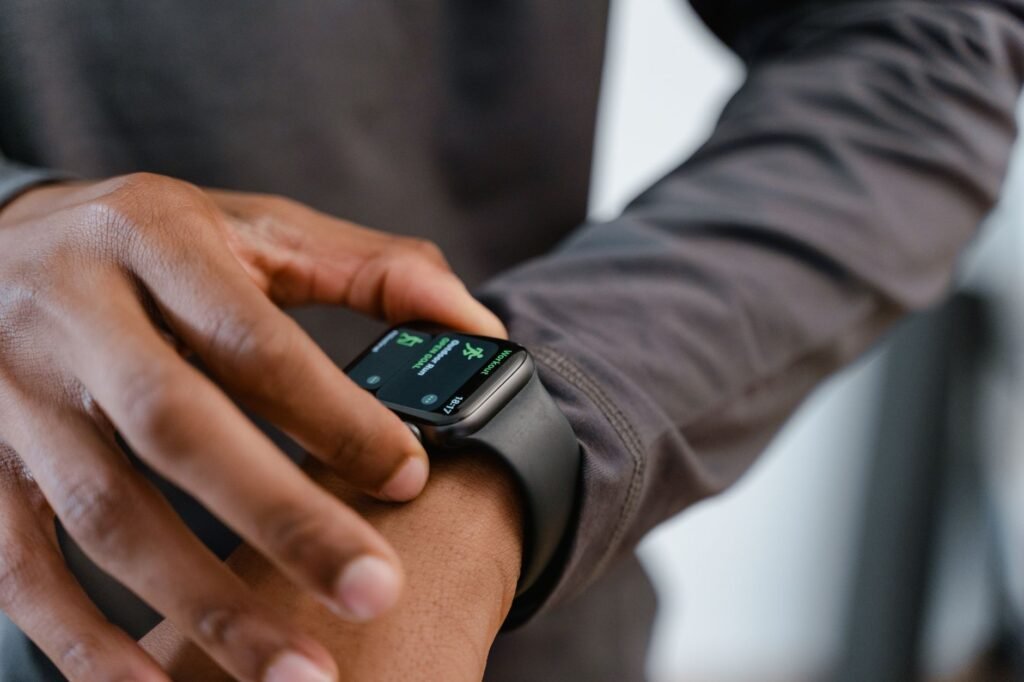
When selecting a smartwatch, one of the most crucial factors to consider is its compatibility with your mobile device’s operating system. Most smartwatches operate on either Apple’s watchOS or Google’s Wear OS, which means the compatibility with iOS or Android devices respectively can vary significantly. For instance, if you own an iPhone, your options will primarily be limited to Apple Watch models, as they are designed to integrate seamlessly with iOS features such as notifications, calls, and apps.
On the other hand, if you are an Android user, you have a broader selection, including devices running Wear OS, Samsung’s Tizen, and others. However, it’s important to verify that the specific smartwatch model supports the unique features of your Android version. Here are key points to consider:
- Check if the smartwatch app is available on your mobile’s app store.
- Ensure compatibility with your mobile’s Bluetooth version.
- Look out for any limitations in functionality based on the OS, like messaging or music control.
App Ecosystem and Third-Party Support
Another significant aspect of smartwatch compatibility is the ecosystem of apps available for your device. A robust app ecosystem can greatly enhance the functionality of your smartwatch, allowing you to customize it according to your preferences. For example, if you enjoy fitness tracking, ensure the smartwatch supports popular apps like Strava or MyFitnessPal.
Additionally, consider how seamlessly third-party apps integrate with the watch. Some smartwatches have limited capabilities when it comes to third-party applications, which may restrict your experience. Here are some tips to evaluate the app ecosystem:
- Research the most popular apps available for the smartwatch.
- Examine user reviews for app performance and reliability.
- Check for regular updates and new features from both the watch manufacturer and app developers.
Connectivity Options
Smartwatches come equipped with various connectivity options, which can significantly impact their usability. While most models offer Bluetooth connectivity, some also provide Wi-Fi, GPS, and cellular options. Understanding your connectivity needs is vital in ensuring that the smartwatch you choose fits your lifestyle.
For instance, if you frequently go on runs or outdoor activities without your phone, a smartwatch with built-in cellular capabilities can be a game changer. This feature allows you to make calls, send messages, and use apps without being tethered to your smartphone. Here’s a list of connectivity features to consider:
- Bluetooth: For syncing with your phone.
- Wi-Fi: For updates and notifications when away from your phone.
- GPS: Essential for navigation and fitness tracking without a phone.
- Cellular: Allows standalone functionality for calls and texts.
Design and Comfort for Everyday Use
Size and Weight Considerations
The design and comfort of a smartwatch are essential, especially if you plan to wear it throughout the day and during various activities. Consider the size and weight of the smartwatch. A bulkier model may feel cumbersome on your wrist, particularly if you have smaller wrists. Opting for a slim profile often results in greater comfort, especially during workouts or while sleeping.
Additionally, the weight of the smartwatch can influence your overall experience. Lighter models tend to be more comfortable for all-day wear. It’s vital to try on different models to assess how they feel on your wrist. Here are some factors to consider regarding size and weight:
- Evaluate your wrist size and choose a smartwatch that fits comfortably.
- Consider the type of activities you will engage in while wearing the watch.
- Look for options in different sizes or adjustable bands to suit your personal comfort.
Material and Durability
Smartwatches come in a variety of materials, including stainless steel, aluminum, plastic, and ceramic. The choice of material not only affects the aesthetic appeal but also the durability of the device. If you lead an active lifestyle, selecting a smartwatch made from durable materials is crucial to withstand everyday wear and tear.
Water and dust resistance ratings are also important factors. Look for smartwatches that have an IP68 rating or are water-resistant to a certain depth. This ensures that your device remains functional during activities like swimming or in rainy conditions. Consider the following points regarding material and durability:
- Choose materials that align with your lifestyle (e.g., stainless steel for a premium look).
- Check for water and dust resistance ratings.
- Assess the scratch resistance of the display, such as Gorilla Glass or sapphire crystal.
Customization and Personalization Options
Customization can enhance your smartwatch experience, making it feel more personal and suited to your style. Many smartwatches allow for interchangeable bands, watch faces, and themes, enabling you to tailor the device to fit different occasions or moods. This is particularly useful if you transition between professional settings and casual environments.
Furthermore, check if the smartwatch supports custom watch faces or apps that allow you to create a unique look. Some models even enable you to download designs from a community of users. Here are some aspects to consider for customization:
- Availability of different band styles and materials.
- Options for customizing watch faces and themes.
- Compatibility with third-party customization apps.

Long-Term Value and Software Support
Software Updates and Longevity
When selecting a smartwatch, considering the manufacturer’s policy on software updates can help determine the long-term value of your investment. Regular software updates can improve functionality, security, and compatibility with new apps. Brands that commit to providing updates for several years can significantly extend the lifespan of your device.
Additionally, inquire about the historical update patterns of the brand you are considering. Some manufacturers may offer extensive support for their devices, while others may abandon older models after a few years. Take note of the following when assessing software support:
- Check the manufacturer’s track record for updates on previous models.
- Look for forums or communities discussing the longevity of specific smartwatch models.
- Consider how important new features and security updates are to your lifestyle.
Resale Value
The resale value of a smartwatch can be an important consideration if you plan to upgrade in the future. Certain brands and models retain their value better than others due to their popularity, build quality, and reputation. Researching resale values can help you make a more informed decision regarding your purchase.
Smartwatches from reputable brands often sell better in the second-hand market. Additionally, devices that are well-cared-for and come with original packaging and accessories tend to fetch higher prices. Consider these points when evaluating resale value:
- Research the resale market for specific smartwatch models.
- Keep the original packaging and accessories to enhance resale potential.
- Monitor the condition of your smartwatch to maintain its value over time.
Warranty and Support Services
Finally, understanding the warranty and customer support services provided by the manufacturer can significantly impact your overall satisfaction with the smartwatch. A comprehensive warranty can protect your investment against defects and malfunctions, while responsive customer support can assist you with any issues that arise.
When evaluating warranties, consider the duration, what it covers, and any additional services such as accidental damage protection. Here are some key aspects to consider:
- Length and coverage of the warranty provided.
- Availability of customer support channels (phone, chat, email).
- Quality of customer reviews regarding warranty claims and support experiences.
Frequently Asked Questions
What is the best smartwatch for fitness tracking?
Many fitness enthusiasts prefer the Fitbit series for its comprehensive health metrics, while the Apple Watch and Samsung Galaxy Watch also offer robust fitness tracking features.
Can I use a smartwatch without a smartphone?
Some smartwatches can function independently, but most features work best when connected to a smartphone. Features like notifications and app access may be limited without a smartphone connection.
What are the main differences between smartwatches and fitness trackers?
Smartwatches typically offer a broader range of features, including notifications, apps, and customization options. Fitness trackers focus primarily on health metrics and may lack the smart features of a smartwatch.
Are there smartwatches for kids?
Yes, there are smartwatches designed specifically for children, offering safety features like GPS tracking and parental controls while being durable and user-friendly.
The Bottom Line
Choosing the right smartwatch involves carefully considering your needs, lifestyle, and preferences. By understanding the key features, comparing brands, and evaluating your budget, you can find a smartwatch that not only enhances your daily life but also aligns with your personal style. Take your time, do your research, and remember that the best smartwatch is the one that fits seamlessly into your routine.