


























































































Key Takeaways
- Proper cleaning prevents infections.
- Use disinfectants suitable for nail tools.
- Regular maintenance extends tool lifespan.
- Follow best practices for hygienic use.
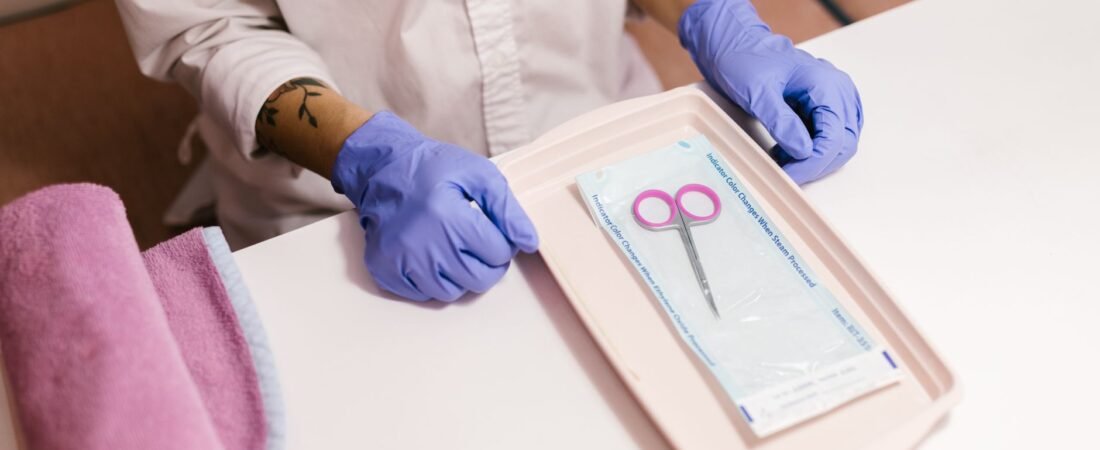
When it comes to nail care, having the right tools is just the beginning. Keeping those tools clean is equally, if not more, important. Nail tools can harbor bacteria and other pathogens, leading to infections and other health issues. This guide will provide you with comprehensive steps on how to clean nail tools effectively, ensuring that your nail care routine is as safe as it is beautiful.
Many people overlook the importance of sanitizing their nail tools, often using them without consideration for hygiene. For instance, a typical scenario could involve a person performing their own manicures at home. They might use the same nail clippers repeatedly without cleaning them, unaware that this practice could lead to harmful consequences. Understanding how to clean nail tools can help prevent such issues and promote better nail health.
In this guide, we will cover various aspects of cleaning nail tools, including the types of tools that require cleaning, the best methods to sanitize them, and how to maintain their quality over time. By the end of this article, you’ll be equipped with the knowledge needed to ensure that your nail care tools are clean and safe to use.
Understanding Your Nail Tools
Before diving into the cleaning process, it’s essential to understand the various types of nail tools you might use. Common nail tools include nail clippers, cuticle pushers, nail files, and buffers, each serving a distinct purpose in your nail care regimen.
Nail clippers are used for trimming nails, while cuticle pushers help in managing cuticles. Nail files and buffers are crucial for shaping and smoothing the nail surface. Different materials are used for these tools, including stainless steel, glass, and plastic. Knowing the material is crucial, as it can influence the cleaning method you should use.
For instance, stainless steel tools are more durable and can withstand harsher cleaning methods, while glass tools require gentler care to prevent damage. Understanding these specifics will help you tailor your cleaning approach for optimal results.
Why Cleaning Nail Tools is Important
Cleaning nail tools may seem like a time-consuming task, but it is vital for several reasons. First and foremost, unclean tools can lead to the transfer of bacteria and fungi, which can cause infections. Using dirty nail tools increases the risk of conditions like paronychia, an infection of the skin around the nails, and other skin irritations.
Additionally, clean nail tools enhance the effectiveness of your nail care routine. Using sanitized tools ensures that you achieve the best results from your manicure or pedicure, as clean tools can glide smoothly over your nails without causing damage or irritation.
Another significant factor is longevity. Regularly cleaning and maintaining your nail tools can extend their lifespan, saving you money in the long run. Investing a little time in cleaning can prevent the need for frequent replacements.
How to Clean Nail Tools: Step-by-Step Guide
Gather Your Supplies
Before you begin the cleaning process, gather the necessary supplies. You will need:
- Soap or detergent
- Disinfectant solution (such as isopropyl alcohol or a commercial disinfectant)
- Warm water
- A soft brush or toothbrush
- Clean, dry towels
- Storage container for soaking
Initial Rinse
Start by rinsing your nail tools under warm running water. This step helps to remove any debris, dust, or product residues from the tools. Pay close attention to the areas where dirt and grime may accumulate, such as the joints of nail clippers or the edges of nail files.
Soaking Tools
Next, prepare a soaking solution using warm water and a few drops of soap or detergent. Place your nail tools in the solution and let them soak for about 10 to 15 minutes. This soaking step helps to loosen any stubborn residues, making them easier to clean.
Scrubbing the Tools
After soaking, take a soft brush or an old toothbrush and gently scrub each tool. Focus on the crevices and edges where dirt might be trapped. For stubborn spots, you may need to apply a bit more pressure. Ensure that you clean all surfaces, including the handles and blades of the tools.
Disinfecting Tools
Once scrubbed, rinse the tools again under warm running water to remove any soap remnants. Following that, it’s time to disinfect. Soak the tools in a disinfectant solution, such as isopropyl alcohol, for about 10 to 15 minutes. This step is crucial as it kills any remaining bacteria and viruses.
Drying and Storing Tools
After disinfecting, rinse the tools one last time with water and lay them on a clean, dry towel to air dry. Ensure they are completely dry before storing them to prevent moisture, which can encourage bacterial growth. Store your clean tools in a designated container, preferably one that allows for ventilation.
Maintaining Nail Tools for Longevity
Cleaning your nail tools is just one part of the maintenance process. To ensure that your tools last longer, consider the following tips:
- Regular Cleaning: Clean your tools after every use to prevent build-up.
- Avoid Sharing: Limit sharing tools with others to reduce the risk of cross-contamination.
- Inspect for Damage: Regularly check for any signs of wear or damage. Replace tools as necessary.
- Store Properly: Keep your tools in a clean, dry place, away from humidity.
Natural Cleaning Alternatives
If you prefer a more natural approach to cleaning your nail tools, there are several alternatives to commercial disinfectants. For instance, vinegar and water can serve as an effective cleaner, as vinegar has natural antibacterial properties.
To use vinegar, mix equal parts of white vinegar and water in a bowl. Soak your tools in this solution for about 10 to 15 minutes. After soaking, scrub, rinse, and dry as you would with traditional methods. This natural cleaning method is eco-friendly and safe for those sensitive to harsh chemicals.
Another option is using hydrogen peroxide, which can be used similarly to vinegar. It’s a powerful disinfectant that can effectively kill germs without leaving harmful residues.
Tips for Specific Nail Tools
Nail Clippers
To clean nail clippers effectively, focus on the blades, as they can accumulate debris. After soaking and scrubbing, ensure to lubricate the blades with a drop of oil to keep them functioning smoothly.
Cuticle Pushers
Cuticle pushers can be made from metal or plastic. For metal pushers, the same cleaning method applies, while plastic ones may require gentler handling to avoid scratches.
Nail Files
Nail files, especially those made of glass, should be cleaned with care. Use a soft cloth soaked in soapy water to wipe them down, avoiding any abrasive scrubbing that could damage the surface.
Understanding Disinfection vs. Cleaning
What is Cleaning?
Cleaning is the physical removal of dirt, debris, and impurities from surfaces or objects. In the context of nail tools, this means using soap, water, and scrubbing to eliminate visible contaminants. Cleaning is an essential first step in the sanitation process, but it does not eliminate all microorganisms. For nail technicians and at-home users alike, ensuring that tools are thoroughly cleaned before disinfection is key to effective hygiene.
What is Disinfection?
Disinfection is the process that follows cleaning, aiming to eliminate or significantly reduce harmful microorganisms on surfaces. This is typically achieved using chemical disinfectants that are specifically designed for use on tools and instruments. It is crucial to understand that disinfection does not equate to sterilization; rather, it reduces the risk of infection by targeting pathogens. Different types of disinfectants, such as alcohol-based solutions or quaternary ammonium compounds, can be used for this purpose.
Steps to Ensure Proper Cleaning and Disinfection
- Remove any visible debris from the tools by rinsing them under running water.
- Use a brush to scrub the surfaces with a mild detergent.
- Rinse the tools thoroughly with clean water to remove any soap residue.
- Apply a suitable disinfectant according to the manufacturer’s instructions.
- Allow tools to air dry completely to prevent contamination.
Choosing the Right Cleaning Products
Commercial vs. Natural Cleaners
When it comes to cleaning nail tools, users often face the choice between commercial cleaning products and natural alternatives. Commercial cleaners are formulated for effectiveness and can kill a wide range of pathogens, making them a popular choice among professionals. However, some individuals prefer natural products, such as vinegar or baking soda, which are often viewed as safer and more environmentally friendly. Understanding the strengths and potential drawbacks of each can help users make informed decisions.
Key Ingredients to Look For
When selecting a cleaning product for nail tools, consider those that contain effective antibacterial and antifungal agents. Look for products containing:
- Alcohol (at least 70% isopropyl alcohol)
- Hydrogen peroxide
- Chlorine bleach (diluted properly)
- Quaternary ammonium compounds
These ingredients are known for their ability to disinfect surfaces and equipment effectively. Always ensure that the products you choose are safe for use on metal and plastic surfaces to avoid damage.
Homemade Cleaning Solutions
For those who prefer to make their own cleaning solutions, here are a few effective recipes:
- Vinegar Solution: Mix equal parts of white vinegar and water. This solution can help remove mineral deposits and disinfect tools.
- Baking Soda Paste: Combine baking soda with a small amount of water to form a paste. This can be used to scrub metal tools effectively.
- Alcohol Spray: Mix 1 part water with 2 parts isopropyl alcohol in a spray bottle for a quick disinfectant spray.
Storage and Handling of Cleaned Nail Tools
Proper Storage Techniques
Once nail tools have been cleaned and disinfected, proper storage is essential to maintain their hygiene. Tools should be stored in a clean, dry environment away from potential contaminants. Consider using a dedicated storage case or container that is easy to clean and allows for proper air circulation.
Best Practices for Handling Tools
When handling cleaned nail tools, always practice good hygiene to prevent recontamination. This includes:
- Washing hands before and after using nail tools.
- Avoiding contact between cleaned tools and unclean surfaces.
- Using gloves when handling tools during a manicure or pedicure.
These practices not only protect the tools but also the health of the user and clients.
Signs of Tool Damage or Wear
Regularly inspect your nail tools for any signs of damage or wear that could compromise hygiene. Look for:
- Rust or corrosion on metal tools.
- Cracks or breaks in plastic components.
- Brittle or frayed bristles on brushes.
Damaged tools should be replaced immediately, as they can harbor bacteria and pose a risk to hygiene standards.
Understanding the Different Types of Nail Tool Materials
Stainless Steel
Stainless steel is one of the most common materials used for nail tools due to its durability and resistance to rust. It is non-porous, making it easier to clean and disinfect effectively. To maintain stainless steel tools, it is advisable to clean them immediately after use to prevent any residue from hardening. A simple mix of warm water and mild soap can keep these tools in top condition.
Plastic Tools
Plastic nail tools are often used for disposable applications, such as single-use cuticle pushers or nail files. Although they are convenient, they can harbor bacteria if not disposed of properly. It’s crucial to inspect plastic tools for any cracks or damage and replace them as necessary. Always dispose of plastic tools after their first use to ensure hygiene.
Glass and Crystal Tools
Glass and crystal nail tools, such as files and buffers, require a different cleaning approach. These materials can be fragile, so it’s important to handle them with care. Clean glass tools by rinsing under warm water, then using a soft cloth to wipe them dry. Regular inspection for any chips is essential, as damaged tools can harm nails.
Common Mistakes in Nail Tool Maintenance
Using the Wrong Cleaning Products
Many individuals mistakenly use harsh chemicals to clean their nail tools, which can damage the tools and even compromise their hygiene. Always opt for products specifically designed for nail care. Avoid bleach or ammonia-based cleaners, which can corrode materials over time.
Neglecting to Dry Tools Properly
After cleaning, ensuring that nail tools are thoroughly dried is crucial. Leaving moisture can lead to rust on metal tools and promote bacterial growth on plastic or wooden tools. Always use a clean, dry cloth to wipe tools after washing.
Skipping Regular Inspections
- Check for rust or corrosion on metal tools.
- Look for cracks or wear in plastic and glass tools.
- Inspect cutting edges for dullness and replace as necessary.
Eco-Friendly Cleaning Practices for Nail Tools
Using Vinegar and Baking Soda
Vinegar and baking soda are excellent natural cleaners that can effectively sanitize nail tools. Mix equal parts of vinegar and water, soak the tools for about 20 minutes, and then scrub with baking soda for a thorough clean. Rinse well and dry before storing.
Essential Oils for Disinfection
Essential oils like tea tree oil possess natural antibacterial properties and can be used in cleaning solutions. Add a few drops to your cleaning mixture for an extra layer of protection. Always dilute essential oils properly before use to avoid skin irritation.
Recycling Old Tools
Instead of discarding old nail tools, consider repurposing them. For example, old nail files can be used for crafting projects, while cuticle pushers can serve as tools for applying and mixing paint. This not only reduces waste but also allows you to find new uses for items that would otherwise be thrown away.
Frequently Asked Questions
How often should I clean my nail tools?
Ideally, nail tools should be cleaned after each use to prevent the build-up of bacteria and debris. Regular cleaning helps maintain hygiene and prolong the life of your tools.
Can I use bleach to disinfect my nail tools?
While bleach is a powerful disinfectant, it can be too harsh for nail tools and may cause damage. It is better to use isopropyl alcohol or a dedicated disinfectant solution.
What should I do if my tools are rusty?
If your tools show signs of rust, it’s best to replace them. Rust can harbor bacteria and compromise the integrity of the tools, leading to potential health risks.
Is it necessary to disinfect my tools if I only use them on myself?
Yes, even if you only use your tools on yourself, regular disinfection is necessary to prevent infections and maintain overall nail health.
The Bottom Line
Cleaning nail tools is a crucial aspect of maintaining both hygiene and the quality of the tools. By following the steps outlined in this guide, you can ensure that your nail care routine is safe and effective. Regular cleaning, combined with proper maintenance, will not only enhance your nail care experience but also extend the lifespan of your tools. Take the time to care for your nail tools, and they will serve you well for years to come.