






























































































Key Takeaways
- Maximize closet space with smart organizing techniques.
- Use storage solutions to keep items accessible and neat.
- Regularly declutter to maintain an organized closet.
- Create a system that works for your lifestyle and preferences.
Organizing your closet can seem like a daunting task, especially if you’re working with limited space or an overflowing wardrobe. However, with practical strategies and a bit of planning, you can transform your closet into a functional and aesthetically pleasing space. This guide will walk you through the steps on how to organize your closet effectively, ensuring that your clothing and accessories are easily accessible and neatly arranged.
Many people find themselves overwhelmed by the sheer volume of items they accumulate over time. Whether it’s clothes, shoes, or accessories, clutter can quickly build up, leading to frustration when trying to find that perfect outfit. By following a systematic approach, you can not only declutter but also create a closet that reflects your personal style and makes getting dressed each day a breeze.
This article will cover everything from decluttering and sorting to implementing creative storage solutions, ensuring that you have a comprehensive understanding of how to maintain an organized closet. Let’s get started with the first step!
Step 1: Declutter Your Closet
The first and most crucial step in organizing your closet is decluttering. This involves assessing everything in your closet and deciding what to keep, donate, or discard. Start by taking everything out of your closet and laying it out on your bed or floor. This will give you a clear view of all your items and help you make informed decisions.
As you go through your belongings, consider the following criteria for each item:
- Frequency of Use: Have you worn it in the last year? If not, consider letting it go.
- Condition: Is it damaged or worn out? If it’s beyond repair, it’s time to toss it.
- Fit and Style: Does it fit you well and align with your current style? If not, it may be best to donate.
For example, imagine you have a beautiful dress that you bought for a wedding but have since gained some weight. If you haven’t altered it or worn it in two years, it might be worth considering whether to keep it. By being honest with yourself about your wardrobe, you can make more space for items that you love and actually wear.

Step 2: Sort Into Categories
Once you’ve decluttered your closet, the next step is to sort your remaining items into categories. This not only makes it easier to find what you need but also helps you visualize what you have. Common categories include:
- Clothing: Group by type (e.g., tops, bottoms, dresses) and then by color for a visually appealing arrangement.
- Shoes: Consider using a shoe rack or box for neat storage.
- Accessories: Keep items like belts, scarves, and jewelry together for easy access.
Creating these categories can be a fun way to rediscover pieces you may have forgotten about. For example, while sorting through your shoes, you might find a pair of heels that perfectly complements a dress you recently bought. This process not only helps with organization but can reignite your enthusiasm for your wardrobe.
Step 3: Implement Storage Solutions
With your items sorted, it’s time to implement effective storage solutions. The right storage can maximize your closet space and keep everything organized. Here are some popular options:
- Hangers: Invest in uniform hangers to create a streamlined look. Consider using velvet hangers for delicate items that might slip off regular hangers.
- Storage Bins: Use clear bins for shoes or seasonal clothing. Label each bin for quick identification.
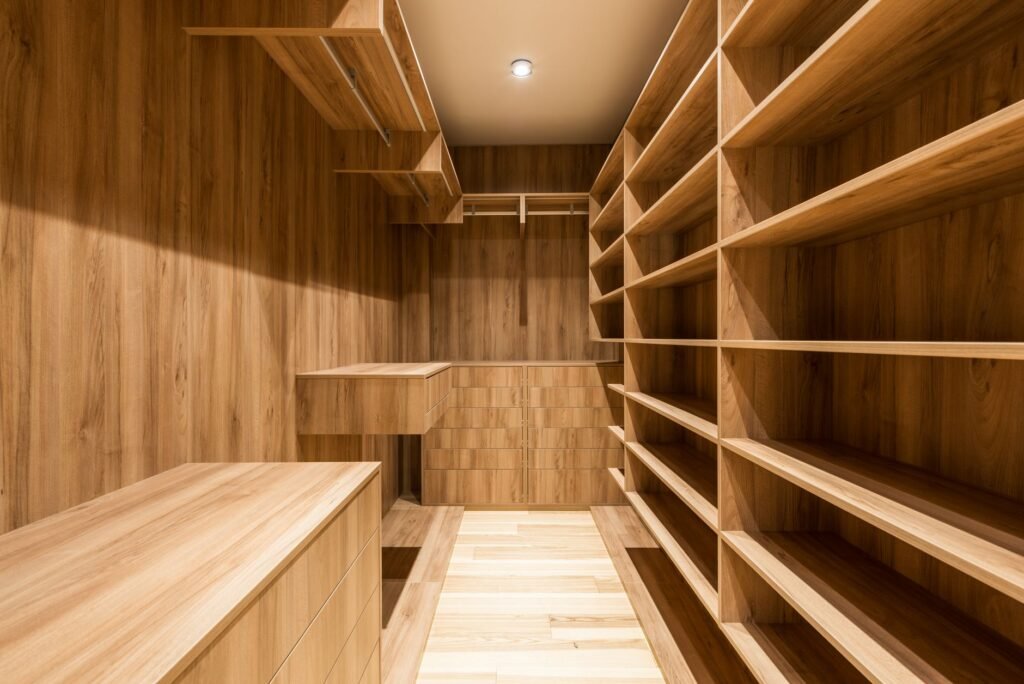
- Shelving Units: If space allows, add shelves for folded items like sweaters or jeans.
For instance, if you have a small closet, utilizing vertical space with hanging organizers or stackable bins can make a significant difference. Additionally, think about investing in multi-tiered hangers for pants or skirts to save space and keep everything visible.
Step 4: Optimize Your Layout
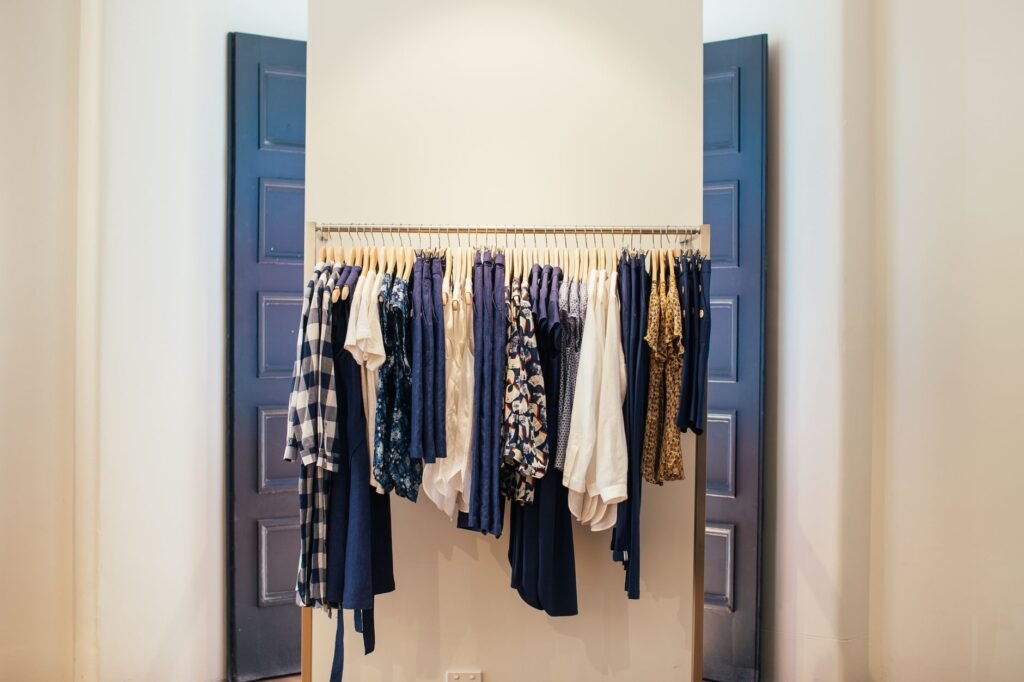
Once you have your storage solutions in place, it’s essential to optimize your layout. Consider how often you wear each item and arrange your closet accordingly. Here are some tips:
- Everyday Items: Place your most frequently worn clothing at eye level for easy access.
- Seasonal Items: Store out-of-season clothing in less accessible areas, like the top shelf.
- Accessibility: Keep shoes and accessories within reach, perhaps on a lower shelf or in a drawer.
This way, you’re not only keeping your closet organized but also making your daily routine smoother. For example, if you often wear a particular blazer for work, ensure it’s hanging where you can grab it quickly on busy mornings.
Step 5: Maintain Your Organized Closet
After all your hard work, it’s important to maintain the organization you’ve achieved. Set a regular schedule, such as every season or every few months, to reassess your closet. During these check-ins, consider the following:
- New Additions: Each time you buy a new item, consider letting go of something old to prevent clutter.
- Seasonal Changes: Rotate clothing based on the season. Store winter clothes away during the summer months and vice versa.
- Daily Upkeep: Make it a habit to return items to their designated spots after wearing them.
For instance, if you return from a shopping trip with new clothes, take a moment to sort through your closet and see if there’s anything you no longer need. This habit will help keep your closet organized without feeling overwhelming.
Step 6: Personalize Your Space
Your closet is a reflection of your style and personality, so don’t hesitate to add personal touches. This could be as simple as using decorative storage boxes or adding a small plant for a touch of greenery. Consider the following ideas:
- Decorative Elements: Use attractive bins or boxes for accessories that also add aesthetic value.
- Color Coordination: Arrange your clothing by color for a visually pleasing effect.
- Lighting: If possible, add a small light or LED strip to brighten up the space.
By personalizing your closet, you create a space that feels inviting and uniquely yours. For example, you might choose a vintage box to store scarves, adding both style and functionality to your closet.

Utilizing Vertical Space Effectively
Installing Shelving Units
One of the most effective ways to maximize closet space is by installing shelving units. Shelves allow you to take advantage of the vertical space in your closet, providing additional storage for shoes, bags, and folded clothes. When choosing shelves, consider adjustable options that can be repositioned as your storage needs change. This adaptability can extend the lifespan of your closet organization system.
When installing shelves, make sure to use sturdy brackets and anchors, especially if you plan to store heavier items. A common mistake is underestimating the weight that shelves can hold. Always check the weight limit of your shelves and distribute items evenly to avoid accidents.
Using Hooks and Pegboards
Hooks and pegboards are versatile tools for organizing various items in your closet. They can hold accessories, bags, or even hats, which can often clutter your space. By hanging these items on hooks, you free up valuable shelf and floor space.
- Choose adhesive or screw-in hooks based on the weight of items you intend to hang.
- Consider a pegboard to create a customizable organization system, allowing you to rearrange items as needed.
- Use decorative hooks to add a personal touch while keeping your closet functional.
Utilizing Overhead Space
Don’t forget about the overhead space in your closet. This area can often be overlooked, but it can serve as an excellent storage location for items you don’t use frequently. Consider installing high shelves or bins that can be accessed with a step stool. This way, you can store seasonal clothing, rarely used luggage, or extra bedding without taking up valuable lower space.
When using overhead space, label boxes clearly to avoid unnecessary rummaging. This will save you time and keep your closet organized. Consider clear bins to easily see what’s inside without having to pull everything down.
Creating a Seasonal Rotation System
Assessing Your Wardrobe Seasonally
Creating a seasonal rotation system for your clothing can significantly optimize your closet space. By assessing your wardrobe at the change of each season, you can remove items that are no longer needed and make room for seasonal attire. This not only keeps your closet organized but also helps you to refresh your style regularly.
Begin by evaluating each item in your closet. Keep pieces that you love and wear regularly, and consider donating items that you haven’t worn in the last year. This practice not only clears space but also contributes to a more sustainable wardrobe.
Storing Off-Season Clothing
Once you’ve assessed your wardrobe, it’s essential to store off-season clothing properly to maintain their quality. Invest in breathable storage bags or bins that protect clothes from dust and moisture. Avoid using plastic bags, as they can trap moisture and lead to mildew.
- Use vacuum-sealed bags for bulky items like winter coats to save space.
- Label all storage containers with the contents and the season for easy access.
- Consider using cedar chips or lavender sachets in storage to repel moths and keep clothes smelling fresh.
Refreshing Your Closet with Seasonal Themes
Incorporating seasonal themes into your closet can enhance organization and make getting dressed a more enjoyable experience. For example, group your clothing by color or style to create a visually appealing display. You can also arrange items by outfit combinations, making it simple to grab a complete look without sifting through everything.
Additionally, consider rotating decorative elements in your closet, such as seasonal color palettes or themed hangers. This small change can make a significant difference in how you perceive your closet space and your wardrobe choices.

Incorporating Multi-Functional Furniture
Choosing a Bench or Ottoman
Incorporating multi-functional furniture, such as a bench or ottoman, can provide both seating and storage. These pieces can serve as a convenient place to sit while putting on shoes or getting dressed, while also offering hidden storage for items like blankets or shoes. Look for options with compartments that are easy to access yet discreet.
When selecting a bench or ottoman, consider the overall style of your closet. Choose a piece that complements your decor while providing the necessary functionality. This can help create a cohesive and organized look throughout your space.
Using Storage Bins with Built-in Seating
Storage bins that double as seating can be a fantastic solution for smaller closets. These bins allow you to keep items organized while providing a place to sit. They come in various styles, from decorative fabric bins to more structured wooden designs. Choose bins that match your closet decor and are durable enough to withstand daily use.
- Opt for bins with lids to keep items dust-free.
- Select collapsible options when space is tight.
- Make sure the seating is comfortable for daily use, especially if you plan to use it regularly.
Integrating Mirrors and Lighting
Mirrors and lighting are essential elements that can enhance the functionality of your closet. A full-length mirror not only helps you check your outfit but also makes the space feel larger and more inviting. Consider placing mirrors strategically to reflect light and create an illusion of depth.
Additionally, good lighting is crucial in a closet. Install LED strip lights or small sconces to brighten up the space. This will ensure you can see your clothing clearly and make organizing easier. Proper lighting can also add an element of style to your closet, making it feel more like a curated space.
Frequently Asked Questions
How often should I reorganize my closet?
It’s recommended to reassess your closet at least twice a year, ideally at the change of seasons. This allows you to keep your wardrobe fresh and manageable.
What should I do with clothes I no longer wear?
Consider donating, selling, or recycling clothes that you no longer wear. Many charities accept clothing donations, and online platforms can help you sell gently used items.
How can I maximize small closet space?
Utilize vertical space with shelving and hanging organizers. Consider multi-tiered hangers and under-bed storage for additional space-saving options.
Are there specific organizers I should invest in?
Invest in uniform hangers, clear storage bins, and drawer organizers. These items help maintain a neat appearance and make accessing your wardrobe easier.
The Bottom Line
Organizing your closet doesn’t have to be an overwhelming task. By following a step-by-step approach to declutter, sort, implement storage solutions, optimize your layout, maintain the system, and personalize your space, you can create a closet that not only functions well but also reflects your personal style. With a little effort and regular maintenance, you can enjoy a beautifully organized closet that makes getting dressed a joy.