This article was written with AI assistance and reviewed for accuracy where possible; details about unreleased or rumored products may change.
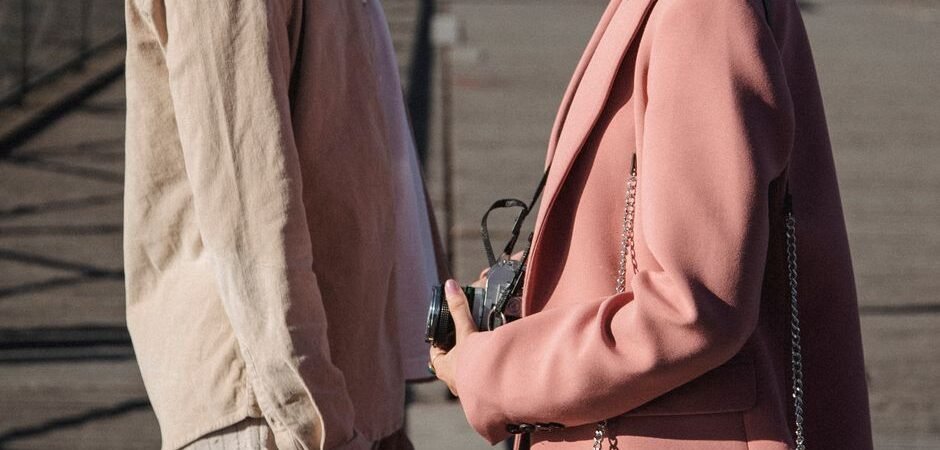
For years, the blazer was the undisputed captain of the corporate world. It lived on a hanger, waiting for board meetings, high-stakes presentations, and client lunches. But in the landscape of modern personal style, the blazer has shed its stiff reputation. Today, it is arguably the most versatile piece you can own—a chameleon that can elevate a pair of distressed jeans or add a layer of sophistication to a simple athletic ensemble. The challenge, of course, is keeping it from feeling like you just escaped from a cubicle.
Styling a blazer casually isn’t just about throwing it over a t-shirt; it’s about balancing proportions, textures, and the intentional juxtaposition of ‘dressy’ and ‘lived-in.’ Whether you’re grabbing coffee, heading to an outdoor gear shop for a weekend project, or meeting friends for dinner, the casual blazer is your new best friend.
The Foundation: Choosing the Right Cut
Before you start experimenting with accessories, you need the right canvas. If you’re trying to move away from the corporate look, avoid anything with shoulder pads that reach for the sky or fabrics that are overly shiny or stiff. Look for blazers made from linen, unstructured wool, cotton twill, or even a soft jersey blend. An unstructured blazer—meaning one without heavy internal padding or excessive lining—naturally sits closer to the body and moves with you, which is the key to that effortless, ‘I just threw this on’ aesthetic.
Consider the fit carefully. A slightly oversized or ‘boyfriend’ fit is currently the gold standard for casual styling. It offers a relaxed silhouette that pairs beautifully with more fitted items, like a pair of high-quality skinny jeans or a streamlined bodysuit. If you prefer a more tailored look, that’s fine too, but ensure the sleeves aren’t too long and the jacket isn’t so tight that you can’t layer a cozy sweater underneath when the weather turns cold.
The Classic Combo: Denim and Blazers
The easiest way to break the ice with a casual blazer is by pairing it with your favorite denim. There is something inherently cool about the contrast between the tailored structure of a blazer and the rugged, workwear roots of a good pair of jeans. If you’re rocking a pair of medium-wash, straight-leg jeans, tuck in a plain white crewneck t-shirt. It’s a timeless, minimalist look that works in almost any social setting.
Don’t be afraid to experiment with the wash of your jeans. A black blazer with light-wash, ripped jeans creates a wonderful high-low dynamic that feels intentional and edgy. If you’re leaning into the ‘off-duty’ vibe, cuff the sleeves of your blazer to show off your wrists, and consider rolling the hems of your jeans to show a hint of ankle. This small detail prevents the outfit from feeling too bottom-heavy and adds a sense of lightness to the overall look.
Layering for the Seasons
The beauty of a blazer is its year-round utility. In the spring and autumn, it’s the perfect transitional outerwear. You can layer a light hoodie underneath your blazer for an ultra-casual look that feels like streetwear but looks significantly more polished. Choose a hoodie in a neutral tone like grey, oatmeal, or navy to keep the look cohesive. The hood should drape nicely over the collar of the blazer, adding texture and depth to your outfit.
As we move into colder months, you can swap the hoodie for a thin, fitted turtleneck. This is a classic ‘intellectual’ look that is both incredibly warm and visually sharp. If you’re an outdoor enthusiast who needs to keep moving, consider wearing your blazer over a base layer. While you might not wear this specific combination for high-intensity sports, it’s a stylish way to transition from a morning hike to a casual lunch without having to change your entire wardrobe.
Footwear: Changing the Vibe
Your shoes are the final arbiter of how ‘casual’ your outfit actually is. If you wear a blazer with heels, you’re leaning into ‘business casual.’ If you wear it with fresh, crisp white sneakers, you’ve landed firmly in ‘elevated weekend’ territory. Sneakers are, without a doubt, the fastest way to signal that your blazer is not for work. Look for low-profile leather sneakers or classic canvas trainers to keep the outfit grounded.
For a slightly more rugged approach, try pairing your blazer with leather Chelsea boots or even sturdy, lace-up boots. If the weather is warm, a pair of loafers—or even clean-looking slides—can offer a relaxed, European-inspired aesthetic. The key is to keep the footwear clean and intentional. A scuffed, dirty pair of old gym shoes will clash with the blazer, but a well-cared-for pair of everyday sneakers will complement the structure of the jacket perfectly.
Accessorizing for the ‘Un-Corporate’ Look
Accessories are the secret weapon for killing the corporate vibe of a blazer. If you’re wearing a pocket square, take it out. If you’re wearing a structured leather briefcase, swap it for a canvas tote bag or a crossbody leather sling. The goal is to choose accessories that lean into utility and ease rather than formal professionalism.
Jewelry can also play a big part. Instead of a delicate, formal watch, try a sportier timepiece or a simple bracelet stack. If you’re wearing a necklace, opt for something layered or a chunky chain that adds a bit of personality. Sunglasses are another easy win; a pair of retro-inspired frames or even modern, sporty wraparound styles can dramatically shift the mood of a blazer, making it feel less ‘office’ and more ‘street style star.’
Playing with Texture and Color
We often default to black or navy blazers, but the casual world is wide open for texture and color. A corduroy blazer, for example, feels inherently softer and more casual than a traditional wool suit jacket. Tweed or herringbone patterns can also feel more ‘countryside leisure’ than ‘boardroom.’ If you want to make a statement, look for earth tones like olive green, burnt orange, or a muted tan.
When you choose a blazer in a non-traditional fabric or color, you’re naturally telling the world that this is a stylistic choice, not a uniform requirement. Pair an olive green corduroy blazer with dark denim and brown boots, and you have an outfit that is perfect for everything from a museum visit to a casual date night. Texture adds depth to your look, making it feel more tactile and approachable.
The ‘Borrowed from the Boys‘ Aesthetic
There is a timeless appeal to the ‘boyfriend’ blazer—the idea that you’ve raided a classic wardrobe for a piece that is slightly too big and perfectly slouchy. To style this effectively, focus on balance. If the blazer is boxy and long, keep your bottom layer fitted. A sleek camisole or a tucked-in ribbed tank top works wonders here. This highlights your shape while allowing the blazer to provide that cool, oversized silhouette.
If you’re feeling bold, you can even pair a boyfriend blazer with matching trousers, but keep the rest of the look casual. Wear the suit with a graphic t-shirt and white sneakers rather than a button-down shirt and heels. It’s a way to wear a suit that doesn’t feel like you’re heading to a career fair—it feels intentional, fashion-forward, and entirely your own. Remember, the blazer is just a tool; you are the one who decides how it functions in your life.
Final Thoughts: Confidence is the Best Accessory
At the end of the day, the ‘casual’ in casual blazer comes down to how you wear it. If you’re constantly tugging at your sleeves or feeling restricted, it will show. Choose pieces that make you feel comfortable and capable. Whether you’re pairing a velvet blazer with jeans for a night out or throwing a cotton blazer over a midi-dress for a Sunday brunch, the key is to treat the garment as a fun addition to your outfit rather than a necessity for your reputation. Start with the basics, experiment with your existing wardrobe, and don’t be afraid to break the old rules of formal wear. Your style is a playground—the blazer is just one of the best toys in the box.
The Art of Proportional Play
One of the most effective ways to modernize a blazer is to reconsider the relationship between the jacket and your hemlines. We often default to pants, but pairing a blazer with a skirt or dress can create an entirely new visual language. For a relaxed, feminine silhouette, try a slightly oversized, structured blazer over a fluid, midi-length slip dress. The contrast between the sharpness of the blazer’s shoulders and the soft drape of the fabric underneath creates a balanced look that feels effortless and intentional. If you’re opting for a skirt, a mini skirt paired with opaque tights and chunky loafers can transition a blazer from a professional staple to a chic, collegiate-inspired ensemble that feels both youthful and sophisticated.
When working with shorter hemlines, the length of the blazer matters. A cropped or hip-length blazer can help define your waistline and elongate the legs, preventing the look from feeling overwhelmed by too much fabric. Conversely, a longer, duster-style blazer looks fantastic with slim-fitting trousers or knee-high boots, creating a lean, vertical line. Don’t be afraid to experiment with these proportions in front of a full-length mirror; sometimes, a simple front tuck of your inner layer or the addition of a thin belt over the blazer can completely redefine your silhouette, turning a “stiff” jacket into a central feature of a dynamic, layered outfit.
Embracing the “Third Piece” Rule
If you ever feel like your daily outfits are falling flat, consider the “third piece” rule—a stylist’s secret for elevating even the most basic ensemble. In this framework, your bottoms and your top count as the first two pieces, while your blazer serves as the essential third. By adding that third layer, you move away from the “I just got dressed in a hurry” look toward something that feels styled and cohesive. A blazer is arguably the most effective third piece because it provides immediate structure, even if the rest of your outfit—perhaps a simple cotton tank and relaxed-fit trousers—is essentially lounge-adjacent.
The beauty of using a blazer as this third element is that it functions as a visual anchor. When you have a “busy” bottom, like a patterned midi skirt or wide-leg trousers in a bold color, a neutral, unstructured blazer acts as a grounding force. Conversely, if you are wearing a monochromatic base layer, a blazer in a contrasting texture—like a boucle knit or a lightweight linen weave—adds the necessary dimension to prevent the outfit from looking flat. You aren’t just adding a layer to keep warm; you are adding a focal point that ties your aesthetic together.
Maintaining the Ease of Minimalist Care
Because casual blazers are often crafted from natural fibers like linen, cotton, or lighter wool blends, they require a slightly different approach to maintenance than your standard dry-clean-only corporate suit. To keep that “lived-in” charm without looking messy, focus on the steamer rather than the iron. A quick pass with a handheld steamer can remove harsh travel wrinkles while maintaining the soft, relaxed shape of an unstructured jacket. Hard pressing with an iron can sometimes “over-finish” the fabric, giving it that crisp, corporate rigidity you are trying to avoid.
When it comes to longevity, storage is just as important as cleaning. Avoid wire hangers, which can create unsightly bumps in the shoulder seams of soft-tailored jackets. Instead, invest in wide, wooden or padded hangers that support the shoulder structure, allowing the fabric to breathe. By treating your casual blazer as a functional garment meant for daily wear rather than a delicate heirloom, you’ll find it becomes easier to reach for it as a default choice, ensuring that your refined-relaxation wardrobe is always ready for the day ahead.
Mastering the “Off-Duty” Roll and Cuff
The way you handle your sleeves can fundamentally alter the visual temperature of your blazer. Many people make the mistake of leaving their sleeves perfectly buttoned and cuffed, which often pulls the eye toward the “professional” silhouette of a suit jacket. To lean into a more relaxed aesthetic, try the “master roll.” This involves pulling the sleeve up toward your mid-forearm and folding the excess fabric back over itself once or twice. By exposing your wrists and forearms, you break up the block of color and make the outfit feel more casual and active. If you are wearing a striped or patterned lining inside your blazer, this technique serves as a subtle, stylish nod to the quality of the garment without appearing overly curated.
If a roll feels too messy for your specific blazer, a simple “push-up” works just as well. Simply push the sleeves up toward your elbows and let them bunch naturally. This looks particularly effective with softer, unstructured fabrics like linen or jersey blends, which tend to hold that pushed-up position throughout the day. It creates a slouchy, effortless vibe that pairs perfectly with casual accessories like a stack of beaded bracelets or a minimalist leather-strap watch. This minor adjustment is one of the most effective ways to transition your blazer from a morning coffee run to an evening happy hour, instantly signaling that your look is about personal style rather than corporate protocol.
Integrating Functional Hardware and Detail
As you move away from traditional corporate styling, you might notice that some blazers come with more utilitarian details—think patch pockets, contrast stitching, or even removable hoods. Don’t be afraid to lean into these elements. Patch pockets, in particular, are the hallmark of a casual, “field-style” blazer. They provide a softer look compared to the welted pockets found on formal suiting, and they are perfect for dropping in your keys, phone, or lip balm when you’re out and about. If you find a blazer with interesting buttons, such as horn, wood, or matte metal, lean into them by coordinating your jewelry or belt hardware to match. These small, tactile details make the garment feel less like a uniform and more like a curated piece of outerwear. By highlighting the functionality of the blazer, you make it clear that the jacket is designed for your life, not just for the boardroom.