




































































This article was written with AI assistance and reviewed for accuracy where possible; details about unreleased or rumored products may change.
We have all been there. You spot the perfect dress or a pair of sleek trousers while browsing your favorite marketplace, you click ‘add to cart’ in a fit of excitement, and then the package arrives. You tear it open, try it on, and… it just doesn’t fit. Whether it’s too tight in the shoulders or a bit too long in the torso, the struggle of online sizing is the primary reason many shoppers feel hesitant about buying clothing digitally. However, the secret to a flawless online wardrobe isn’t luck—it’s precision.
Learning how to measure your body correctly is a foundational skill for anyone who loves fashion. When you know your exact numbers, you stop guessing based on ‘Size M’ or ‘Size L’ labels, which vary wildly between brands. Instead, you start shopping based on data. This guide will walk you through the essential techniques for taking your measurements, ensuring that your next order from our apparel categories fits like it was made just for you.
The Essential Toolkit for Accurate Measurements
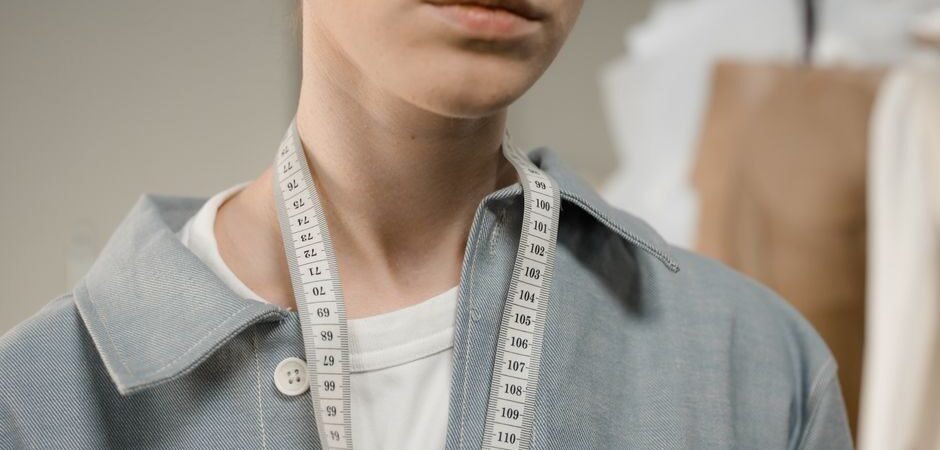
Before you begin, gather the right tools. You don’t need fancy equipment, but you do need consistency. A soft, flexible measuring tape is your most important asset. Avoid using a metal hardware tape measure, as it will not conform to the curves of your body and can lead to inaccurate readings. If you don’t have a cloth measuring tape, you can use a piece of string to measure your body and then lay that string against a rigid ruler to get the number.
Wear light, form-fitting clothing when you measure. Heavy sweaters, thick jeans, or bulky loungewear will add unnecessary inches to your frame. Ideally, measure yourself in your undergarments or very thin athletic wear. Stand in front of a full-length mirror so you can ensure the tape remains level around your body. The tape should be snug against your skin, but not so tight that it pinches or creates indentations in your flesh. If you can fit two fingers comfortably behind the tape, you have the right tension.
Measuring Your Torso: Bust, Waist, and Hips
The core of your measurement profile centers on your bust, waist, and hips. For the bust, wrap the tape around the fullest part of your chest. This is usually across the nipple line. Keep the tape parallel to the floor all the way around your back. If you are shopping for a bra or specific sleepwear, ensure you are wearing the type of undergarment you intend to wear with the clothing you are buying, as padding can change your measurements by an inch or more.
Next is your natural waist. This is not where your jeans sit, but rather the narrowest part of your torso, typically located just above your belly button and below your rib cage. A quick trick to find it is to bend to the side; the crease that forms is your natural waistline. For your hips, find the widest part of your seat and upper thighs. Standing with your feet together, wrap the tape around this point. This measurement is critical for ensuring that trousers and skirts glide over your frame rather than bunching up.
Understanding Inseam and Sleeve Length
For pants and jumpsuits, the inseam is the most overlooked measurement. The inseam is the distance from the very top of your inner thigh to the bottom of your ankle bone. The easiest way to measure this is to take a pair of pants you already own that fit perfectly, lay them flat, and measure from the crotch seam down to the hem. If you are measuring your own body, have a friend help you stand straight while you hold the top of the tape at the crotch and extend it down to your desired pant length.
Sleeve length is equally important, especially if you are shopping for formal shirts or structured jackets. Start the tape at the center of the back of your neck, run it across your shoulder, and down your arm to your wrist. Keep your arm slightly bent while doing this, as a straight-arm measurement often results in sleeves that are too short when you reach for a steering wheel or type on a keyboard. Accurate sleeve measurements ensure that your cuffs hit exactly where they should.
Why Size Charts Are Your Best Friend
Every brand has its own interpretation of ‘small’ or ‘large.’ A size 8 at one brand might be a size 12 at another. This is why you should never rely on your memory of your size. Instead, treat every product page’s size chart as a map. Once you have your bust, waist, hip, and inseam measurements written down in a notebook or saved in a note on your phone, compare them directly to the brand’s specific size guide.
Pay attention to the ‘garment measurements’ versus ‘body measurements’ distinction. Some brands list the measurement of the actual fabric, while others list the body measurements the garment is intended to fit. If a garment is listed as having a ‘relaxed fit,’ it may have significant ease built into the design, meaning the garment measurement will be larger than your body measurement. Always look for notes on stretch, too—fabrics with elastane or spandex will behave differently than 100% cotton or silk.
Accounting for Different Body Types and Needs
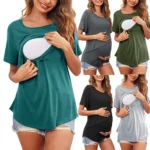
Shopping for baby and maternity wear or kids‘ clothing requires a slightly different approach. When shopping for maternity, prioritize the waist and hip measurements as they change throughout the pregnancy. Many retailers now offer ‘pre-pregnancy size’ guidance, but relying on your current measurements is always safer. For children, focus on height and weight rather than just age. Kids go through growth spurts that don’t align with standardized age sizing, so checking the height chart provided by the manufacturer is the best way to get long-lasting wear out of their clothes.
Don’t be afraid to utilize our marketplace features to help you narrow down your choices. Many of the apparel items we feature include customer reviews that mention whether an item ‘runs small’ or ‘runs large.’ These anecdotal insights, combined with your own precise measurements, act as a double-check system. If you measure a 30-inch waist and the review section suggests that a particular pair of pants fits tightly, you might decide to size up to a 31 or 32 for comfort.
The Importance of Measuring for Outerwear and Layers
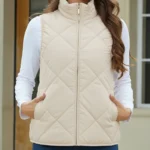
When you are shopping for heavy coats or bulky sweaters, remember that your measurements will be slightly higher because you are layering clothing underneath. If you are shopping for a winter jacket, measure yourself while wearing a thick sweater. If you measure yourself in a thin t-shirt and buy a coat that fits exactly to those numbers, you won’t have room for a warm layer underneath. This is known as ‘positive ease’ in the fashion industry, and it is essential for functional outerwear.
Conversely, for form-fitting garments like bodysuits or activewear leggings, you want the measurements to be closer to your actual skin measurements. If you are looking at compression gear, the item might even be listed as having ‘negative ease,’ meaning it is designed to be slightly smaller than your body to provide support. Knowing the purpose of the garment—whether it’s for warmth, style, or performance—will help you decide how much ‘wiggle room’ to leave in your measurements.
How to Keep Your Measurements Updated
Your body is dynamic, and your measurements can change due to diet, exercise, or simply natural fluctuations. It is a good practice to re-measure yourself every three to six months. If you are currently working on a fitness goal or are in a phase of life where your body is changing, you might find that your measurements shift more frequently. Keep a simple log on your phone with the date of your last measurement.
Finally, remember that fashion is meant to be fun and expressive. While measurements are a tool for convenience, they shouldn’t dictate your self-worth. If a piece of clothing doesn’t fit after you’ve followed all the steps, it’s a failure of the brand’s sizing consistency, not a failure of your body. Returns and exchanges are a standard part of the online shopping experience. By mastering the art of the measurement, you are simply tilting the odds in your favor, saving time, and ensuring that your closet is filled with items that make you look and feel your absolute best.
Start by taking your measurements today—you will be surprised at how much easier your next shopping experience becomes. Whether you are looking for new staples, refreshing your sleepwear collection, or picking out something special for the kids, having your numbers ready makes every transaction smoother and more successful. Happy shopping!