
































































This article was written with AI assistance and reviewed for accuracy where possible; details about unreleased or rumored products may change.
Denim is the backbone of every functional wardrobe. It is the garment that bridges the gap between rugged utility and high-fashion sensibility. Whether you are gravitating toward vintage-inspired high-waisted cuts, relaxed wide-leg silhouettes, or the timeless appeal of a slim-tapered jean, mastering the art of denim styling is a skill that pays dividends every time you get dressed. At MINIDROP, we believe that the perfect pair of jeans is more than just fabric; it is an extension of your personal aesthetic.
The beauty of denim lies in its versatility. It can be dressed down with a simple t-shirt and your favorite pair of sneakers, or dressed up with a structured blazer and polished loafers. However, the sheer volume of choices—washes, cuts, and fits—can often feel overwhelming. In this guide, we break down how to curate, style, and maintain your denim collection so you can move through your day with confidence.
The Anatomy of the Perfect Fit
Before diving into styling, we have to talk about the fit. Nothing compromises a look faster than denim that doesn’t align with your body type or your comfort level. Trends may dictate that baggy, oversized jeans are having a moment, but if that fit doesn’t make you feel like yourself, it will never look right. Start by identifying your go-to silhouette. Are you a fan of the classic straight-leg? Does your lifestyle require the movement offered by a high-stretch blend, or do you prefer the rigid, authentic feel of 100% cotton denim? Understanding your preference is the first step in styling.
For those looking to build a versatile wardrobe, we suggest starting with a ‘denim capsule.’ This includes one pair of dark-wash indigo jeans, one pair of light-wash distressed denim, and one pair of black or charcoal jeans. With these three, you have the foundation for almost any social scenario. Dark wash is inherently more formal and pairs beautifully with knitwear or a crisp button-down, while light wash is your best friend for weekend errands and outdoor adventures. Black denim remains the ultimate urban uniform, seamlessly transitioning from a daytime office look to a night out.
Mastering the High-Low Mix
One of the most effective ways to style denim is by embracing the high-low aesthetic. This is the art of pairing casual, rugged elements with sophisticated, elevated pieces. Imagine wearing your favorite pair of vintage-wash relaxed jeans with a high-end silk blouse or a tailored wool blazer. The contrast between the rough texture of the denim and the refined nature of the top creates a visual interest that feels effortless yet intentional.
When styling this look, focus on the proportions. If your jeans are wide-leg or baggy, balance them with a more fitted top or a structured jacket. Conversely, if you are wearing a slim-cut jean, you have more creative freedom to play with oversized sweaters or billowy layers on top. Accessories play a crucial role here as well; a leather belt, a well-chosen watch, or a minimalist handbag can act as the ‘bridge’ that pulls the disparate elements of your outfit together.
Denim on Denim: The Art of the Canadian Tuxedo
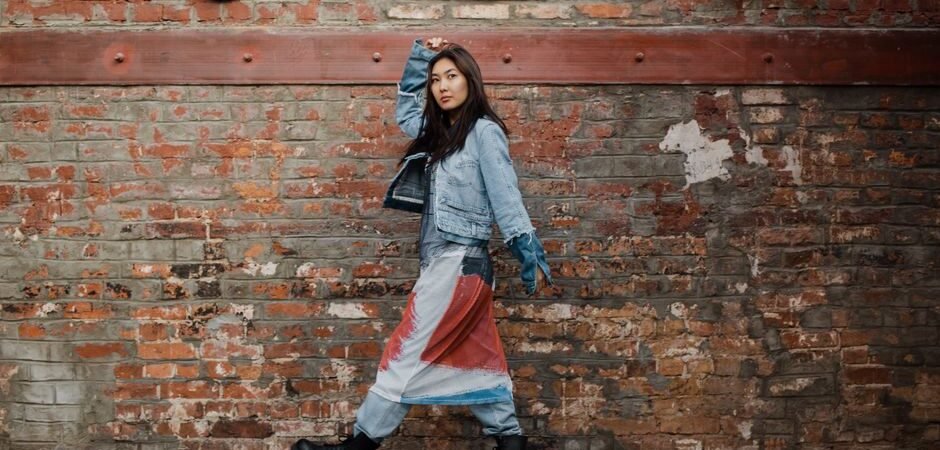
The double-denim look has long been a subject of debate, but when done right, it is undeniably chic. The secret to nailing the ‘Canadian Tuxedo’ is contrast. You rarely want to wear two pieces of denim that are the exact same wash, as this can look a bit like a uniform. Instead, aim for tonal variation. Try pairing a dark indigo denim jacket with a pair of light-wash, cropped jeans.
Texture also plays a part. You can mix a heavy, raw denim jacket with a lighter, softer pair of denim trousers. If you are worried about the look feeling too one-dimensional, use your accessories to break up the color palette. A brightly colored scarf, a statement belt, or a pair of leather boots can provide a much-needed visual interruption, ensuring your outfit looks curated rather than accidental. Remember, confidence is the final accessory; if you wear the look with conviction, it works.
Transitioning from Day to Night
The beauty of denim is its ability to shift gears without requiring a full wardrobe change. If you are heading from the office to dinner, your denim strategy should be centered on layering. A dark, clean-cut pair of straight-leg jeans is your best ally here. During the day, pair them with a clean white t-shirt and a cardigan or a blazer for a professional appearance.
When the sun sets, remove the outer layer and swap your daytime shoes for something with a bit more edge—think leather Chelsea boots or a sleek heel. Adding a piece of statement jewelry or switching to a smaller, more formal bag can instantly signal that you are off the clock. The goal is to strip away the ‘utilitarian’ elements of your daytime look and highlight the sleekness of the denim itself. Dark-wash denim is particularly effective for this, as it mimics the look of trousers while maintaining the comfort of a jean.
Seasonal Styling: Adapting to the Weather
Denim is a year-round staple, but the way you style it should shift with the seasons. In the warmer months, reach for lighter weight denim and cropped cuts that allow for breathability. Pair them with breathable linen tops or cotton tanks. If you are spending time outdoors, consider loose-fit denim that doesn’t cling to the skin, keeping you cool while providing protection against the elements.
When the temperature drops, denim becomes your primary shield against the cold. This is the time to embrace heavier, more durable fabrics. Raw denim, in particular, is excellent for colder weather as it is thicker and provides more insulation. Layer your jeans over thermal leggings if you are heading into harsh conditions, and lean into the ‘cozy’ aesthetic by pairing your favorite denim with oversized cable-knit sweaters, wool coats, and sturdy boots. The tactile contrast of thick denim against soft wool is one of the most satisfying style pairings in winter fashion.
The Role of Footwear in Denim Styling
The shoes you choose can entirely change the ‘vibe’ of your denim. A pair of boyfriend jeans looks drastically different when worn with chunky white sneakers compared to when they are paired with strappy sandals or pointed-toe heels. Sneakers provide a youthful, energetic aesthetic, while boots—whether cowboy, combat, or Chelsea—bring a sense of rugged grit.
Pay attention to the break of the jean. If your jeans are long and stack at the bottom, they will naturally pair better with boots or shoes with a bit of bulk. If you are wearing cropped jeans or a tapered cut, they are designed to show off your footwear, making them the perfect choice for showing off a great pair of loafers or minimalist heels. When in doubt, look at the hem of your jeans: if it’s raw or frayed, it calls for a more casual, relaxed shoe. If it’s a clean, hemmed edge, you have more flexibility to dress the look up.
Maintaining Your Denim Investment
Finally, we cannot talk about styling without mentioning care. The best-styled outfit in the world will suffer if the denim itself is worn out or improperly cared for. The golden rule of denim maintenance is to wash less. Denim is designed to mold to your body over time, and frequent washing breaks down the fibers and fades the color too quickly. Spot clean when possible, and if you must wash your jeans, turn them inside out and use cold water on a delicate cycle.
Air drying is always superior to machine drying, as the heat from a dryer can shrink the fabric and weaken the elastic fibers in stretch denim. By taking care of your denim, you ensure that the fit remains consistent for years. The more you wear a quality pair of jeans, the more ‘personal’ they become. They start to fade in the areas where you move the most, creating a one-of-a-kind patina that no mass-produced pair can replicate. Treat your denim well, and it will remain the most reliable piece in your wardrobe, season after season.
Accessorizing: The Finishing Touch
Once you have the jeans, the top, and the shoes locked in, the final step is accessorizing. Because denim is such a neutral canvas, it invites you to be bolder with your accessories. A leather belt is perhaps the most essential denim accessory. It defines your waist and adds a touch of polish to the outfit. Consider the color of your hardware; if your jeans have copper rivets, a belt with a brass buckle creates a cohesive, classic look.
Don’t be afraid to experiment with bags and jewelry. A minimalist outfit featuring straight-leg jeans and a white shirt is the perfect backdrop for a statement necklace or an oversized pair of earrings. In the colder months, a well-chosen beanie or a textured scarf can add layers to your outfit that make it feel complete. Ultimately, styling denim is about balance. Since denim is a textured, substantial fabric, keep your accessories focused. Pick one or two ‘statement’ items rather than cluttering the look, allowing the classic silhouette of the denim to remain the star of the show. Whether you are prepping for a weekend in the city or a quiet afternoon in the park, remember that the best outfit is the one that makes you feel capable and comfortable.
Tailoring and Alterations: The Secret to a Bespoke Look
Even the most premium denim can occasionally struggle with the “off-the-rack” reality of mass manufacturing. If you find a pair of jeans that fits your waist and hips perfectly but the length is just slightly off, or the leg opening feels a bit too wide, do not hesitate to seek out a tailor. A simple hem can transform a pair of jeans from “ill-fitting” to “custom-made.” Professionals can also adjust the waist to eliminate the dreaded gap in the back or taper the legs to create a more modern, streamlined silhouette. Treating denim as a starting point rather than a finished product is a hallmark of those who truly understand personal style.
When taking your denim to a tailor, consider the specific character of the fabric. If your jeans feature a unique factory-distressed hem, ask your tailor to perform a “re-attached hem,” which preserves that signature worn-in look while shortening the length. For raw or selvedge denim, ensure your tailor uses thread that matches the original stitching color and weight, as this detail is what maintains the authentic, high-quality aesthetic of the garment. Small, intentional modifications like these can breathe new life into a pair of jeans that might otherwise sit at the back of your closet, ensuring that every piece in your collection earns its place through daily wear.
Understanding Fabric Composition and Longevity
Beyond the cut and the color, the fiber content of your denim is the most significant factor in how the garment will behave over time. Understanding the distinction between rigid, comfort-stretch, and high-stretch denim can help you manage your expectations regarding fit retention. Rigid denim, usually 100% cotton, is prized for its durability and the unique, personal fading patterns it develops over years of wear. However, it requires a “break-in” period where the fabric softens and stretches to accommodate your specific movements. If you purchase rigid denim, it is often wise to choose a size that feels slightly snug but not restrictive, as it will inevitably give a half-size over the first few months of consistent use.
Conversely, denim blended with elastane or polyester—often labeled as “stretch” or “comfort” denim—is engineered for immediate ease of wear. These pieces are excellent for active lifestyles where movement is constant, but they are generally more susceptible to “bagging out” at the knees or waist after prolonged wear. To extend the life of stretch denim, avoid high-heat environments like tumble dryers, which degrade the synthetic elastic fibers. By matching the fabric composition to your daily activity level, you can ensure that your jeans maintain their intended silhouette for as long as possible, preventing that tired, shapeless look that often occurs with lower-quality synthetic blends.
The Psychology of the ‘Uniform’
There is a distinct power in establishing a “denim uniform”—a signature combination that you know works, regardless of the pressure of the morning rush. For many, this might be a specific high-rise straight leg paired with a tucked-in oversized tee and a blazer; for others, it could be a cropped flare with a fitted turtleneck. When you identify the one or two denim outfits that make you feel the most capable, you reduce the decision fatigue that often leads to wardrobe dissatisfaction. A uniform isn’t about being repetitive; it’s about having a reliable baseline that you can then elevate with seasonal layers or different footwear.
Curating this uniform starts with auditing what you actually reach for on your busiest days. If you find yourself constantly adjusting a specific pair of jeans or feeling uncomfortable in a particular rise, those pieces likely don’t belong in your core rotation. Move them to your “occasion” pile or consider passing them on. A truly functional wardrobe is not built on the volume of denim you own, but on the consistency of the pieces you feel compelled to wear. By narrowing your focus to the cuts and washes that align with your daily rhythm, you create a more intentional collection that simplifies your life while keeping your personal style sharp and recognizable.