This article was written with AI assistance and reviewed for accuracy where possible; details about unreleased or rumored products may change.
If you have ever felt like your face is having an identity crisis, you are not alone. Combination skin is perhaps the most common skin type, yet it is often the most misunderstood. It is the complex dance of dealing with an oily T-zone—that forehead, nose, and chin area—while simultaneously contending with dry or flaky patches on your cheeks and jawline. It requires a nuanced approach that avoids over-drying the oily spots while providing enough hydration to the dry ones. At MINIDROP, we believe that understanding your skin’s unique rhythm is the first step toward achieving that elusive, healthy glow.
Understanding the Physiology of Combination Skin
Combination skin is defined by a variation in sebum production across different areas of the face. Your T-zone is rich in sebaceous glands, which produce oil to keep skin supple. In combination skin, these glands are hyperactive in the center of the face, leading to shine and potential congestion. Conversely, the cheeks often lack the necessary lipids to retain moisture, leading to tightness, sensitivity, or even dehydration. The secret to managing this is not to treat the face as a single entity, but as a map that requires customized care for different regions.
Many people make the mistake of using harsh, astringent products all over their face to combat the oiliness. While this might temporarily mattify the nose, it strips the delicate skin on your cheeks, which can lead to a compromised barrier. A compromised barrier then signals the skin to produce even more oil to compensate for the dryness, creating a frustrating cycle. The goal of a balanced routine is equilibrium, not eradication.
The Essential Cleansing Ritual
The foundation of any skincare regimen is cleansing, and for combination skin, the choice of cleanser is paramount. You want a formula that removes impurities, excess sebum, and environmental pollutants without leaving your skin feeling ‘squeaky clean.’ If your skin feels tight after washing, your cleanser is likely too harsh. Instead, opt for a gentle, pH-balanced foaming cleanser or a gel-based formula that is non-comedogenic.
If you wear heavy makeup or SPF, consider double cleansing. Start with a cleansing oil or balm to break down oil-based debris, followed by a water-based cleanser. This ensures that you aren’t leaving behind residues that could clog your T-zone while ensuring you aren’t over-scrubbing your dry cheeks. Consistency here is key. You aren’t just washing your face; you are preparing the canvas for the hydration and treatment steps that follow.
Strategic Exfoliation for Balanced Texture
Exfoliation is a game-changer, but it must be approached with caution. Mechanical scrubs—the kind with grainy beads—can often be too aggressive for the sensitive dry patches on your cheeks. Chemical exfoliants, specifically Beta Hydroxy Acids (BHAs) like salicylic acid, are often better suited for the T-zone because they are oil-soluble and can penetrate deep into the pores to dissolve excess oil and dead skin cells.
For the rest of the face, you might consider Alpha Hydroxy Acids (AHAs) like lactic or glycolic acid in lower concentrations. These help to gently buff away dry, flaky skin on the cheeks, promoting cell turnover and revealing a brighter complexion. You do not necessarily need to apply these to your entire face every night. Many people find success by ‘spot-treating’ their T-zone with a BHA-infused toner while reserving a hydrating, milky serum for the rest of their face. Always remember to use sunscreen during the day when using chemical exfoliants, as they can increase your skin’s sensitivity to UV light.
Hydration: The Art of Layering
The most common misconception about combination skin is that it doesn’t need moisturizer. Nothing could be further from the truth. Even the oiliest of skin types needs hydration; the difference lies in the texture of the product you choose. Look for lightweight, oil-free, or gel-cream moisturizers. These provide a surge of water-based hydration—often through ingredients like hyaluronic acid or glycerin—without adding heavy oils that could overwhelm the T-zone.
When applying your moisturizer, use a ‘damp application’ method. Apply your product while your skin is still slightly moist from cleansing. This locks in that extra hydration. If your cheeks feel particularly parched throughout the day, you can layer a thicker, ceramide-rich cream specifically on those areas after your light moisturizer has absorbed. This targeted approach ensures that every inch of your face is getting exactly what it needs to thrive.
The Role of Serum and Targeted Treatments
Serums are the heavy hitters of your routine. For combination skin, look for ingredients that serve double duty. Niacinamide is a hero ingredient for this skin type; it helps regulate sebum production in oily areas while simultaneously strengthening the skin barrier and soothing redness in dry areas. It is truly the ultimate balancer.
If you struggle with occasional breakouts, a spot treatment containing tea tree oil or benzoyl peroxide can be applied directly to the affected pimple, avoiding the surrounding healthy skin. Conversely, if your cheeks are prone to sensitivity, a serum containing centella asiatica or aloe vera can provide a cooling, anti-inflammatory effect. By keeping your routine modular, you can adjust your products based on the current state of your skin, which can change due to weather, stress, or hormonal fluctuations.
Sun Protection and Lifestyle Factors
Sunscreen is non-negotiable, but finding one that doesn’t exacerbate your T-zone oiliness can be a challenge. Mineral sunscreens containing zinc oxide are often a great choice for combination skin, as they tend to be less greasy than chemical filters and have a slight mattifying effect. Look for ‘dry-touch’ or ‘matte-finish’ labels.
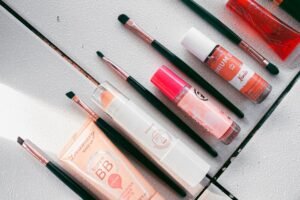
Beyond products, lifestyle factors play a massive role in skin health. Stress, diet, and sleep patterns all influence oil production and barrier integrity. Staying hydrated by drinking plenty of water is essential for your skin’s overall moisture levels. Additionally, keep an eye on your pillowcases and makeup brushes. Bacteria can accumulate quickly, and since combination skin is often prone to congestion in the T-zone, keeping your tools clean is a vital, often overlooked step in preventing breakouts.
Embracing the Seasonal Pivot
Your skin is not static. A routine that works perfectly in the humid summer months might leave your skin feeling tight and dull in the middle of winter. As the seasons change, so should your product lineup. In the summer, you may find that you can skip a heavy night cream entirely, relying on a hydrating toner and a light gel. In the winter, you might need to introduce a facial oil—applied sparingly to the cheeks—to act as a sealant against the drying effects of indoor heating and cold winds.
Think of your skincare routine as a wardrobe. Just as you switch from light linen shirts to cozy hoodies and sweaters as the temperature drops, you should adjust the weight and intensity of your skincare products. At MINIDROP, we curate a wide range of essentials that allow you to build a versatile ‘skincare closet.’ By listening to your skin’s feedback and being willing to make small adjustments, you can maintain a balanced, healthy, and radiant complexion year-round.
Final Thoughts on Consistency and Patience
Achieving balance with combination skin is a marathon, not a sprint. It is tempting to jump from one trending product to the next, hoping for an overnight miracle. However, the skin needs time to adjust to new ingredients. Give a new routine at least four to six weeks before deciding if it is working for you. Keep a simple journal if you find yourself struggling to track which products are helping and which are causing irritation.
Ultimately, the goal is to feel comfortable in your own skin. Whether you are prepping for a big event or simply want to feel confident in your natural complexion, the right routine provides a sense of calm and control. Remember, your skin is a dynamic, living organ—treat it with kindness, feed it the right ingredients, and you will be rewarded with a healthy, balanced glow that lasts.
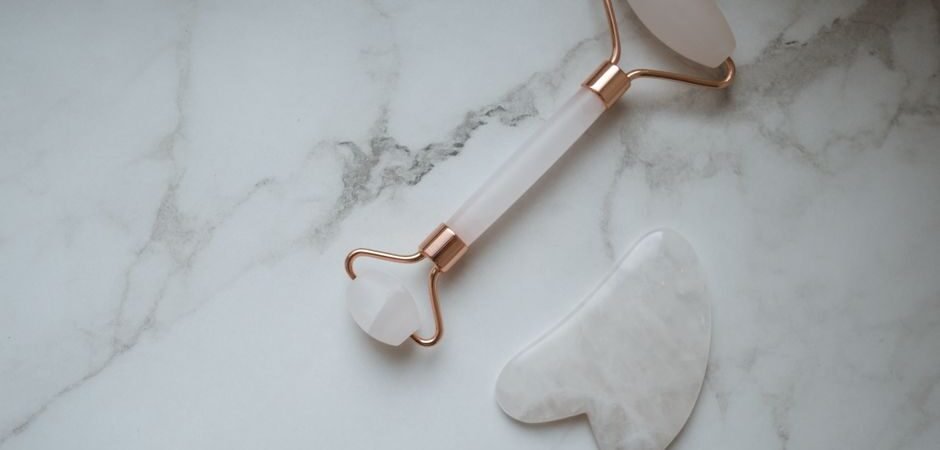
As you explore new products to refine your routine, consider how they fit into your overall lifestyle. Whether you are looking for a new moisturizer to bridge the gap between dry and oily, or you are refreshing your collection of beauty tools to ensure better hygiene, taking a thoughtful approach to your purchases will always pay off. Your skin will thank you for the extra attention to detail, and you’ll find that the ‘struggle’ of combination skin becomes just another part of a manageable, well-oiled routine.
Navigating the World of Cosmetic Ingredients
As you delve deeper into curating your collection, you will likely encounter an array of active ingredients that promise to solve all your skin woes. For combination skin, the key is to look for ingredients that offer secondary benefits. For instance, while you may be shopping for a product to address oily pores, consider looking for one that also includes humectants like panthenol or hyaluronic acid. These additions help ensure that while the sebum-regulating actives do their work, the skin’s moisture levels remain stable. Being savvy about ingredient labels allows you to avoid products that might over-stimulate your sebaceous glands while providing the necessary support for your more delicate, drier zones.
The Importance of Barrier Integrity
Perhaps the most critical aspect of managing combination skin is maintaining a healthy, resilient moisture barrier. When the barrier is compromised, it loses its ability to hold onto water, leading to a confusing scenario where your skin feels tight and dry but appears oily on the surface—a phenomenon often mistaken for naturally oily skin. To support this, look for products that feature ceramides, fatty acids, or cholesterol. These lipid-replenishing ingredients act like mortar between your skin cells, ensuring that the water you apply stays locked inside. By prioritizing barrier health, you effectively reduce the “reactive” nature of your combination skin, making it less prone to sudden breakouts or patches of irritation that often arise when the skin is over-stripped or under-nourished.
Refining Your Routine Through Targeted Application
Once you have identified the right ingredients, the method of application becomes your most powerful tool. Rather than applying a single cream to your entire face, consider the technique of “multi-masking” or “zoned layering.” During your evening routine, apply a clay-based mask only to your T-zone to draw out impurities and absorb excess oil, while simultaneously applying a deeply hydrating, cream-based mask to your cheeks and jawline. This prevents the drying agents in the clay from exacerbating any existing tightness in the drier regions of your face. By treating your skin as a topography rather than a monolith, you ensure that every zone receives the specific care it requires without creating unintended imbalances elsewhere.
The Role of Microbiome Balance in Skin Health
Increasingly, dermatological research is highlighting the importance of the skin microbiome—the diverse ecosystem of bacteria, fungi, and viruses that live on the surface of your skin. For those with combination skin, an imbalanced microbiome can contribute to localized inflammation and unpredictable oil production. To support a healthy skin flora, look for products formulated with prebiotics or postbiotics, such as fermented extracts or lactobacillus. These ingredients help maintain the acidic pH of your skin, which acts as a protective shield against the harmful bacteria that thrive in oily pores. By nurturing a balanced microbiome, you can often stabilize your skin’s behavior, making your T-zone less prone to congestion and your cheeks less susceptible to the sensitivity that often comes from a disrupted protective layer.
The Impact of Environmental Stressors on Combination Skin
Beyond your internal biology, your environment acts as a constant variable in the equation of skin health. Factors like air conditioning, forced-air heating, and high-pollution urban settings can drastically alter how your skin behaves throughout the day. In environments with low humidity, the moisture on your cheeks evaporates more rapidly, potentially triggering a compensatory surge in oil production across your T-zone. To mitigate this, many find success in incorporating an antioxidant-rich mist or a lightweight facial essence into their midday routine. These products provide a quick, non-heavy hydration boost that replenishes moisture without disrupting your makeup or adding the weight of a traditional cream, effectively acting as a buffer against environmental dehydration.
Understanding the Subtle Signs of Over-Treatment
One of the most common pitfalls for those managing combination skin is the tendency to over-treat. Because the T-zone can be persistent in its oiliness, there is a temptation to increase the frequency of chemical peels, use stronger concentrations of active ingredients, or combine multiple potent serums in a single sitting. However, this “more is better” mindset often leads to a state of reactive skin, where the barrier becomes so fragile that it loses its ability to regulate itself entirely. If you notice your skin becoming suddenly sensitive to products that previously caused no issues, or if you see a localized redness that doesn’t subside after your morning routine, it is a signal to pull back. Simplifying your routine to a basic, gentle cleanser and a soothing moisturizer for several days can help your skin reset. When you reintroduce your active treatments, do so one at a time, allowing your skin to acclimate to each product before layering on more complexity.